

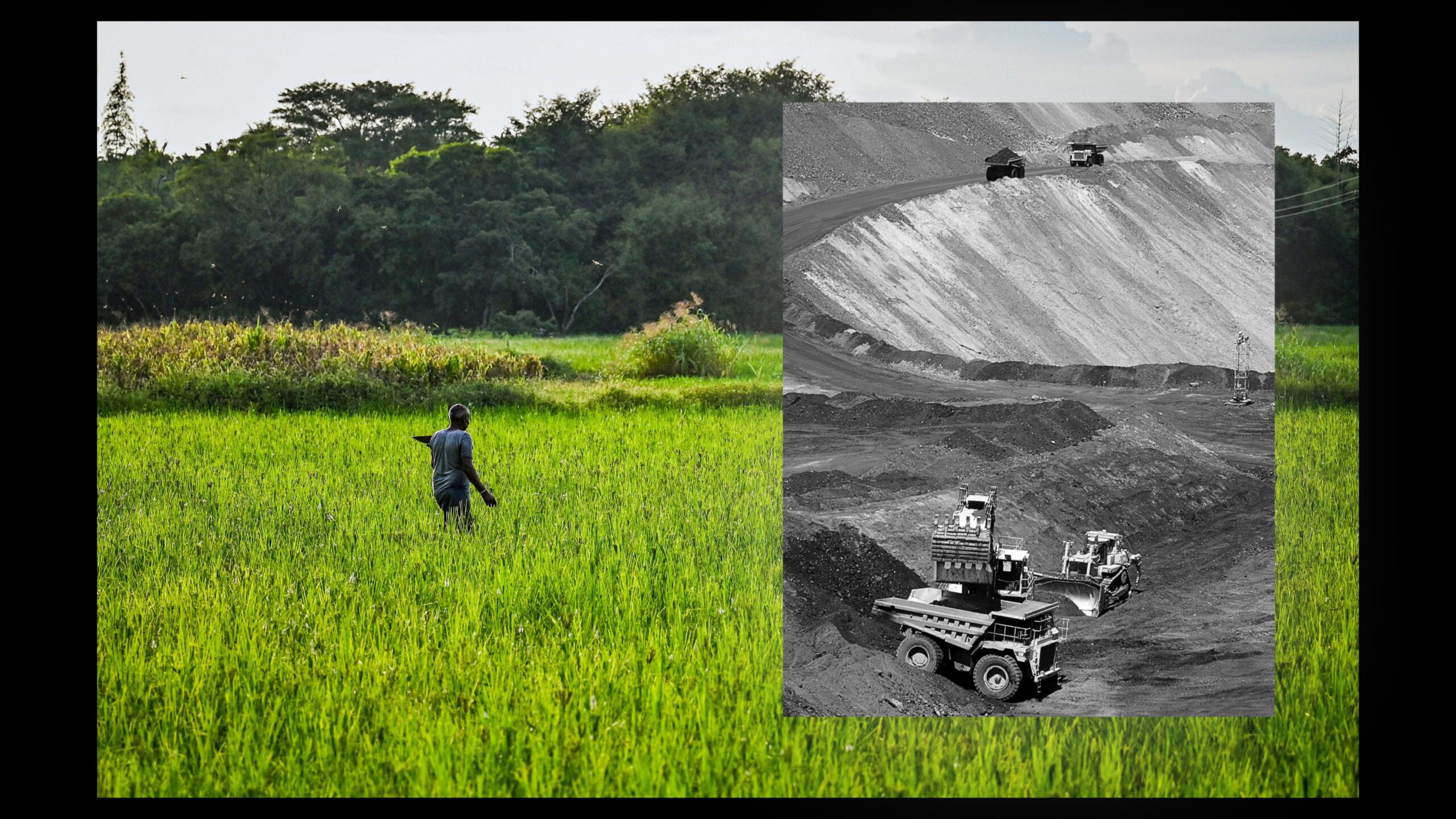
In this way, phosphorus itself is a paradox. A fertilizer and an herbicide, it enables both life and death. The distinction between those purposes is chemical: how many atoms are bonded together, and what other elements are bonded to them. When phosphorus burns, it leaves behind a fertilizer. Without that fertilizer, no living being could exist.
Now, the war in Iran is bringing this broader paradox into sharp focus.
Glyphosate, made of elemental phosphorus and sold as Roundup, is widely believed to have carcinogenic effects, resulting in mounting liabilities for the company. In tough moments such as these, agribusinesses like Bayer have long turned to the U.S. government for validation and institutional support.
But elemental phosphorus, as the executive order noted, can also be used as a weapon of war. Ten days after the order was made, the U.S. and Israel jointly attacked Iran. In early March, as the conflict widened, evidence emerged that the Israeli military had fired white phosphorus munitions into residential areas of Lebanon. This was notable because, if true, it violated international law.
Read the full article here
