

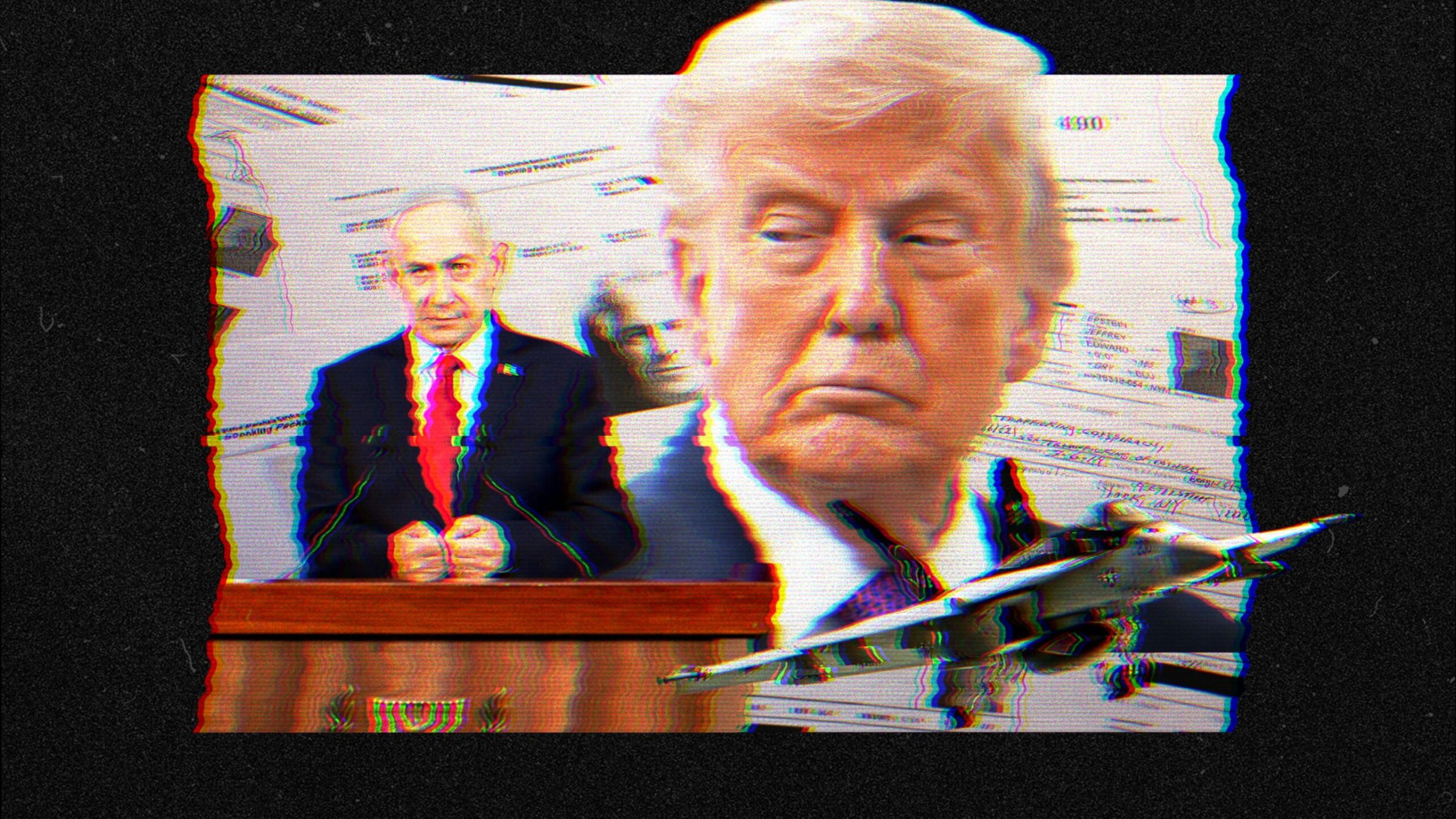
As propaganda theorist Jacques Ellul argued in the early 1960s, propaganda evolves with the communication systems that carry it. In a social media environment shaped by algorithms, virality, and now generative AI, propaganda increasingly takes the form not of doctrine, nor even of messaging optimized to persuade, but as content made to travel.
State-run accounts can generate an endless stream of Lego animation, or even deepfaked battle footage, for as long as audiences appear interested in engaging with it. Copycat accounts—some state-linked, others simply chasing revenue or clout—can flood the zone with variants. That blurs attribution and complicates moderation, forcing platforms to make difficult and increasingly opaque judgments about accounts like Explosive News. What counts as state propaganda, what counts as coordinated manipulation, and what remains in bounds?
When the topic of propaganda is raised, the question that most often follows relates to persuasion: Do these videos actually change minds? Sometimes they may. The Iranian LEGO videos are clearly designed to undermine support for the war.
Read the full article here
