

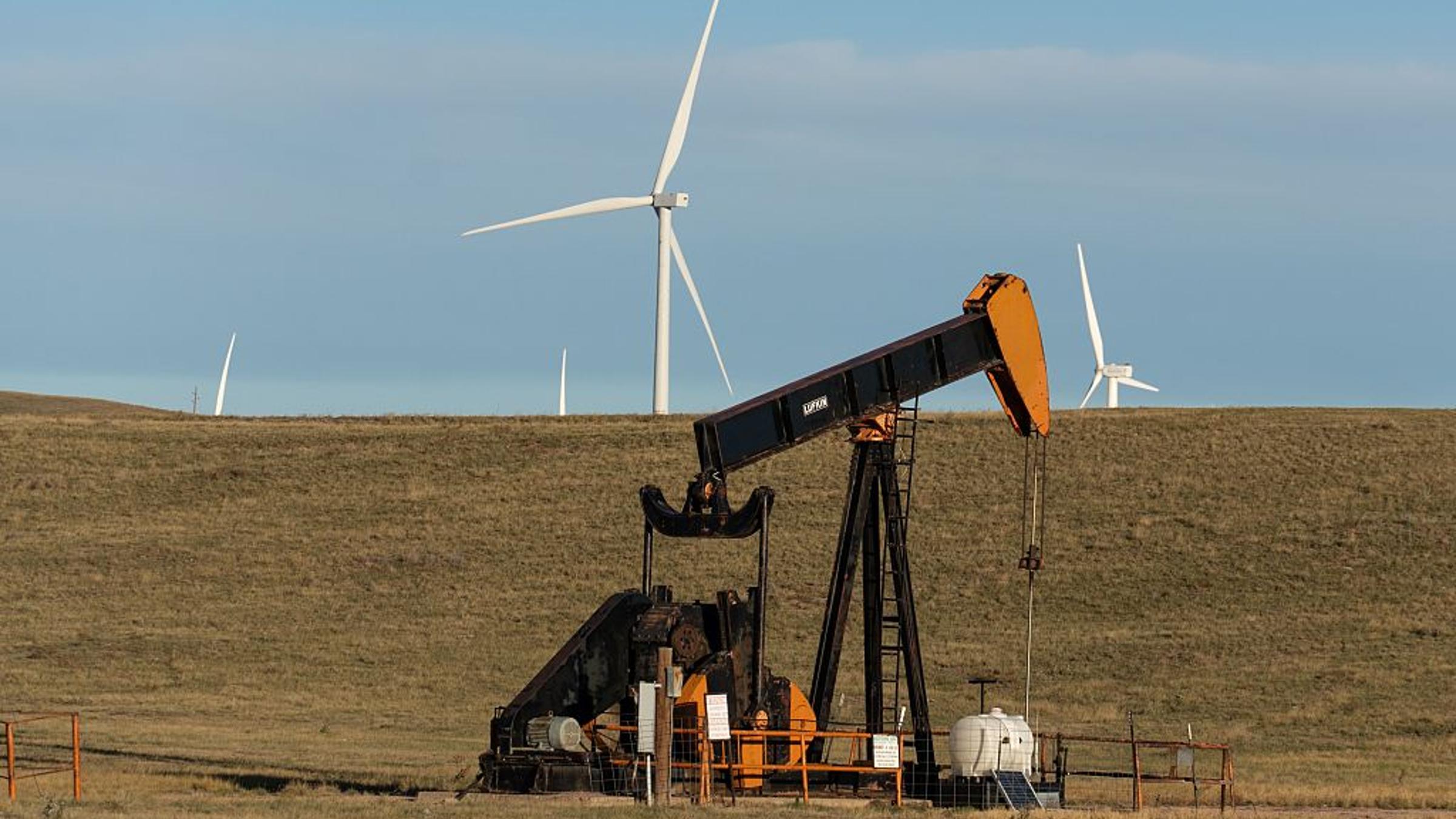
In the scheme of the global decarbonization conversation, 1% obviously isn’t anything transformational. But the technology suite available today is dramatically different than in past crises. Renewable energy can be deployed quickly at relatively low costs. Efficiency approaches—enabled by technology—can do more to cut energy use, more quickly than ever before. And years of research and development work have made some game-changing approaches commercial, from sustainable aviation fuel to next generation battery technologies, if not yet widely adopted.
The picture that emerges is a complicated one. To expect a rapid change of direction without policy intervention would be overly optimistic. But the cost and volatility of energy at this moment is yet another finger on the scale in favor of new approaches.
And yet, despite all the challenges, firms that take a forward-looking perspective can position themselves well. At IKEA nearly a decade ago, then-CEO Jesper Brodin launched what would become $5 billion in renewable energy investments. At the time it was a bold bet; today, it’s insulating the company from price fluctuations. “If you want all the answers,” he says, “you might actually miss the train.”
Read the full article here
