

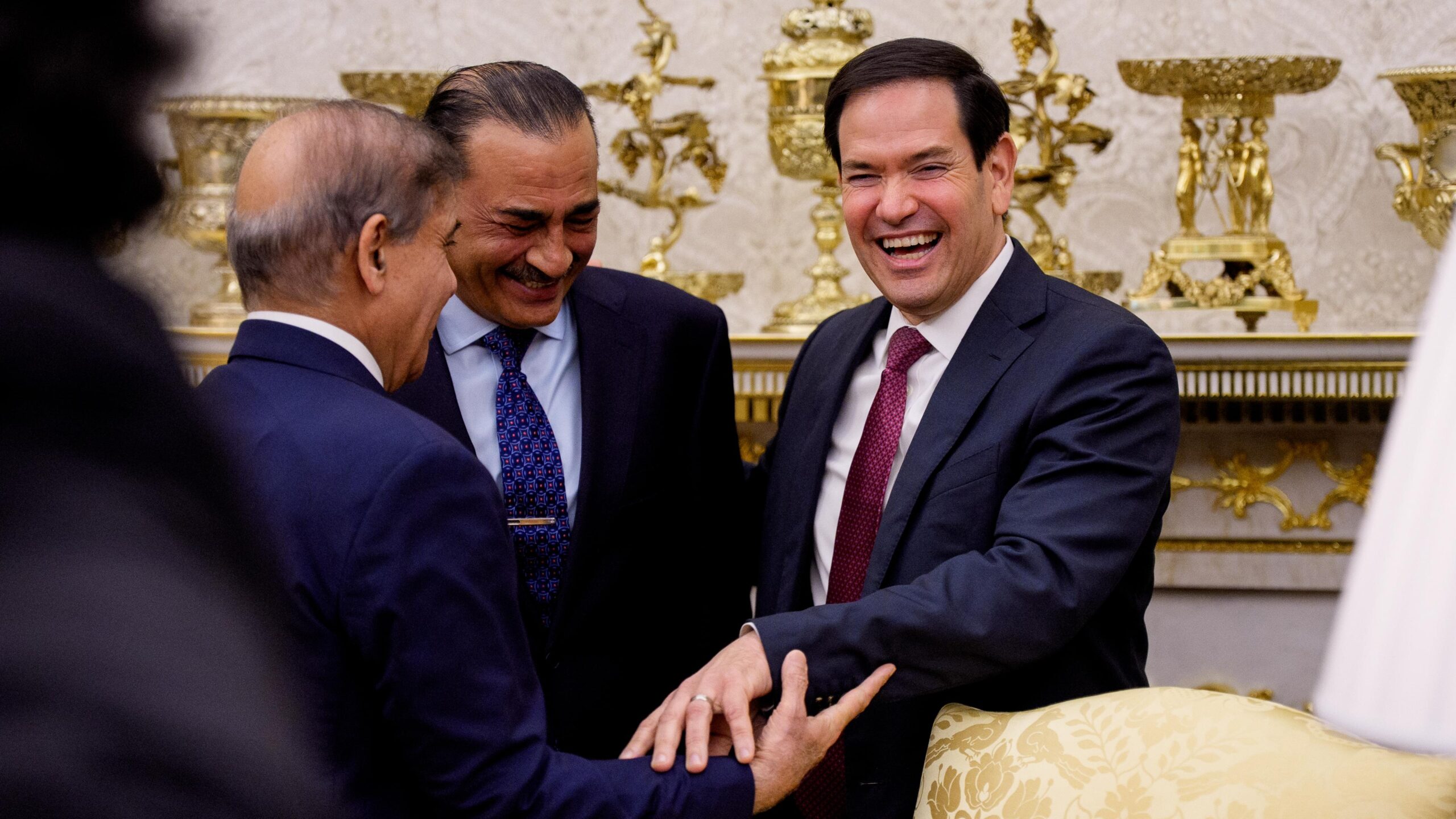
Since Pakistan does not have diplomatic relations with Israel, “there are also limits on its mediation efforts,” says Chietigj Bajpaee, a senior research fellow for South Asia at Chatham House. “So it has a somewhat awkward position in the Middle East.”
Indeed, while Pakistan has a history of serving as mediator—helping facilitate the withdrawal of Soviet troops from Afghanistan and Nixon’s rapprochement between Beijing and Washington—that was decades ago and recent experience is scant. Compounding matters, this lack of expertise is mirrored in both visiting negotiation teams: Trump has fired the vast majority of his Middle Eastern experts, while dozens of Iran’s top officials have been slain in the conflict. Munter expects both sides to come to negotiations with maximal demands, meaning it will fall to the Pakistanis to referee and guide both sides towards an acceptable middle ground.
“It’s going to be very public. It’s going to be probably very belligerent, and both sides are going to be making very large claims that make coming to a real, workable, long-term deal very hard,” says Munter. “The Iranians may be very satisfied to string this out for a very long time. The longer the world economy suffers, or is at least uncertain about the outcome, the more it plays into their hands. Whereas Trump would likely want an immediate deal.”
Read the full article here
