

Today, reducing the dose is the only way we know how to address this. But when we reduce the dose, the efficacy also decreases, increasing the chances of the cancer coming back. Often, when cancer returns, it has time to mutate and develop resistance to the drugs.
In lung cancer, the most deadly form that accounts for 1.8 million deaths globally every year, we have made progress and nearly doubled the 5-year survival rate in the past two decades. However, that still means that around 70% of diagnosed patients will die in the next 5 years.
How AI-driven cancer bioengineering works
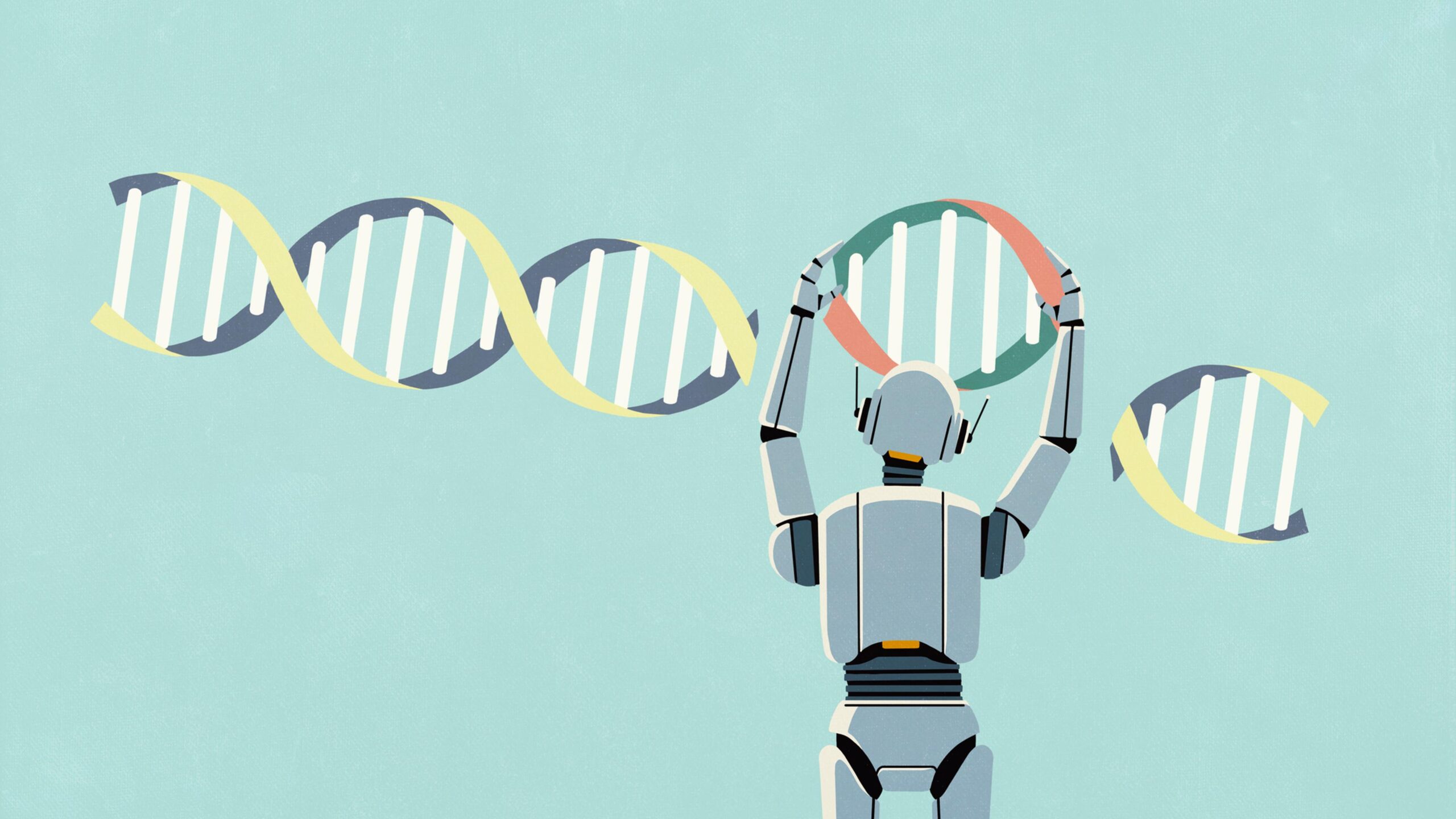
Artificial intelligence is far more consequential than just clever chatbots. While AI helping radiologists read scans faster or algorithms combing drug databases for repurposing candidates are a good start, we need to play a different game entirely.
The analogy researchers are beginning to use is that this AI approach is to DNA and cancer biology what AlphaFold has become to protein science. AlphaFold didn’t discover proteins; it decoded the rules governing how they fold, making it possible to reason about protein structure systematically for the first time.
Read the full article here
