

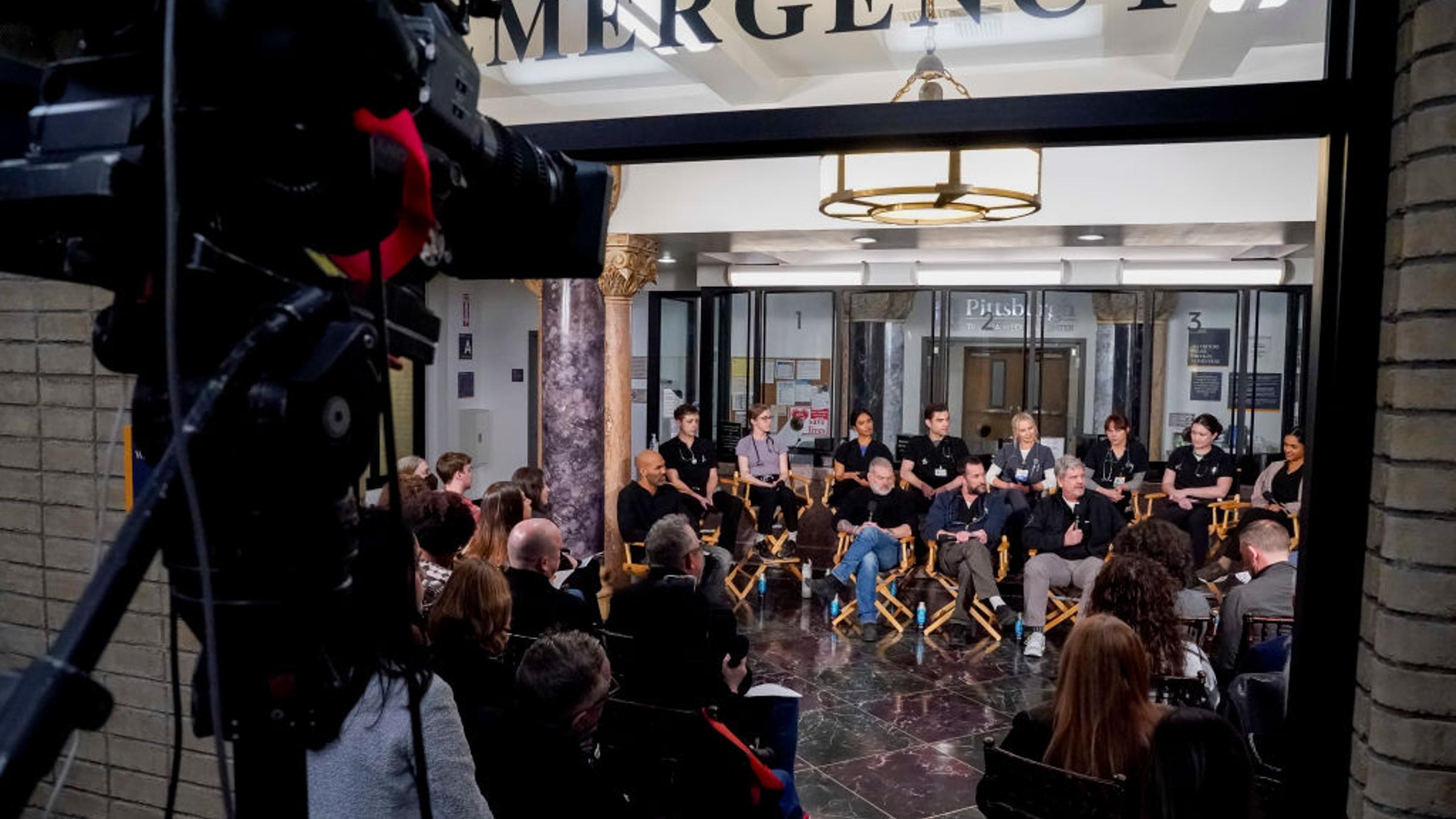
In The Pitt, Dr. Robby tells a resident to put up “a force field.” But force fields don’t heal anything. They add cost, trapping the very things that need to be processed.
In medicine, we’re taught how to deliver devastating news to patients and families, but never how to handle that tragedy in a way that doesn’t harm us. We train high performers across industries, how to perform under pressure. But we don’t teach them how to recover from it.
After navigating my own burnout, I became focused on a single question: How do we actually help high performers recover?
I’ve found that burnout recovery requires skills, not just rest or self-care slogans. Specifically, there are three skills that address the types of exhaustion burnout creates: self-stewardship, emotional processing, and a sense of purpose.
Self-stewardship
Self-stewardship means learning to proactively manage your energy and physiology. This is not about bubble baths or spa days. High performers routinely override their physiologic need for sleep, hydration, nutrition, movement, sunlight, and connection. We treat these as optional. They aren’t.
Read the full article here
