

Concerns with mainstream AI platforms
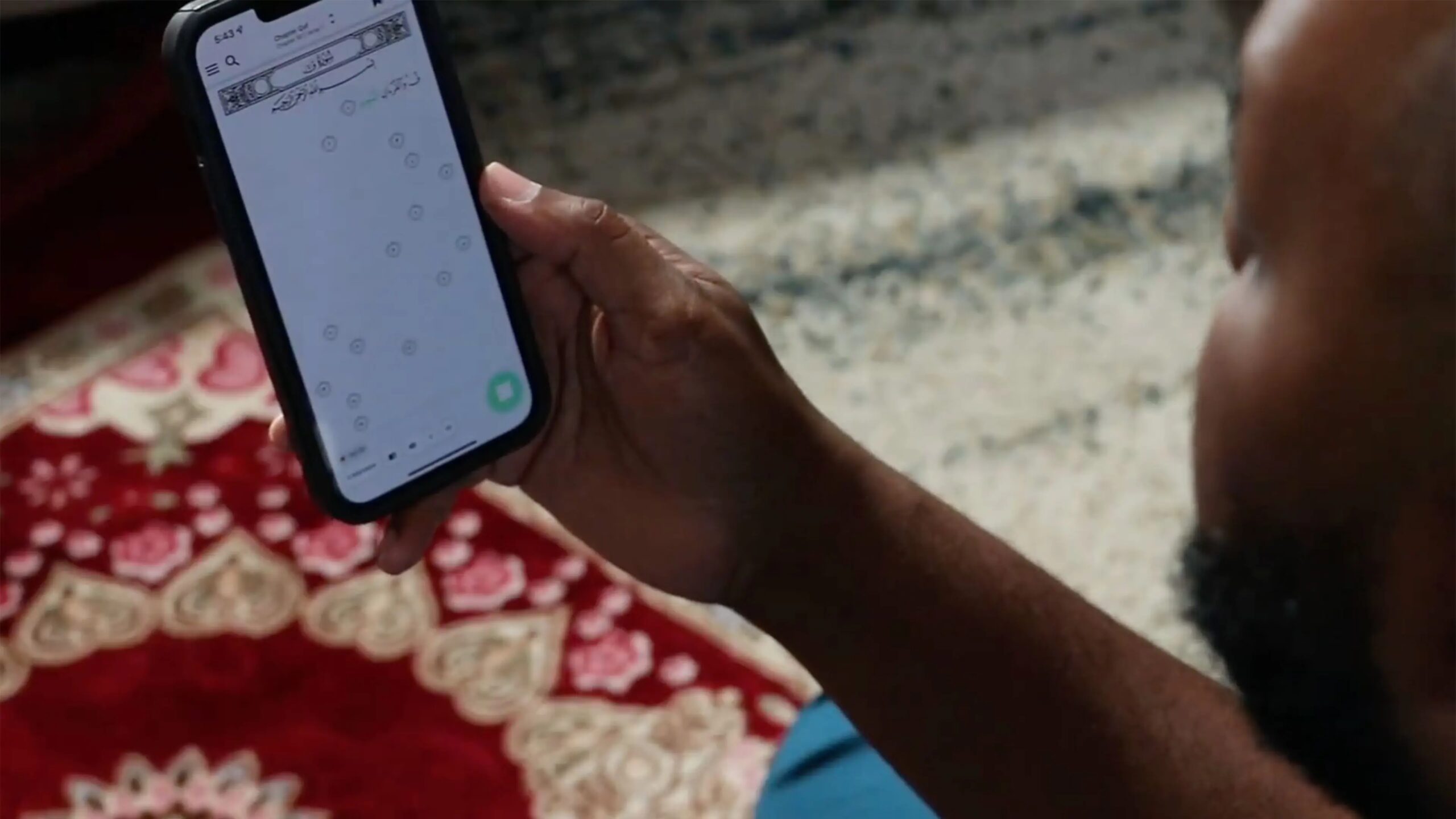
Kadous has reservations about creating certain AI tools for Muslims. Still, he believes Muslims need alternatives of their own, especially as many already seek advice from mainstream AI platforms like ChatGPT and Claude—and those platforms have a mixed history of accurately conveying Islamic ideals. Kadous says that a year ago, ChatGPT was telling Muslims they needed to wash their knees before praying, which is not part of the Islamic wudu cleansing practice required before each prayer.
He adds that major chatbots like ChatGPT or Claude reflect the values of their western builders, as much as they might strive for neutrality. “It’s very Western focused, it’s very individually focused, it doesn’t talk about community at all,” he says. “If we’re not careful, AI will move us towards a more insular world where each of us is inside our own bubble.”
Other Muslims have had negative experiences with asking ChatGPT faith-based questions, including Aaminah Basent, a 26-year-old who spoke to TIME under a pseudonym due to privacy concerns. When she moved from the Muslim enclave of Michigan’s Detroit Metro area to Santa Barbara, Calif. in 2025, she felt like the population there was staring at and judging her for wearing a hijab. “It did start to weigh on me a lot,” she says, “because you can feel when you’re constantly in the center of attention.”
Read the full article here
