

“We were talking with Director Nesvik,” says Matt James, Colossal’s chief animal officer, “and initially, in a very government way, they said, ‘What if we did 100 species?’ In our Colossal minds we said, ‘We need to think bigger. Let’s just say, aspirationally, we’re going to go for every species on the list.’”
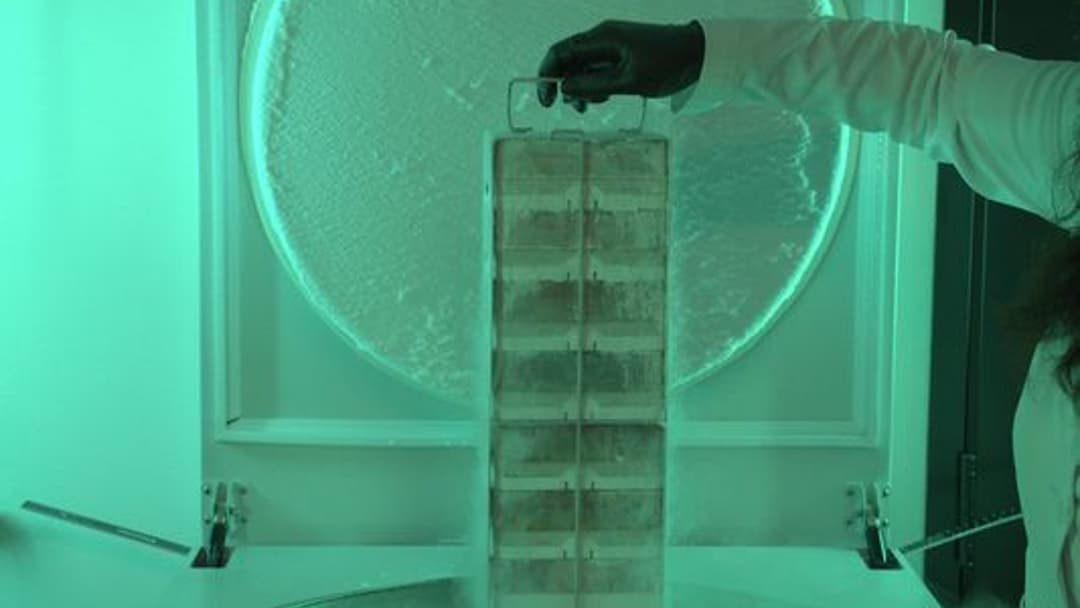
That’s not easy. For one thing, there’s the matter of collecting samples—no small thing when species are endangered in the first place and must be handled in as noninvasive a way as possible. Blood draws and skin biopsies are pretty much the limit of what Colossal scientists can do in the field. That’s fine, but it constrains the kinds of cells available for collection. Ideally, organ cells and gametes—egg and sperm—would be gathered too. Colossal thus stays alert for the remains of endangered species found in the wild and deaths in zoos willing to work with the company.
Read the full article here
