

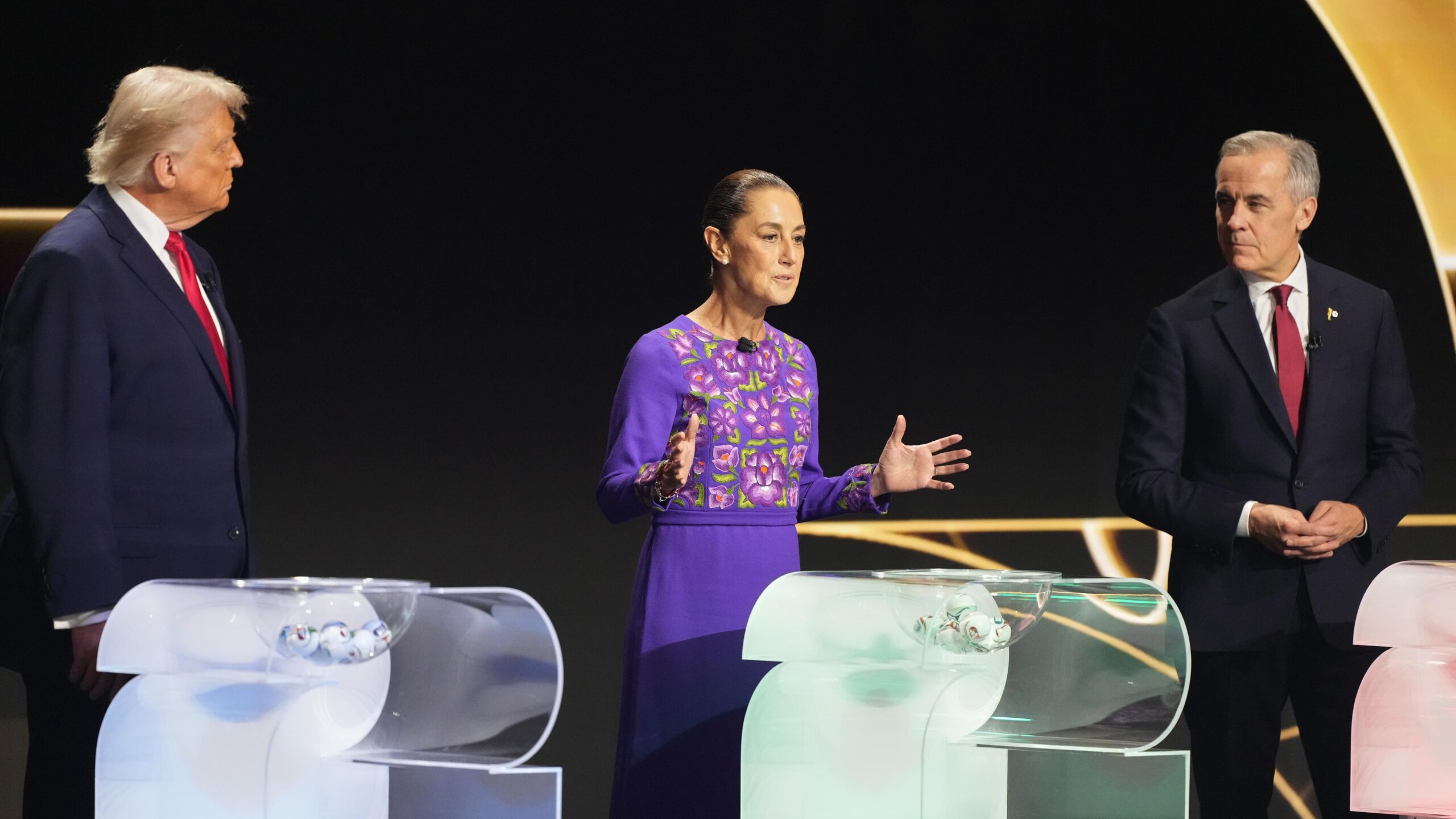
But the move marks a striking reversal for a President who once made the agreement a centerpiece of his economic agenda, and it raises new questions about the future of a trading bloc that supports millions of jobs and underpins industries ranging from automobiles to agriculture.
Trade experts tell TIME that the move could carry profound long-term consequences, creating the kind of uncertainty that discourages investment, complicates supply chains and, over time, raises costs for consumers whose cars, groceries, and household goods depend on tightly interconnected North American production networks.
“The practical impact immediately is very little,” says Josh Lipsky, chair of international economics at the Atlantic Council. “The truth, however, is that it creates uncertainty over the long-term viability of USMCA.”
Under the agreement’s terms, the three countries had until July 1 to agree to extend the pact for another 16 years. Canada and Mexico favored doing so, but the United States did not. A senior U.S. official says that Washington wants to address what it views as shortcomings in the deal, particularly America’s trade deficits with its neighbors and market access opportunities in areas like dairy and corn.
Read the full article here
