

What is Ceuta?
The city of Ceuta, a peninsular region covering 19.9 sq. km (7.7 sq. mi) on Africa’s northern coast, is one of two Spanish exclaves on the continent, along with Melilla, which is about 220 km (140 mi) southeast. The two Spanish autonomous cities represent the European Union’s only land borders with Africa. Spain has possessed Ceuta, which is separated from mainland Spain by the Strait of Gibraltar, since 1580.
Ceuta has a population of more than 83,000, a mix of Christians and Muslims, including residents and day workers from Morocco and Spain. Ceuta’s population has generally lived harmoniously.
But Morocco, which largely surrounds the two exclaves, still treats them as occupied lands and challenges Spain’s sovereignty, citing history dating back to the Islamic conquests during the 8th century.
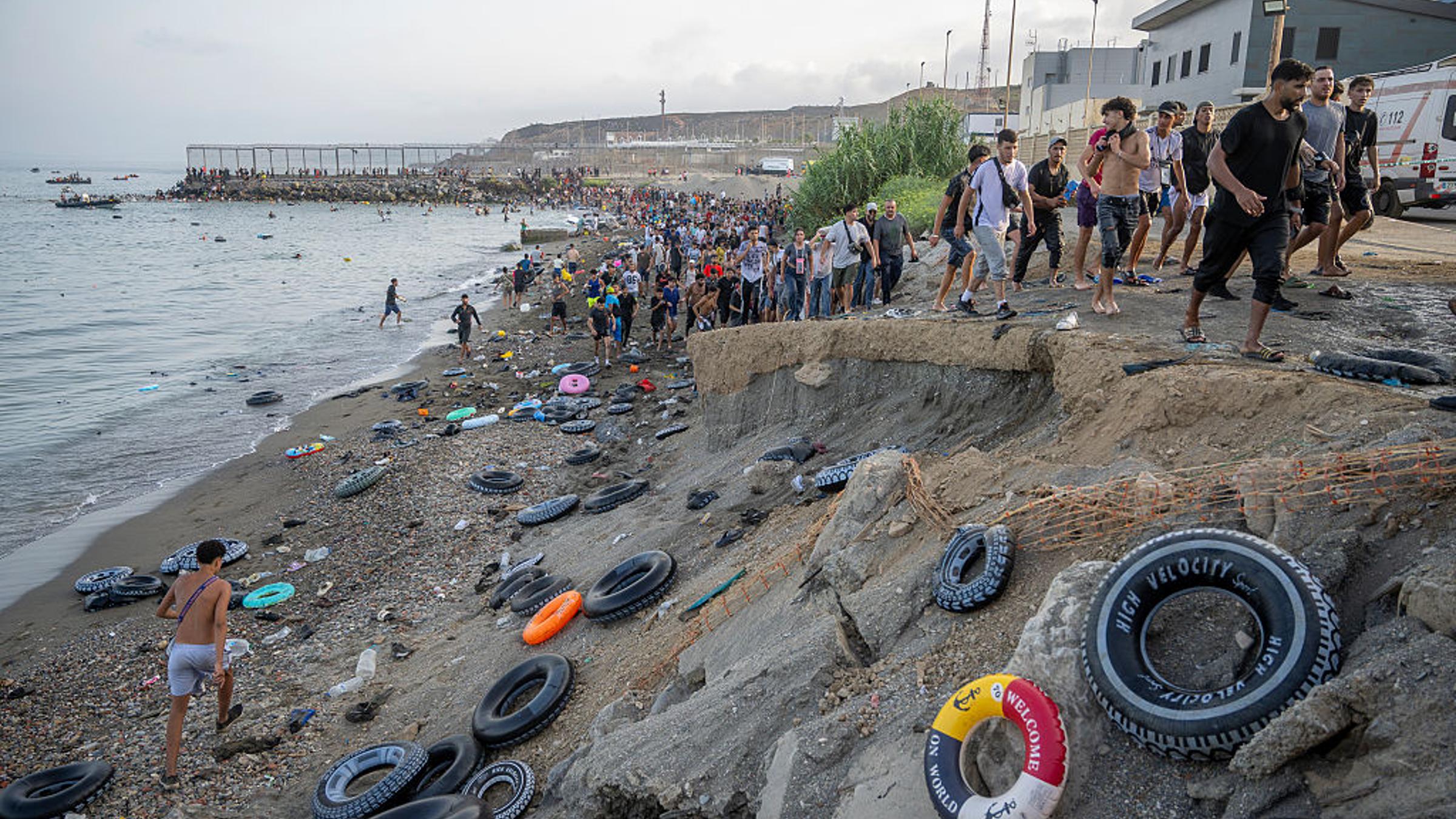
Over the years, Rabat, the political seat of the African nation, has triggered diplomatic incidents as part of the dispute. In 2002, Morocco and Spain had a standoff after both sent forces to a small uninhabited island off Ceuta. And in May 2021, amid a deepening diplomatic spat over the disputed Western Sahara region, the Moroccan government loosened its border controls, resulting in nearly 8,000 people from Morocco and sub-Saharan countries pouring into Ceuta in just two days. Some of the migrants eventually returned, but the diplomatic rupture was only repaired when Spain backed Morocco’s autonomy plan for Western Sahara in 2022.
Read the full article here
