

Australia, New Zealand, Japan, South Korea, and the U.K. also use both electronic travel records and biometric checks at passport control.
But the EES is unusual in its scale. The system shares its records across 29 European countries. A traveler who enters through France and leaves through Italy, for example, has both movements recorded in one system.
What’s with the hold up?
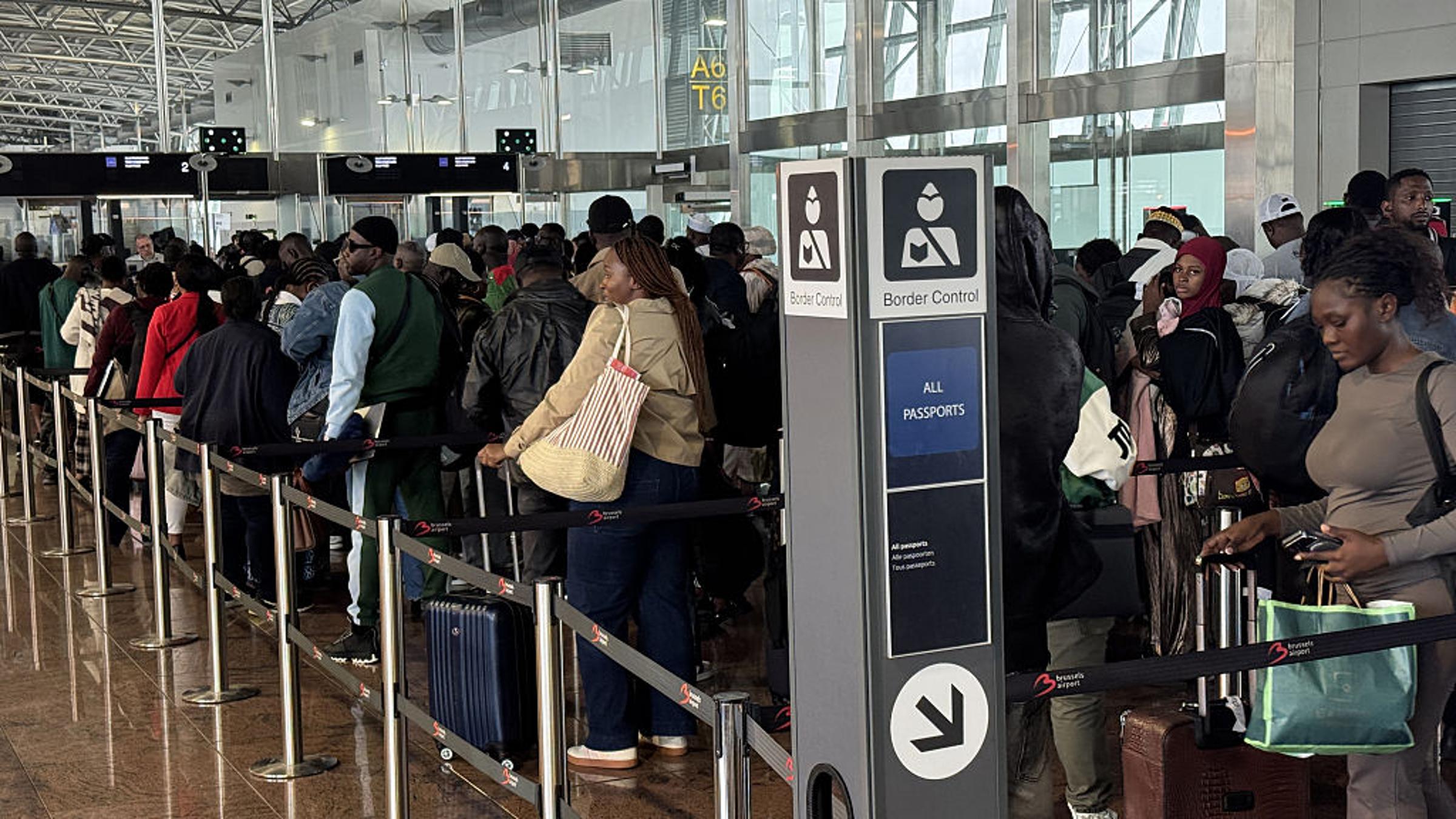
Despite its goal of making border control more efficient, the initial rollout of the new system has led to delays at a number of European airports.
Days after the full implementation of the EES in April, airport lobby ACI Europe told Politico that queues at airports in 15 countries averaged two to three hours or longer during peak periods. As travel to Europe has increased over the summer months, travelers have seen persistent and at times worsened delays in many of the most heavily touristed countries. In an open letter published July 1, ACI Europe and two other associations said waiting times reached five hours during peak periods. Some airlines and passengers have even reported missed flights as a result of EES delays.
Read the full article here
