

It’s an exciting finding, says Rimas Orentas, an adjunct professor at Johns Hopkins Bloomberg School of Public Health and head of immunotherapy at Miltenyi Biotec who was not involved in the study. “Solid tumors are enmeshed in your tissues,” he says. That makes it quite difficult for engineered T-cells to work. “That’s the surprising part of this paper.”
As with many engineered T-cell discoveries, this particular approach, if it reaches the clinic, is unlikely to work for every patient or every cancer. Still, with many of these approaches, says Orentas, “just a few patients benefit, but when they benefit, they really benefit. I think that’s where we’re headed with this.”
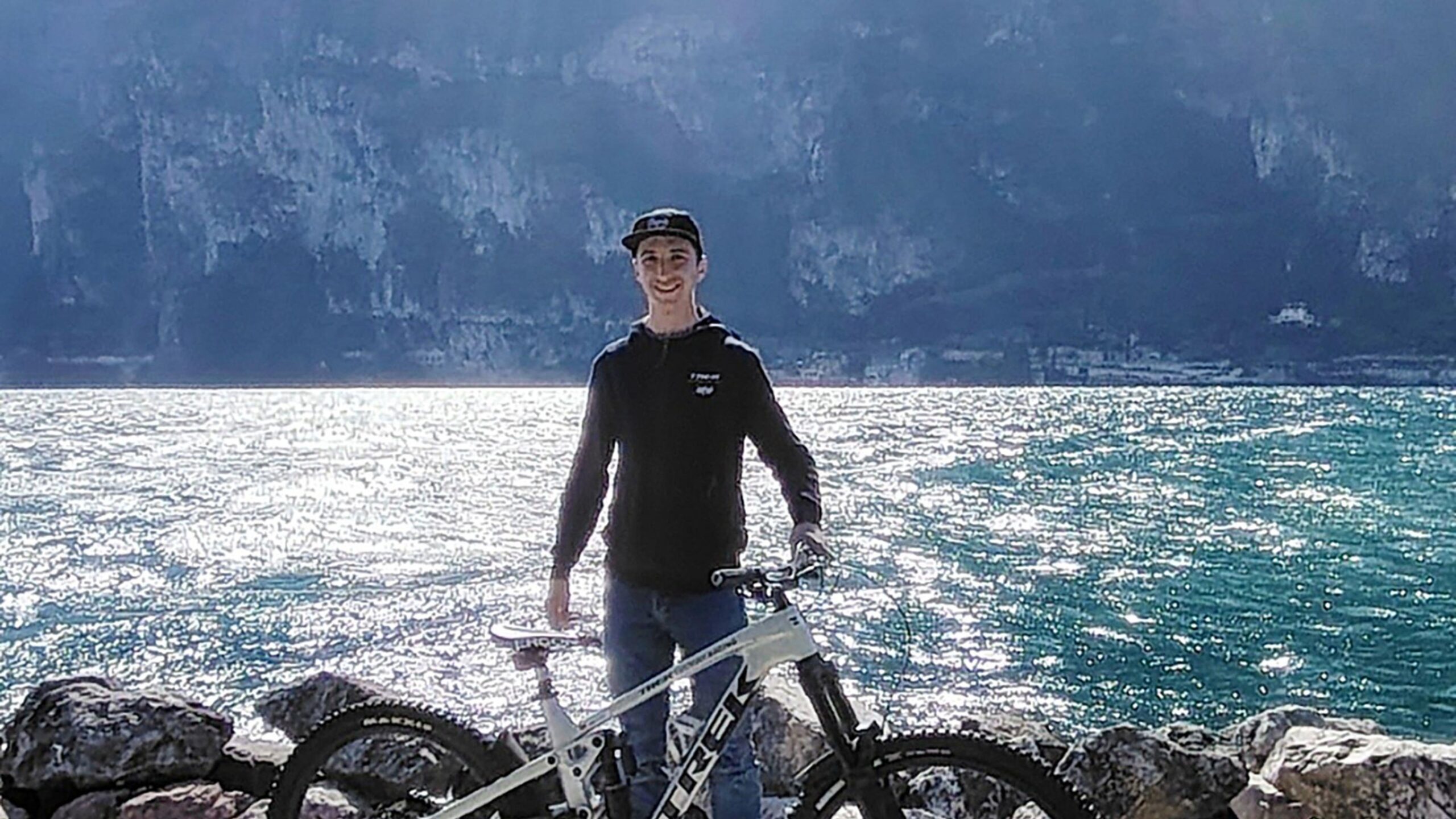
Seitz, who is now planning a clinical trial of the treatment with 18 pediatric cancer patients who all have PRAME in their tumors, just saw his recovered patient this week. Over the weekend, the boy had been part of an extreme cycling event. “Apparently, they drive uphill, and then they go nuts downhill between trees and rocks,” Seitz says. “And I was like, ‘Oh my God…please don’t crash into a tree! It’s not worth it!’ But he really loves it”—and Seitz feels honored to have helped him reclaim his life.
Read the full article here
