

The trouble with military hegemony
The dominant role of Pakistan’s military further constrains political space. Pakistan is governed by a hybrid regime in which civilian governments function within boundaries imposed by the military, which continues to exert tutelary control over national security, foreign policy, and even political competition. Pakistan-administered Kashmir reflects a concentrated version of this wider political order.
The geopolitical stakes of the Kashmir dispute are high, leaving the room for independent political action quite narrow. The Pakistan Army’s 12th Infantry Division, commanded by a major general and headquartered in the hill town of Murree, exercises operational control over the region, giving the military a direct hand in maintaining security.
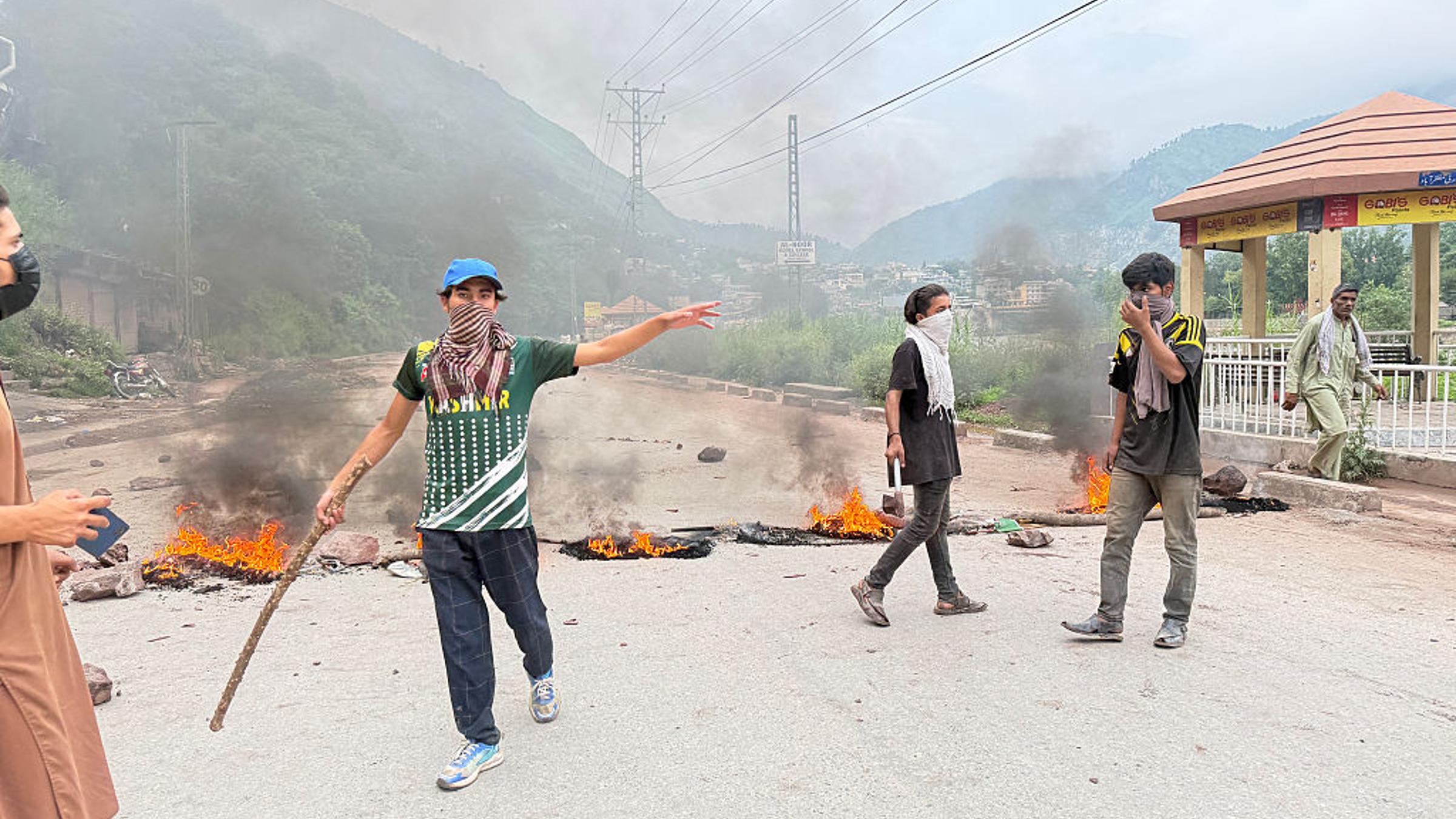
Human rights observers have long documented the influence and the abuses of Pakistan’s military and intelligence services in the territory. The JAAC and rights activists argue that organized political activity and free expression are readily treated as security threats, narrowing the room for dissent. Elected institutions, they say, are reduced to a facade while the security apparatus determines whether political discontent can be expressed and mobilized.
Read the full article here
