

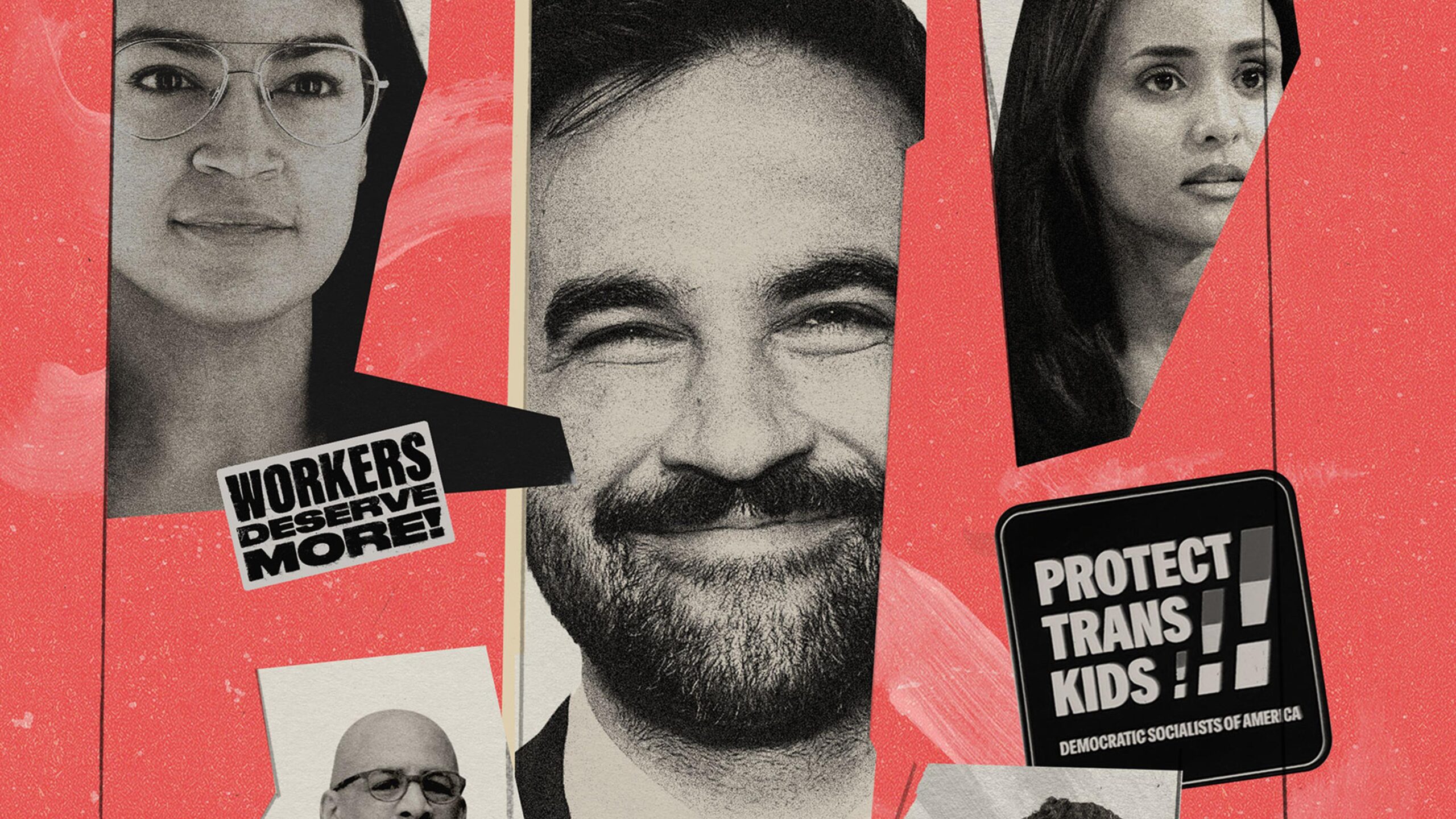
The conversations offer clues to DSA’s sudden relevance. Members talk about rent and health care, Donald Trump and immigration enforcement, Israel and Gaza, jobs that do not pay enough and homes they cannot afford. Others describe a Democratic Party they no longer believe is capable of addressing the problems shaping their lives.
There is plenty at the summit to remind visitors that this is an avowedly socialist organization. A bookseller in the hallway sells Marxist literature; The Communist Manifesto sells out by evening. Nearby, organizers decorate a “Free Stuff!” booth with fake bags of money and gold bars. But many of the grievances drawing people toward DSA no longer sound especially fringe. For Katie Sims, DSA’s 28-year-old electoral chair, the revelation came after graduating from Cornell in 2020 and looking at what a job would pay, then what rent and health insurance would cost. “I was like, none of these numbers add up,” Sims says. Polls show younger Americans are increasingly pessimistic about reaching the basic milestones available to their parents: homeownership, financial security, raising a family without amassing crushing debt. But, while Mamdani was elected mayor of New York with 51% of the vote, the people DSA has attracted are disproportionately young, white, urban, and college educated—hardly a representative sample of the working class the organization hopes to organize.
Read the full article here
