

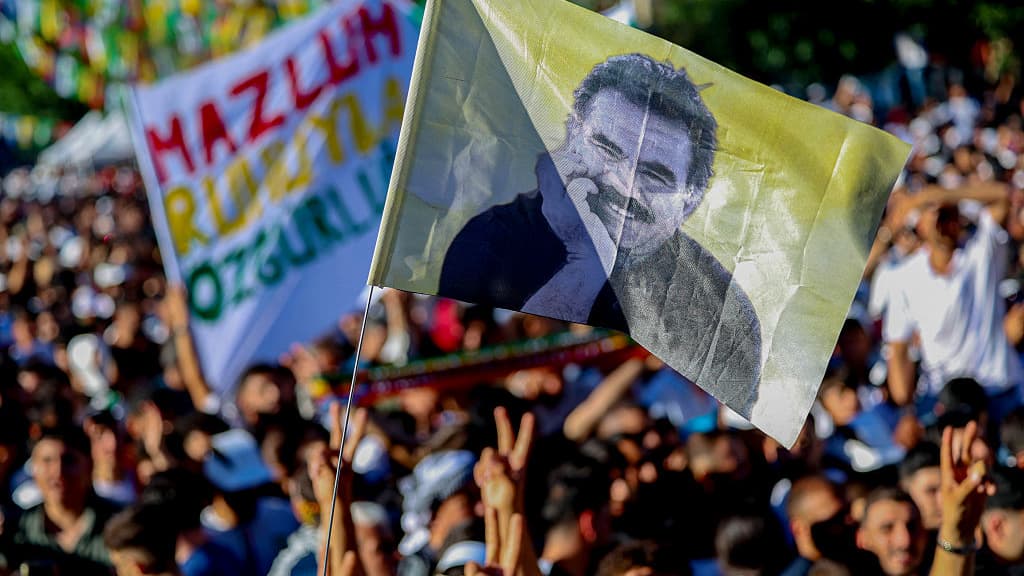
Turkey’s embrace of a political process—instead of simply pursuing a decisive military path—to end the conflict made it more acceptable to the PKK leadership and the Kurdish movement. Abdullah Ocalan, the leader of the PKK, had to persuade his comrades to dissolve their organization, abandon the armed struggle, and choose political struggle. Unfavorable broader regional trends against armed militancy may have helped convince Ocalan and his comrades to make that consequential choice.
The legitimacy of the political solution, in the eyes of the Kurds, determines its sustainability and transformative impact. The current peace process seeks to end the insurgency and transform the struggle for Kurdish rights and aspirations into a nonviolent political one. It could transform Turkey’s relations with its own Kurdish community and the Kurdish communities in Iraq, Syria, and Iran. Leaders of the Kurdish movement believe that they can achieve more through politics than through armed struggle, and that it isn’t only they who are transforming, but that the state, political, and legal systems in Turkey can also change. The promise of the future, rather than being beholden to the grievances of the past, is the way forward.
Read the full article here