

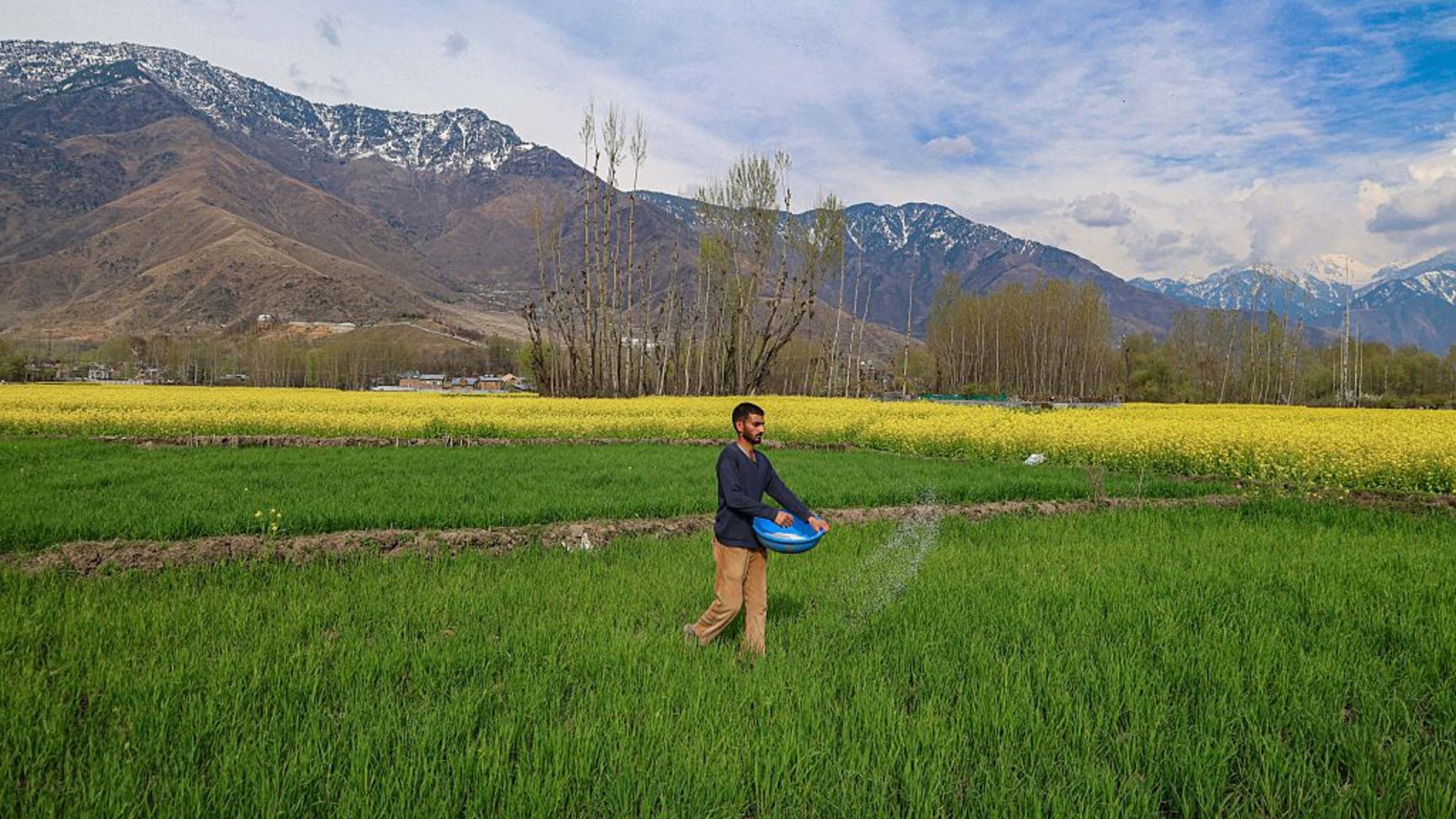
This is why focusing on food, raw materials and especially fertilizer may present an opening that energy politics does not. Iran may regard restricted oil transit as a source of leverage in wartime. Food security is different. It is harder to weaponize without risking blowback at home and abroad. A narrower arrangement may therefore prove more politically attainable than a broader deal encompassing all trade.
Such an initiative would require a credible institutional anchor. The United Nations has taken a welcome step by announcing a task force to address maritime trade disruption, with a particular focus on fertilizer shipments. To succeed, the initiative would need a discreet but capable team: specialists in maritime trade, sanctions, regional politics, mediation, and humanitarian diplomacy. Their task would be to consult promptly with all relevant parties, test the political ground, and develop an operational mechanism that shipping companies, insurers, and governments can trust. World leaders should throw their weight behind such an initiative.
Read the full article here
