

And, despite ongoing negotiations, there’s no sign the conflict will let up anytime soon, meaning gas prices could still rise further, especially if the Strait of Hormuz, through which about a fifth of global oil supply travels, remains disrupted.
“The situation remains highly volatile and unpredictable,” De Haan said in a March 30 blog post.
How much gas prices have risen since the Iran war began
Latest data from GasBuddy shows that gas prices per gallon have gone up $1.04 from last month’s average of $2.97. AAA recorded a similar increase compared to a month ago: posting $2.98 on Feb. 26, to $3.98 on March 26, and to $4.02 on March 31. A seasonal spring break travel demand has also pushed gas prices up.
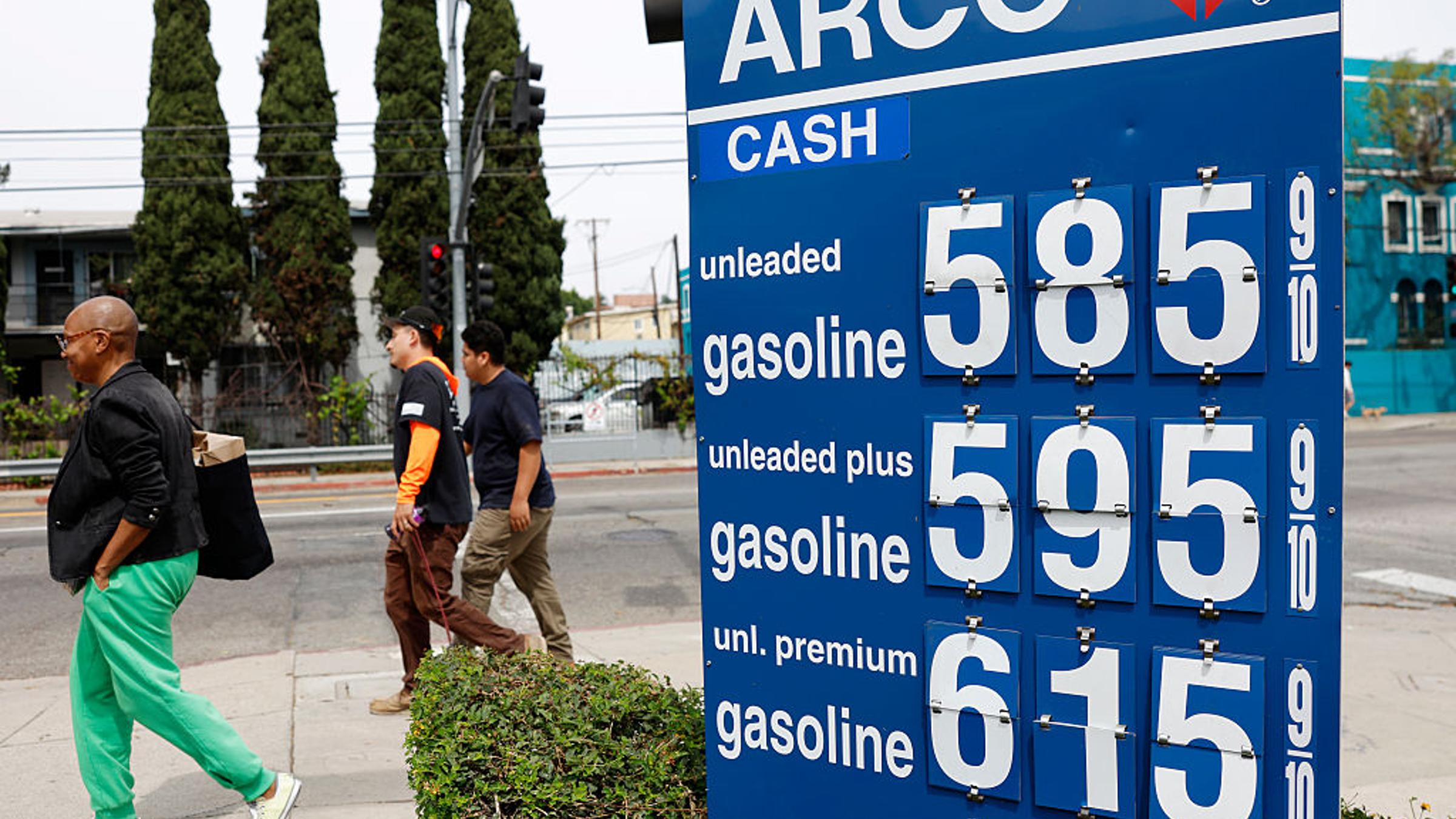
Parts of the West Coast, particularly California, have posted even higher gas prices. GasBuddy recorded the average on March 31 as $5.87 per gallon. The state’s mandate for a special blend of gasoline, a lack of petroleum infrastructure connections, and high gas taxes contribute to higher fuel costs. Energy economist Philip Verleger wrote in a note, reported by Reuters, that the U.S. West Coast “will become the poster child for the consequences of the attacks on Iran.”
Read the full article here
