


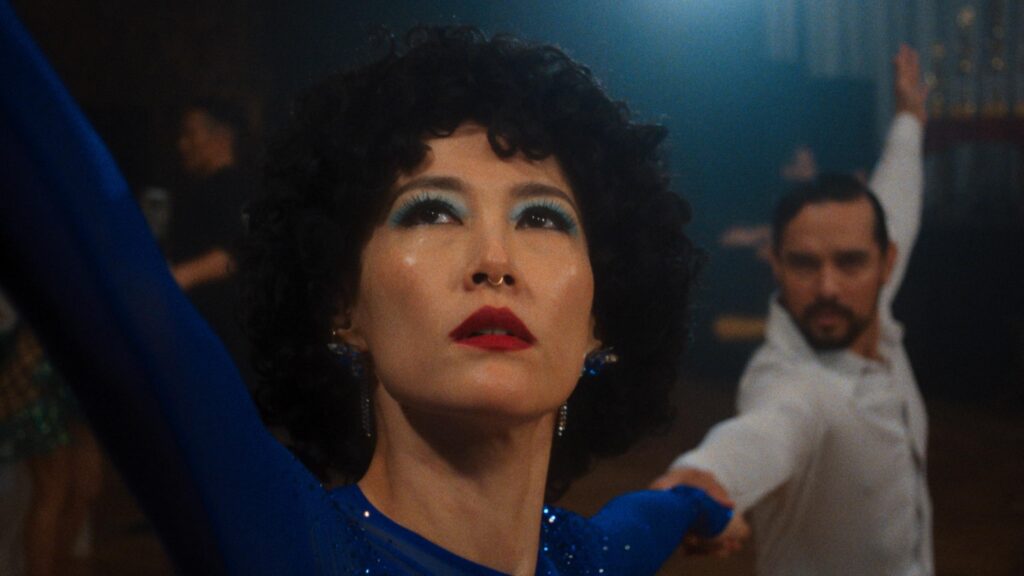
When Haru meets Fedir—whose wife is a Paris-based dance champion, though the marriage is an open one—she glimpses fresh possibilities, or at least just an adventure. In an early scene, after she and Fedir have had a pleasant, platonic dinner together, they’re ready to part ways in the street. A crew of drunken businessmen jostle Haru, and Fedir stands up for her. What follows is a cleverly choreographed dream ballet—though the genre is actually the bachata, one of the dance forms Fedir teaches, its movements an expression of longing and heartache—in which Fedir defends Haru’s honor against this gang of boorish men. Other passersby join in…
Read the full article at TIME.COM