


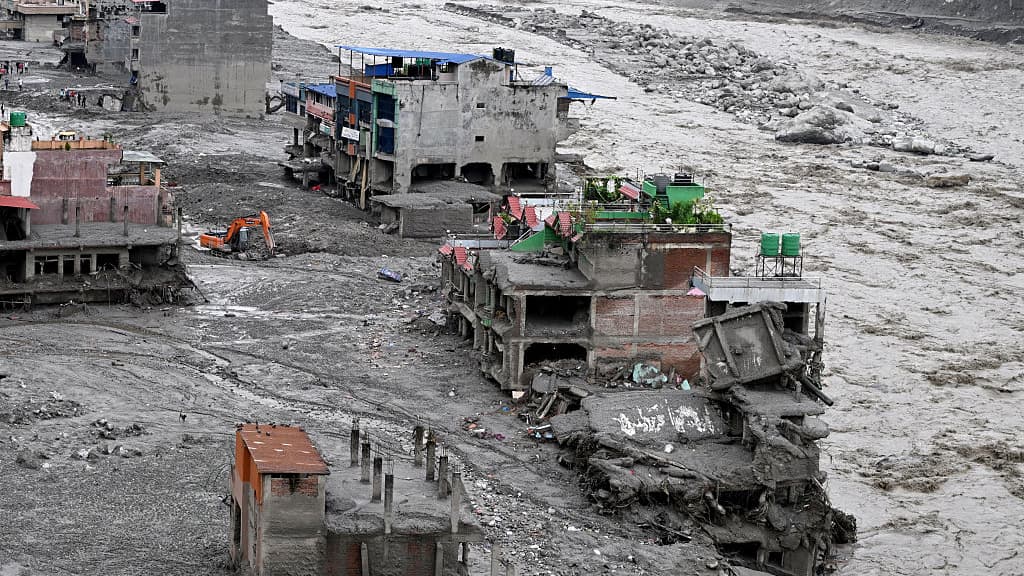
More than 40 bridges have been destroyed or damaged, and 25 miles of vital roadways have been erased from the map, or buried under thick mud, cutting off remote mountain communities and compounding the rescue effort. At the same time, 69 schools have been damaged or destroyed, affecting 19,000 children, according to the charity Save The Children. At least 65,000 people have been directly affected.
Much of the downstream death toll was the result of poor planning and weak enforcement of zoning laws, which allowed settlements to be built along riverbanks. Yet nothing could have saved the hydropower plants, which Nepal needs both to wean itself…
Read the full article at TIME.COM