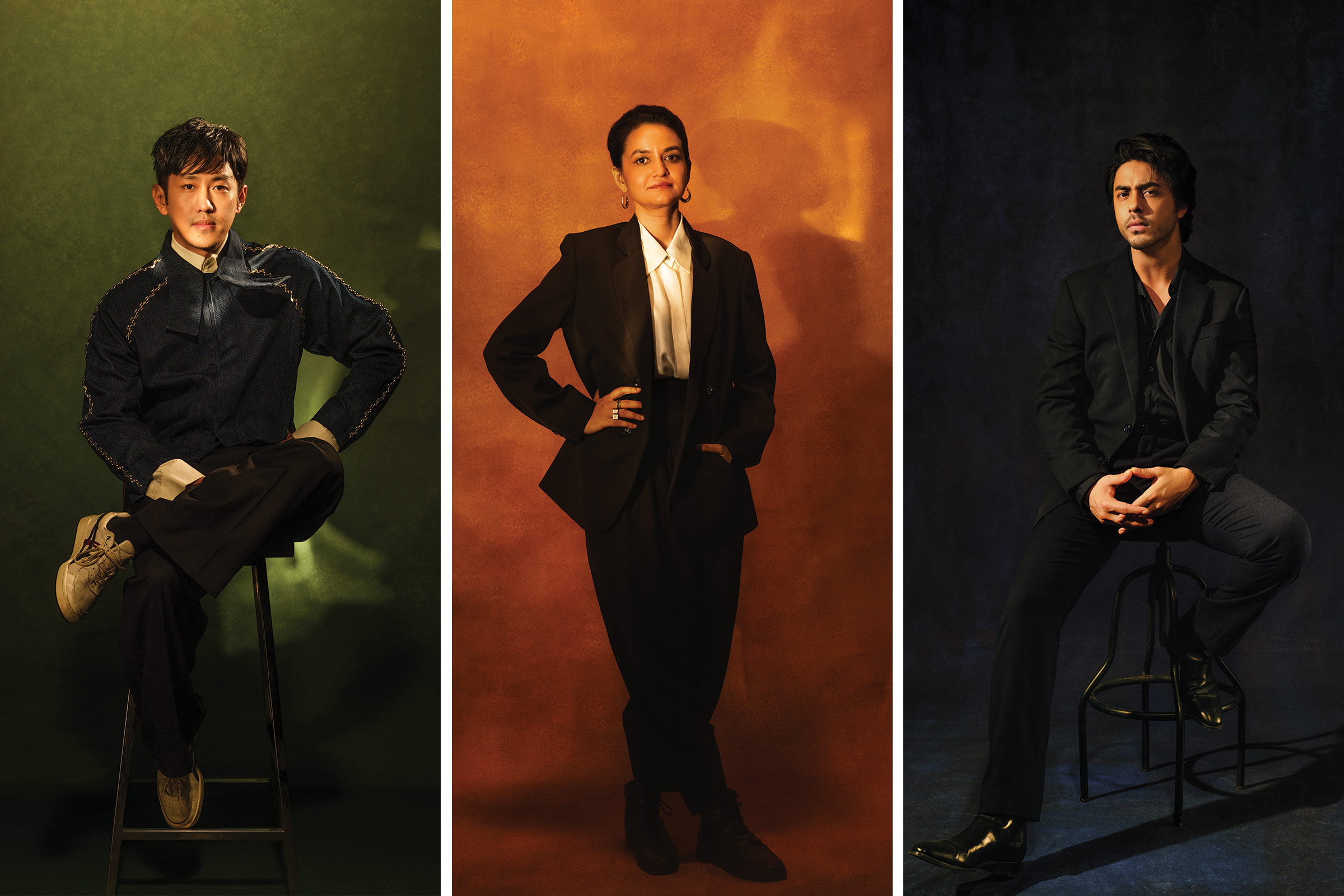


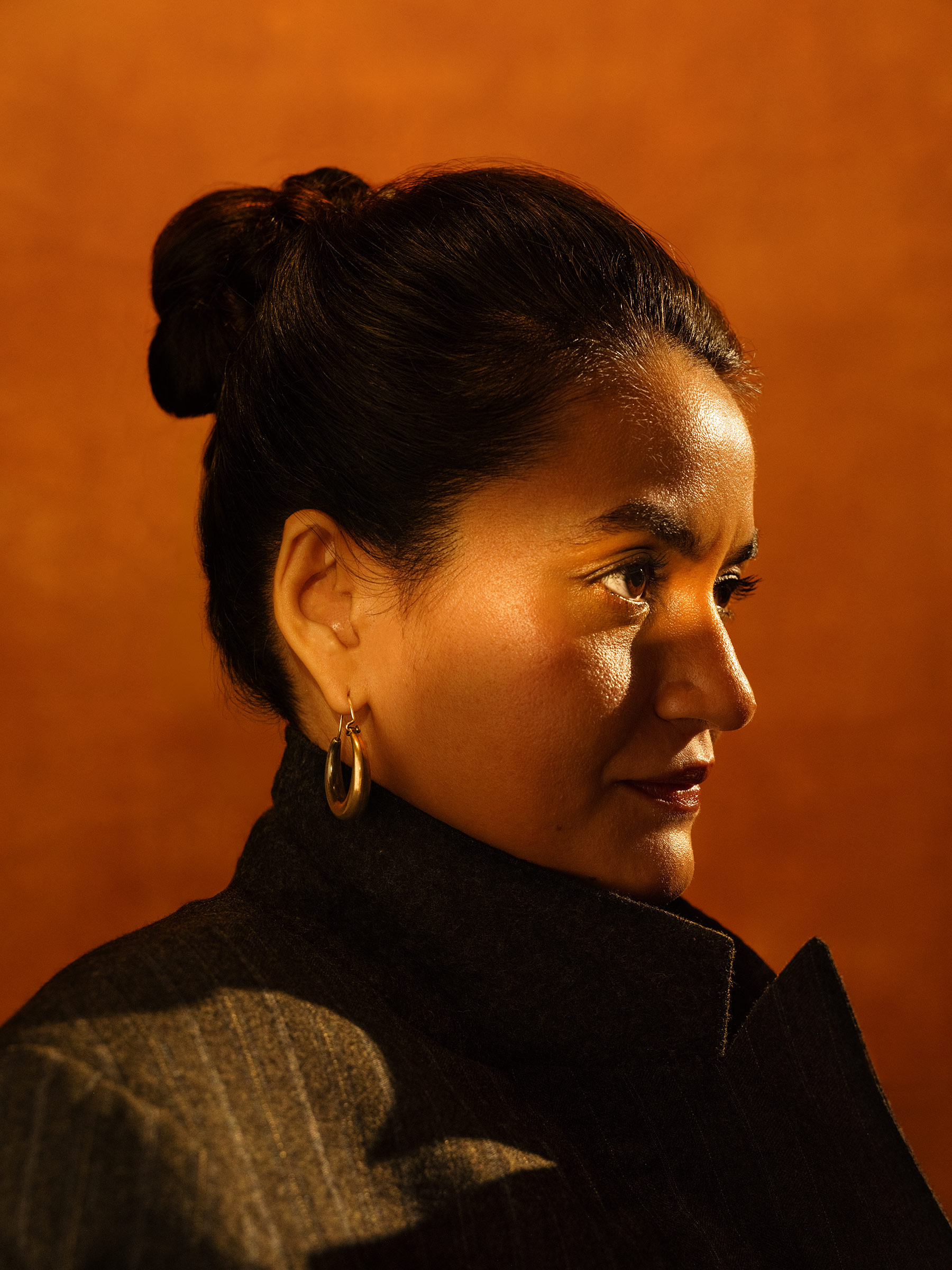
She’s unafraid to hold a still frame long enough to make an audience uncomfortable. She’s unafraid to resist wall-to-wall score, allowing sound design to create a world that the audience can feel for itself. She’s unafraid to experiment with form, finding unexpected ways to weave the personal and the political, the intimate and the collective. She’s unafraid to turn her gaze toward lives and voices pushed to the margins. She’s unafraid to stand in solidarity with protesting students and speak out against the brutality they face, both onscreen and in real life. She is Payal Kapadia. Unapologetically herself. She has received enormous…
Read the full article at TIME.COM