


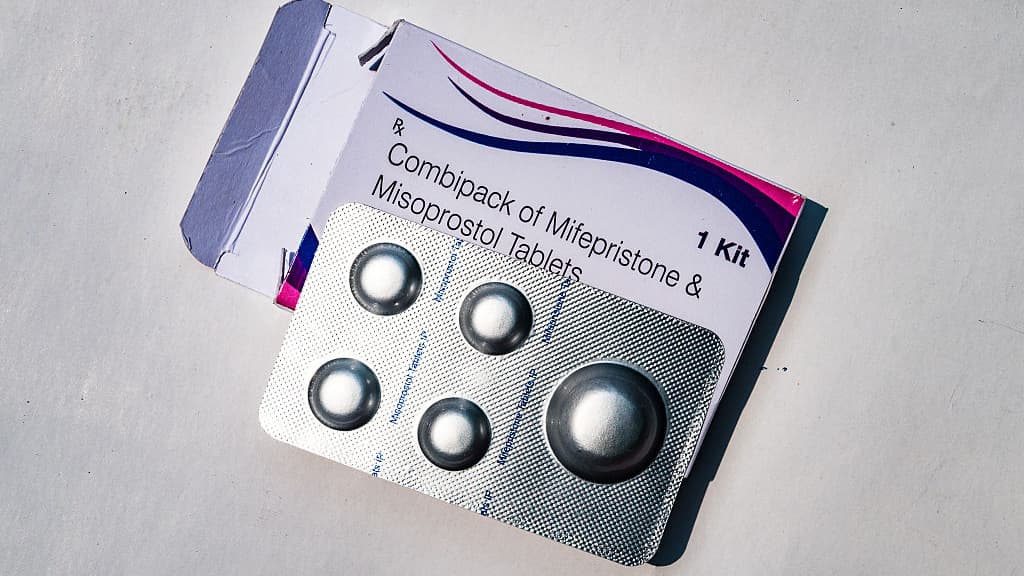
“We expect this to serve as an opportunity to strengthen the policy foundation for overall women’s health, including pregnancy, childbirth, and contraception,” Won said.
Before the 2019 ruling, abortion was strictly banned save for a few exceptions, including for pregnancies resulting from rape or incest. Estimates from South Korea’s Institute for Health and Social Affairs suggest that the number of abortions in the country had fallen from an estimated 241,411 in 2008 to just 32,063 in 2020, the last year for which statistics are available. In 2011, the health ministry director at the time attributed the downward trend to “a combination of…
Read the full article at TIME.COM