

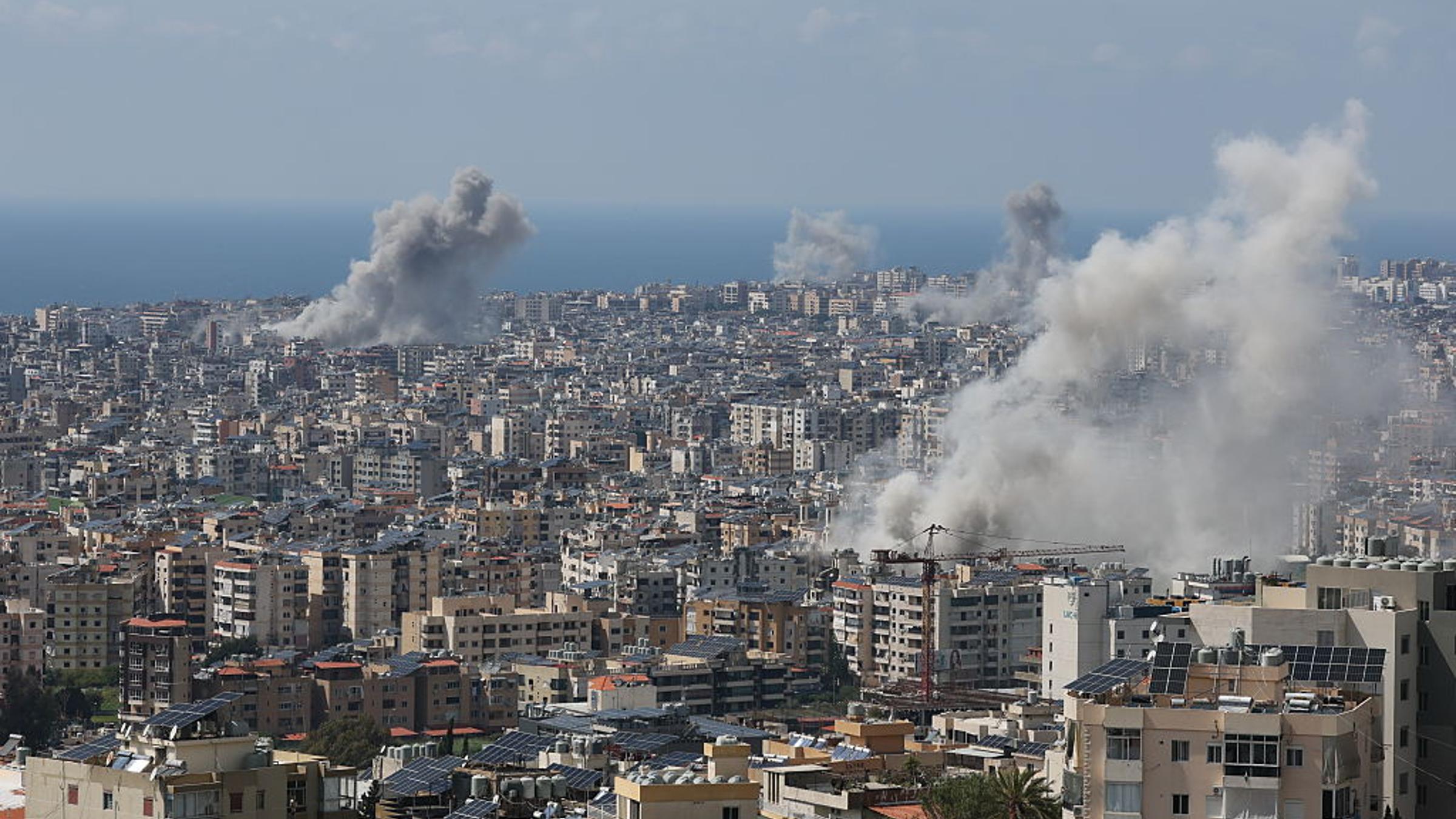
We estimate that nearly 1,500 people have been killed in the last four weeks (including a former staff member of my organization, her husband, and her three-year-old son, all killed in an Israeli airstrike). Over 1 million civilians have been displaced by fighting in the south of the country, constituting around one-fifth of the country’s population. Around 140,000 Lebanese are in “collective shelters” like schools and football stadia.
Economic growth that last year tallied 5% has gone into reverse. Cash payments to Lebanon’s poorest ($145 for a family of five) do not come close to covering the cost of the basics for a month. A nurse working for one of our partners told me in Beirut, “It is really hard to have a future here. It’s just way too hard to plan.”
Conflict-affected states like Lebanon and Syria face a permanent struggle to keep their heads above water. The challenge is to tackle short-term humanitarian needs that incubate resentment and instability while at the same time acting for longer-term national economic and social development. Focus only on the former and aid dependency results. Focus only on the latter, and you lose the people.
Read the full article here
