


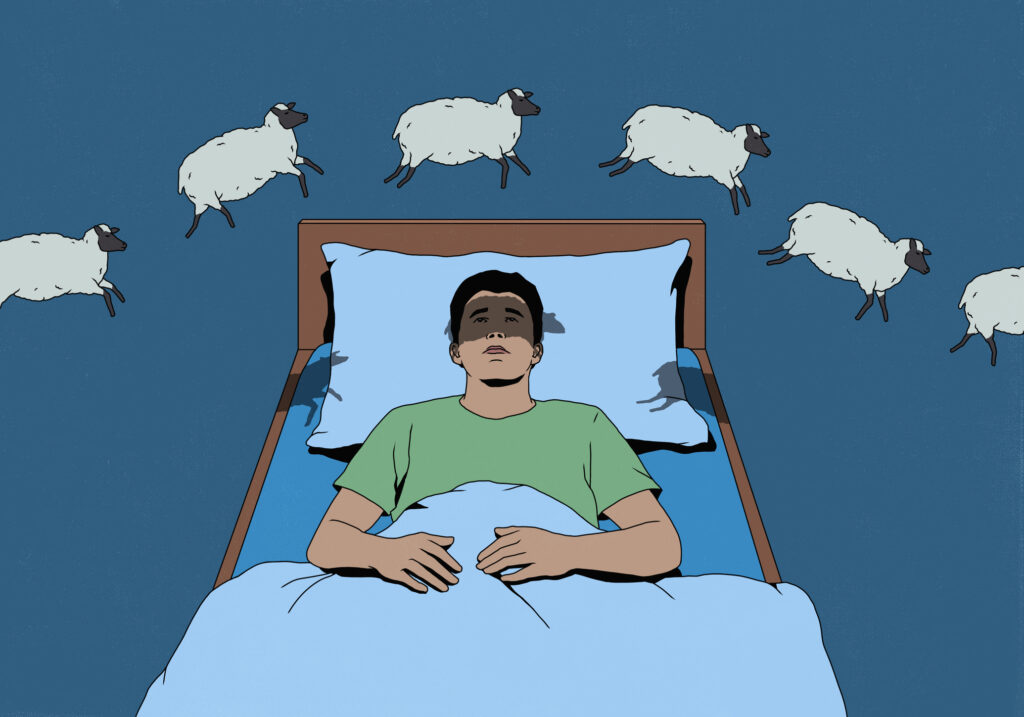
A few months ago, a new patient sat down in my office and started talking before I had finished my hello. She hadn’t slept well in months, and it showed. She was short with her husband, tired at her desk, and dreading her own bed as if it had betrayed her. My patient turned her phone toward me the way you would hand over bad bloodwork. A sleep score: 61 out of 100. “Look how bad it is,” she said.
I see it all the time. An ordinary bad week or two of sleep turned serious by constant monitoring. For a growing number of my patients, rigid discipline and the effort to sleep perfectly can tip a rough patch of poor sleep into a diagnosis of…
Read the full article at TIME.COM