

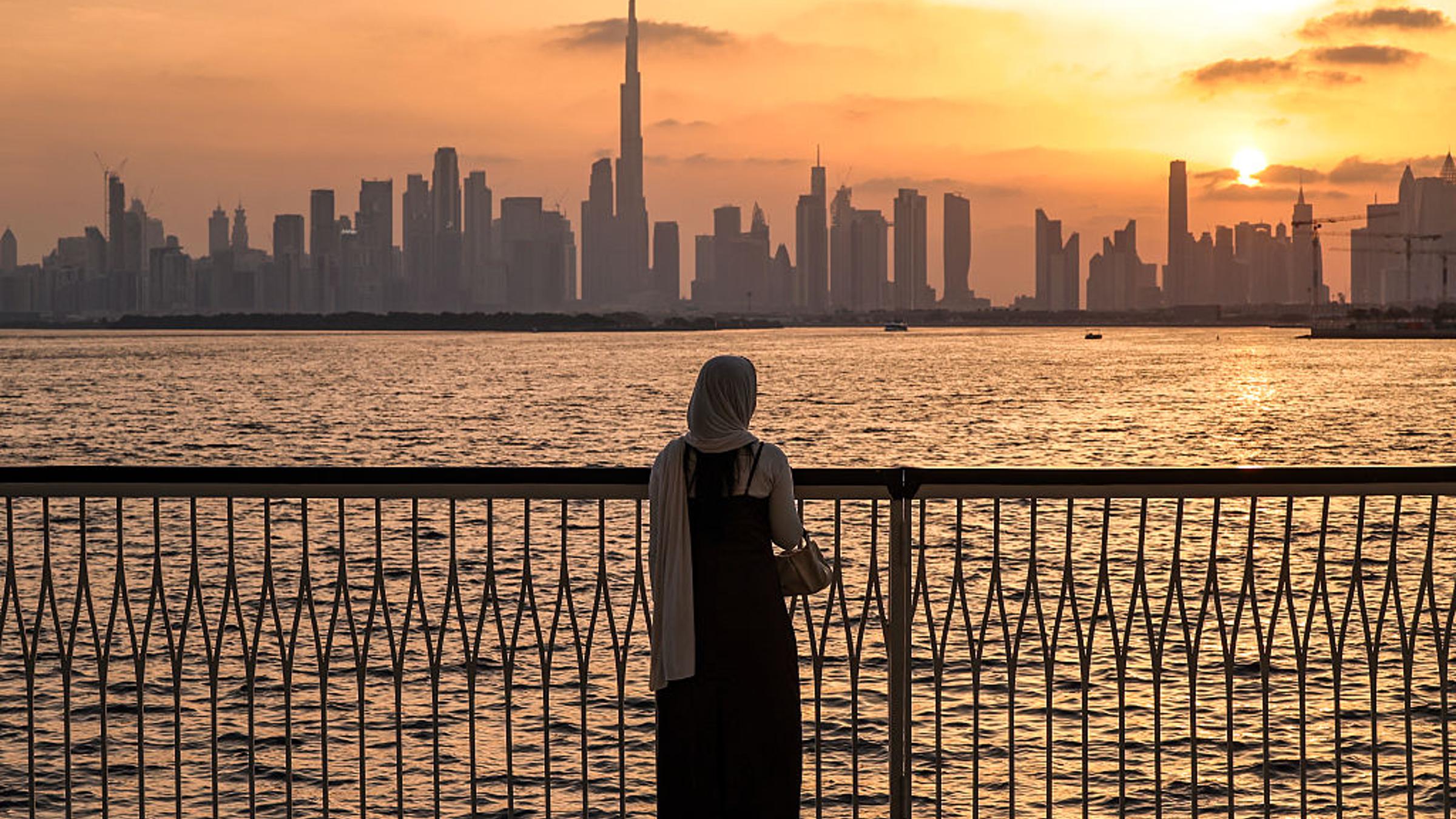
Dubai’s soft power is more durable than the headlines suggest. Zero income tax: intact. The Golden Visa system: intact. The regulatory framework, the free zones, the geographic centrality—a third of the world’s population within four hours’ flight—all intact. Art Dubai, the Museum of the Future, Alserkal Avenue: intact. The cosmopolitan ambition that draws artists, musicians, chefs, and writers from across the Global South to a city that funds and welcomes them: intact. Most of what made Dubai magnetic on Feb. 27, the day before this war began, remains magnetic, or will quickly become so again.
Western commentary has consistently underestimated a dimension of Dubai’s soft power. The city’s gravitational pull operates differently, and more powerfully, for the billions in the Global South than for the few Western expatriates who fled at the first missile alert. The World Bank estimates that remittances from the UAE to India, Pakistan, and the Philippines alone reached $47.5 billion in 2024. That figure is the cold arithmetic of economic gravity. After a Bangladeshi driver was killed by missile debris, his brother described the idea of returning to Dubai— especially as the conflict continued—as “unbearable” but added, “But Dubai is the only place we know how to earn.”
Read the full article here
