

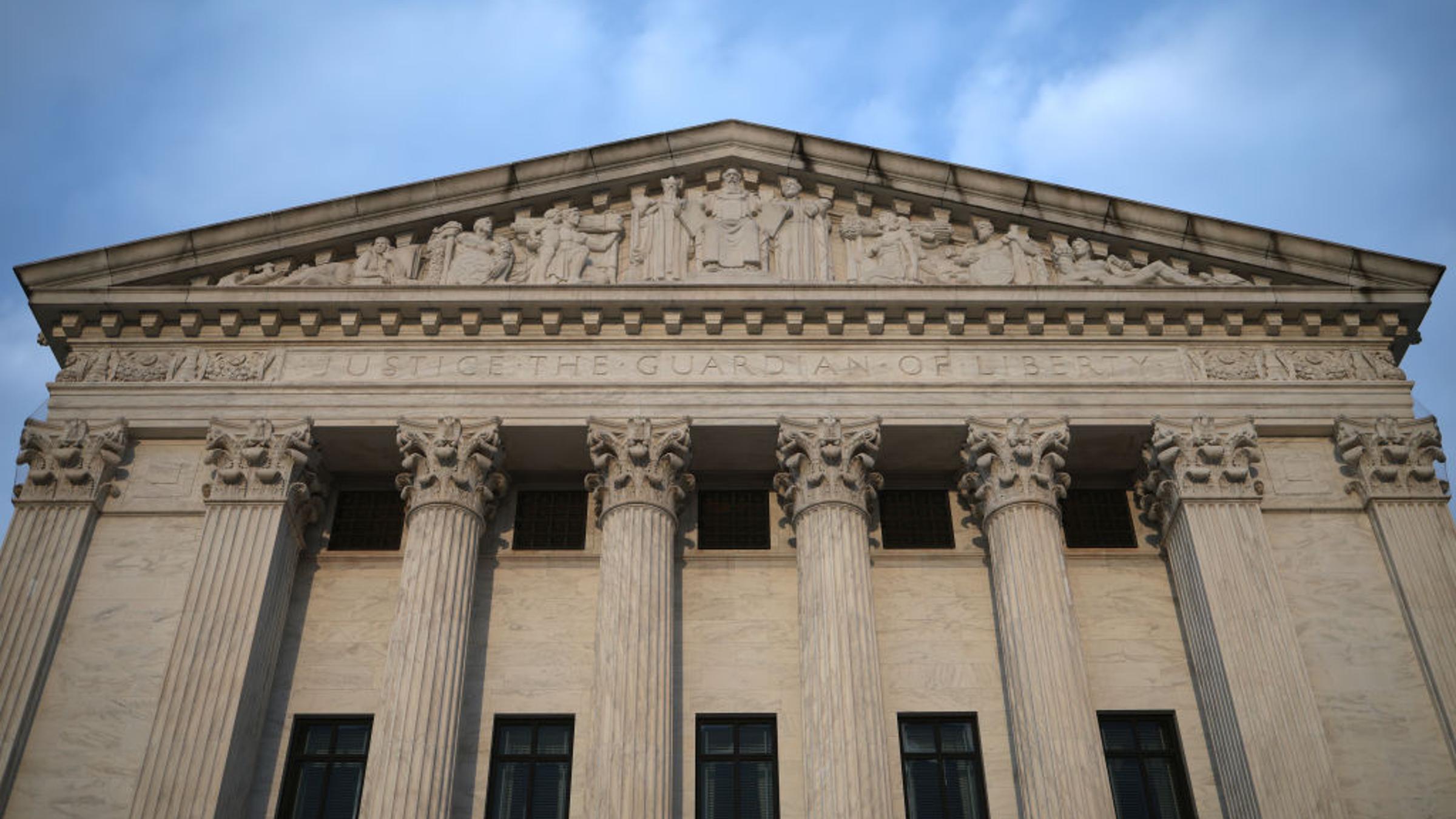
The Brennan Center estimates that over the last year, the Trump Administration has asked the Court to use its emergency docket to overturn lower court decisions an unprecedented 34 times—of those requests, the Court has issued 25 decisions and ruled in the administration’s favor 80% of the time. In many cases, it has been difficult to understand what the “emergency” actually was. To us, Trump’s inability to dismantle an agency or freeze scientific research grants hardly seems like an emergency.
To curb abuse of the shadow docket, Congress should codify standards to ensure that the Court takes up a case only when there is a true emergency. It should also require justices to issue written and signed opinions in shadow docket cases, which could provide clarity, increase transparency, and boost confidence in the Court’s independence.
Finally, while new Supreme Court confirmation hearings now appear less imminent, any reform package must address the dysfunction of the confirmation process. Since Senator Mitch McConnell blocked President Obama’s Supreme Court nominee, claiming it was too close to an election, only to push through Justice Amy Coney Barrett after early voting had already begun in 2020, confirmations have increasingly turned into toxic displays of partisan gamesmanship. But the nomination process shouldn’t be at the whim of the party in power. Congress should enact a mechanism to fast-track nominees after a certain number of days of inaction, ensuring every nominee receives fair consideration.
Read the full article here
