

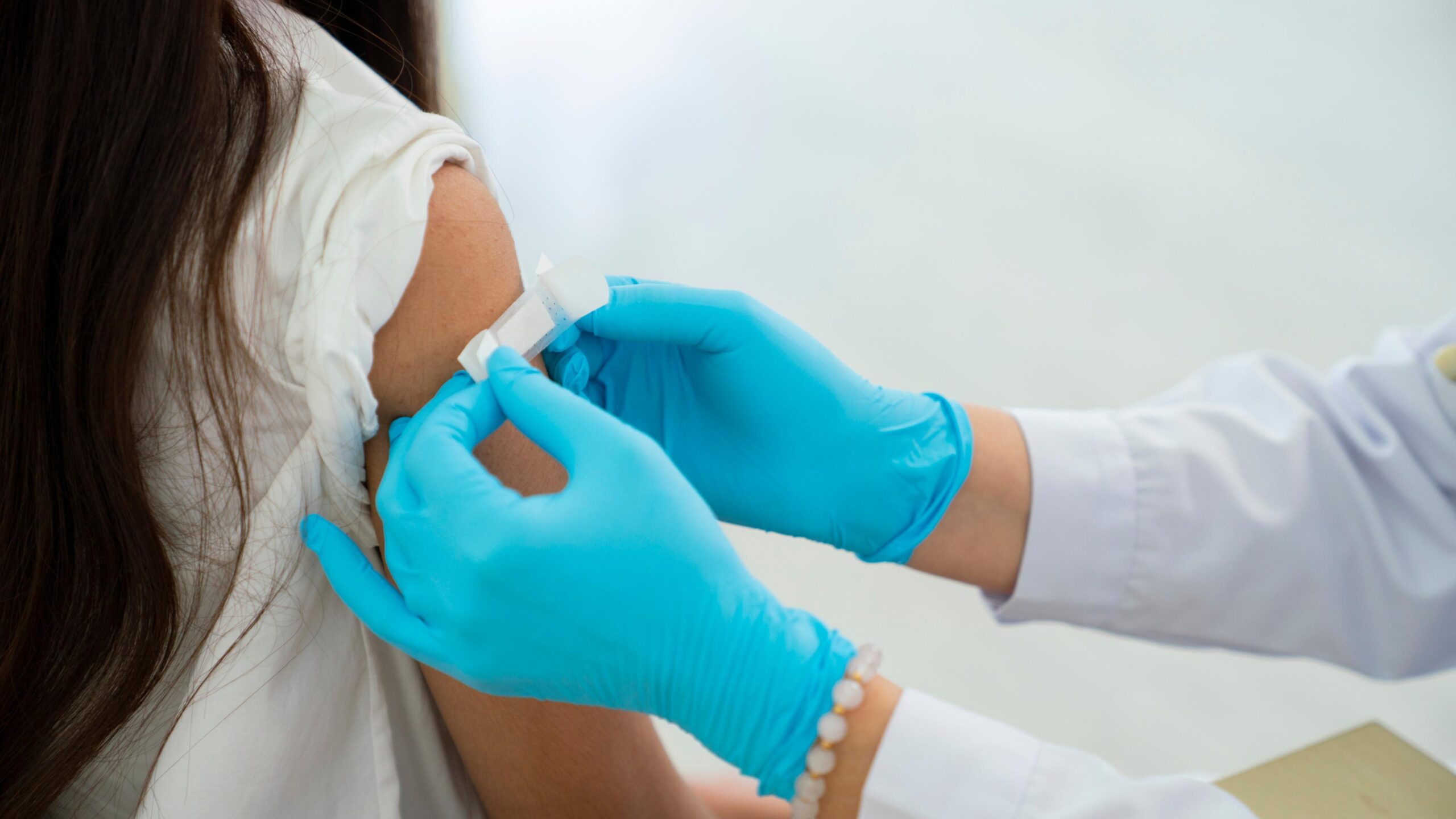
“With public health becoming increasingly polarized, it’s critical to understand people’s attitudes about vaccines, and this work suggests people’s media preferences play an outsized role in influencing those attitudes,” said Amelia Jamison, an assistant research scientist at Johns Hopkins University and a co-author of the study, in a statement that accompanied its release. Other recent research supports a similar partisan divide when it comes to vaccine attitudes, with Republicans far less likely to support school vaccine mandates than Democrats.
Addressing vaccine hesitancy depends at least in part on messaging, which has changed with the administration in power—and can again. “Research has shown that communicating scientific consensus can strengthen trust in science,” Böhm says. “So if that communication changes, it can also change how people think about vaccines.”
If not, he warns, the country risks outbreaks of diseases that could have been prevented by the simple intervention of routine vaccination. “We should not imagine epidemics as something that only happens after vaccination rates collapse dramatically,” Böhm says. “For highly contagious diseases such as measles, even relatively small declines in vaccine confidence and uptake can create pockets of vulnerability.”
Read the full article here
