

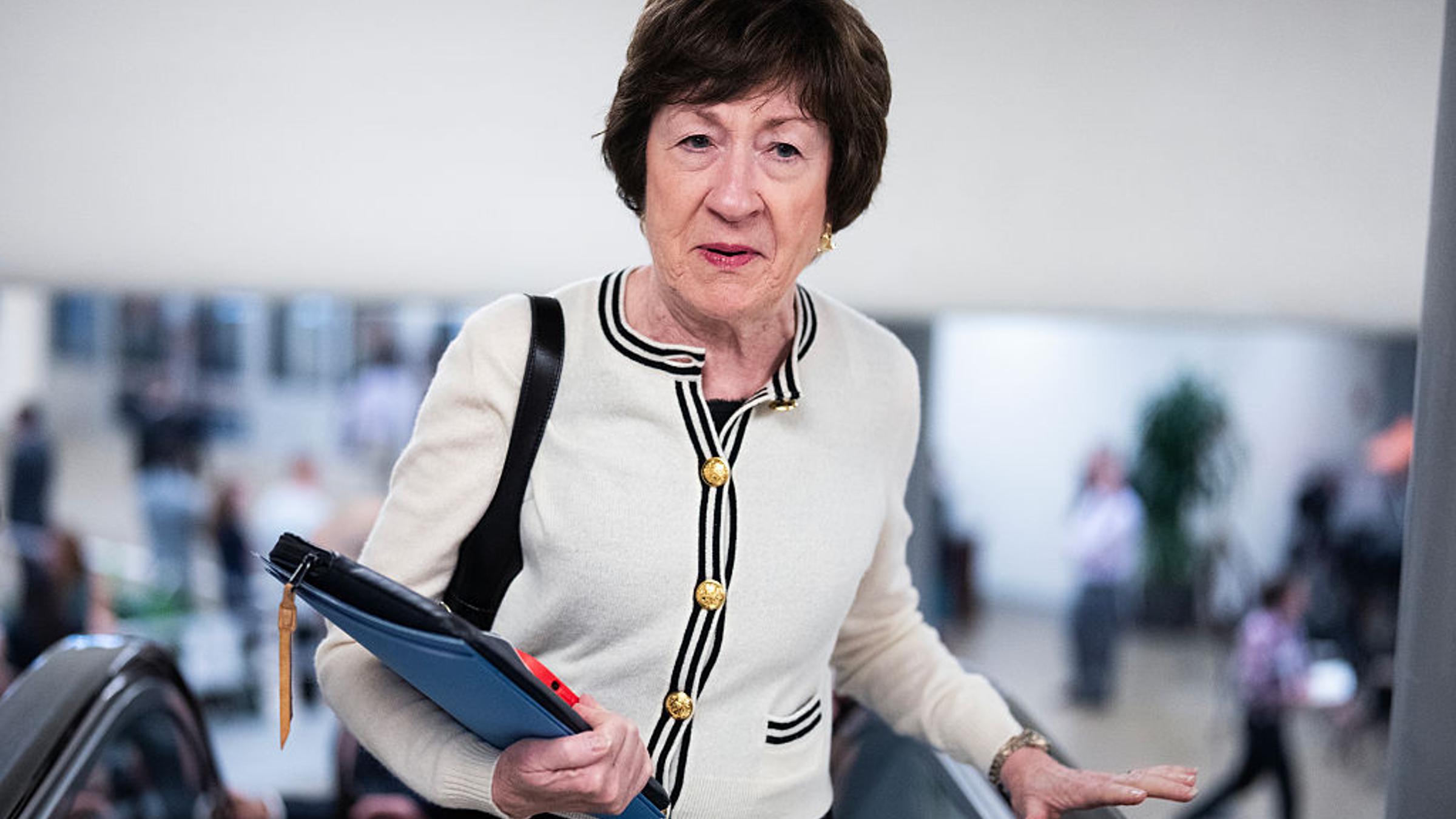
At the same time, the approaching deadline has begun to shift the conversation on Capitol Hill. Several Republicans who opposed the Democratic resolution, including Collins, had previously told TIME they nonetheless view the 60-day mark as legally significant and had been expecting the administration to engage Congress about next steps.
“It’s the law,” Sen. James Lankford of Oklahoma told TIME in mid-April of the requirement to authorize continued operations. Sen. Thom Tillis of North Carolina suggested that if the United States plans to remain engaged in Iran beyond the immediate term, Congress should pass a formal authorization. “It all depends on the information that gets conveyed to us about the strategic objectives, the timing, all that stuff needs to come before us,” he told TIME.
Still, those concerns have not translated into support for a War Powers Resolution brought by Democrats, which many Republicans dismiss as overly political or insufficiently tailored to military realities. Some have floated alternatives, including narrower authorizations or limits on ground troops, while others have suggested the administration could invoke the law’s 30-day withdrawal provision to buy more time.
Read the full article here
