

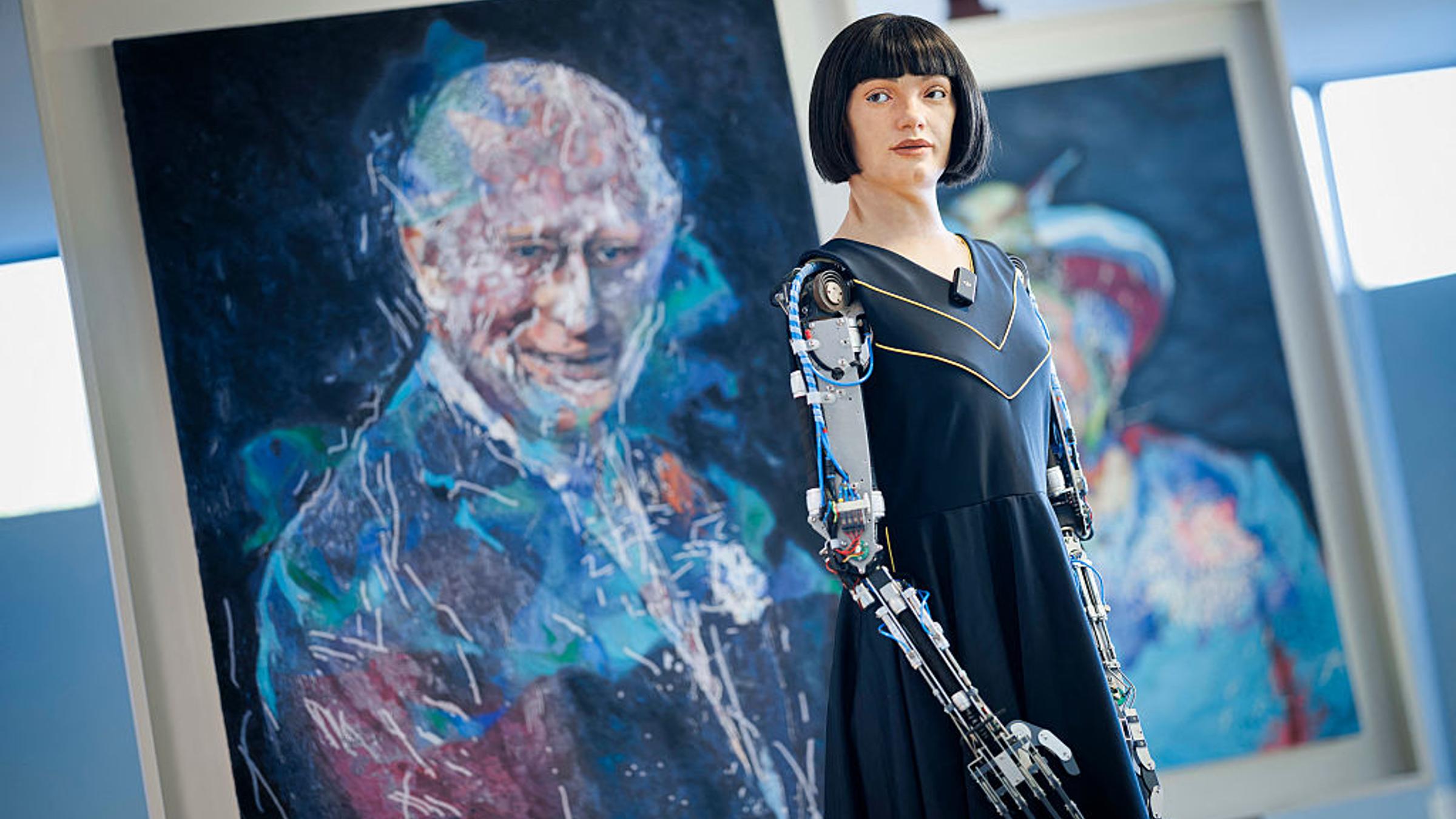
Following this trend, we can expect AI to push artists to be less perfect and more human, and for their art to get better by becoming “worse.”
To be sure, AI is not the first technology to face the accusation that it will ruin art forever. When photography emerged in the nineteenth century, painters feared the worst. In 1840, after seeing a photograph for the first time, the French painter Paul Delaroche famously declared, “From today, painting is dead!”
In truth, the camera didn’t kill painting so much as force it to evolve, ushering in an era of unprecedented creativity and experimentation. Movements like Impressionism, Fauvism, and Cubism all arose in part from painters asking the same question: What can I do that this new machine cannot? The answer, broadly, was to represent the world subjectively, as they themselves experienced it.
Today’s artists, in any medium, must also wrestle with this question. Only this time, the answer will be harder to find. AI is a more versatile tool than the camera, not to mention increasingly capable of acting on its own accord. It also evolves at a quicker pace and along a more unpredictable trajectory, so much so that even its creators can’t agree on what the future will and should look like. We do have a general idea of how human artists will cope, though, not least because their options are increasingly limited.
Read the full article here
