

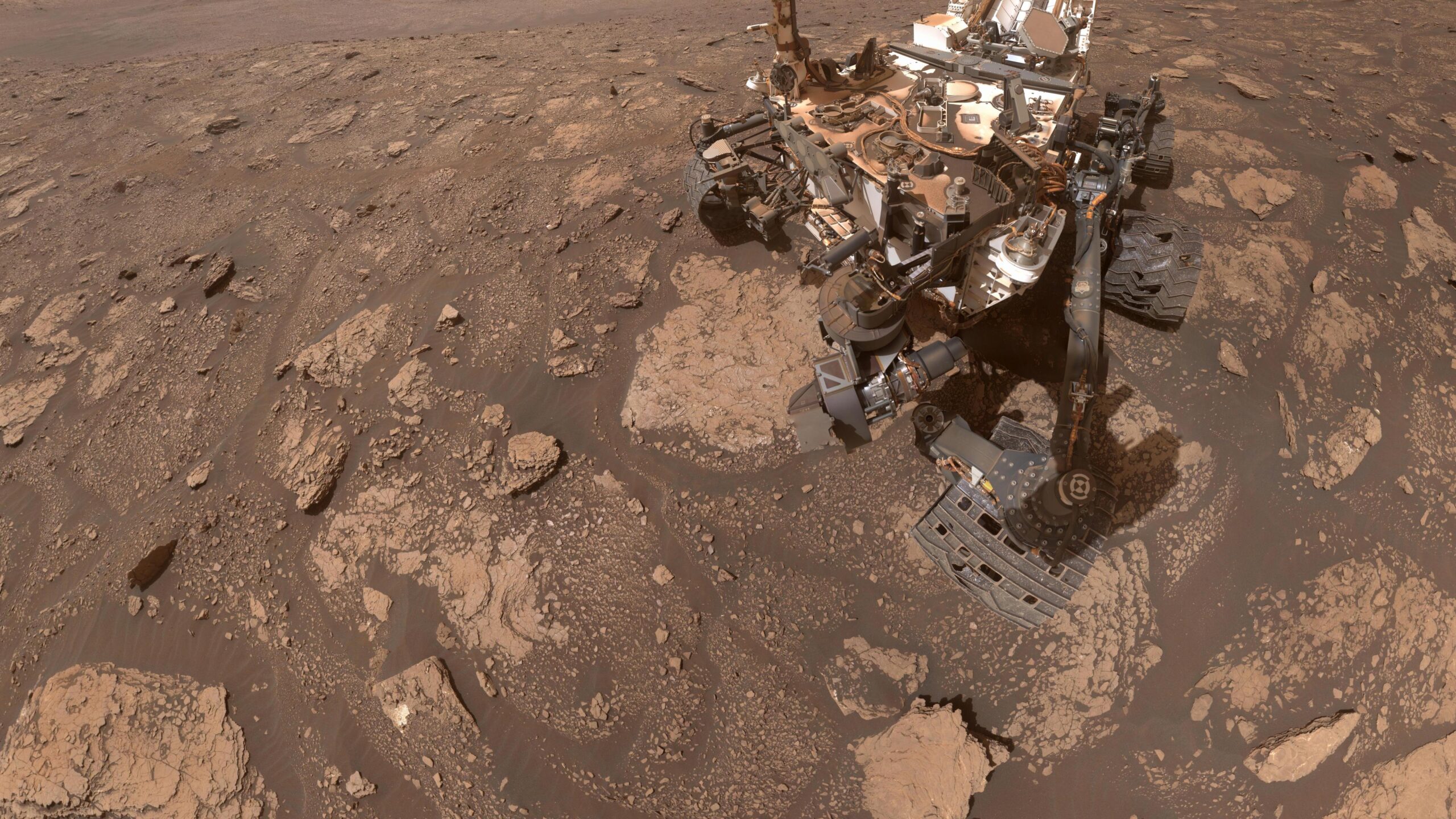
The Curiosity rover landed on Mars way too late to observe barren Gale Crater when it was potentially lush Gale Lake. Three and half billion years ago, the 95-mile-wide basin sloshed with water, as did much of the rest of the planet, until Mars lost its magnetic field, the solar wind stripped away its atmosphere, and most of its water sputtered away into space. In 2012, NASA’s Curiosity rover landed in Gale Crater, looking for clues that the planet’s ancient, wet environment could have supported life. Now, as a study in Nature Communications reports, Curiosity may not have only found conditions that could have hosted life, but chemicals that, on Earth at least, are building blocks of biology.
Read the full article here
