

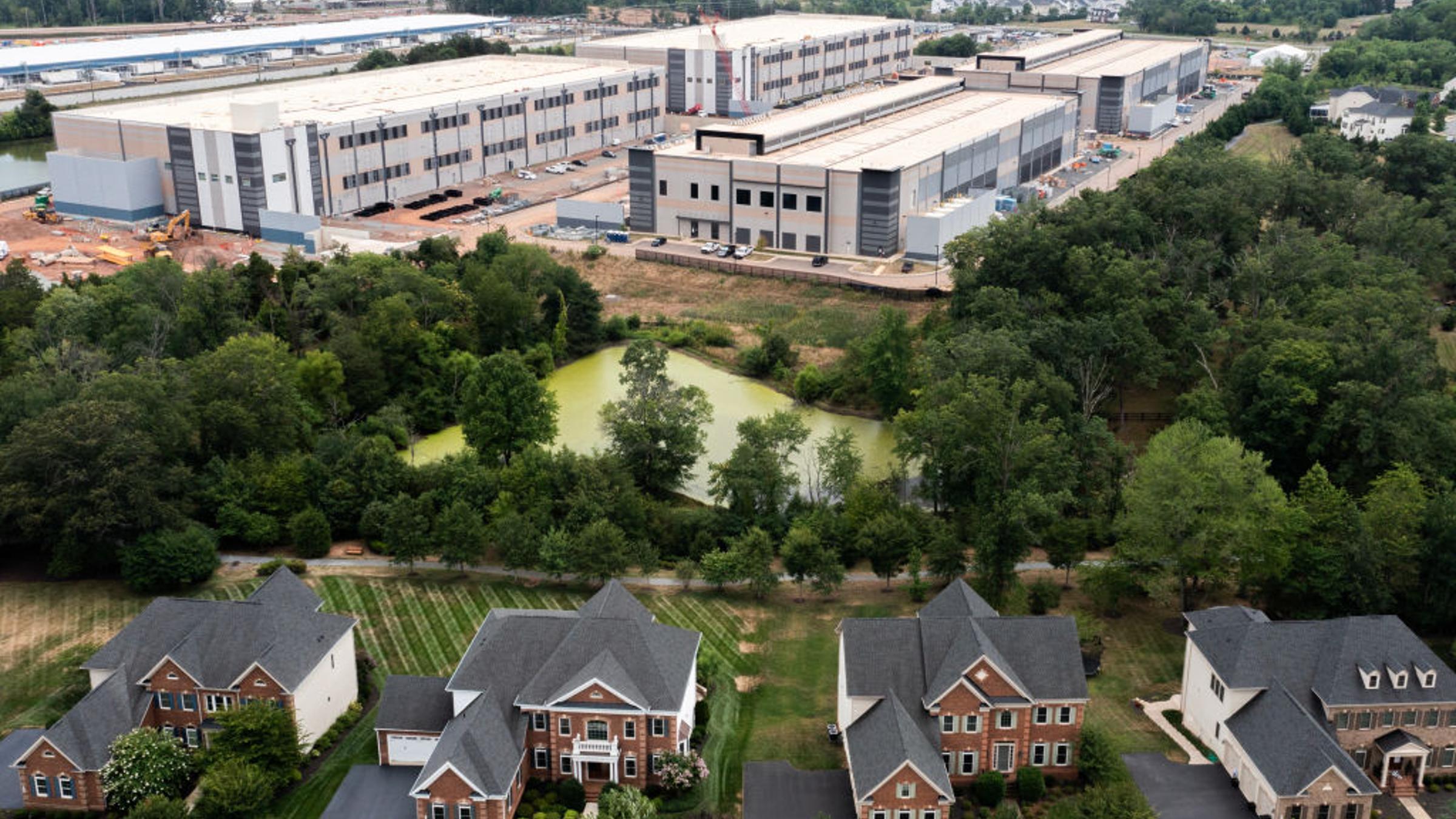
Large data centers can consume up to 5 million gallons per day to keep servers cool. In communities already facing water scarcity, this risks putting a strain on already sparse resources. In Querétaro, Mexico, plans for fast-tracked data centers stand to jeopardize water supplies amid prolonged droughts. Uruguay saw a similar battle after plans to build a water-intensive data center were announced during a 2023 drought that depleted freshwater reserves in the country’s largest city, making tap water unsafe to drink—sparking protests over the prioritization of industrial demands over human needs.
In addition to the strain on resources and impact to local environments, there is a separate inequality at play, the report notes. As data centers continue to explode around the world, the researchers warn of a widening “digital divide,” in which wealthier countries are able to invest in AI infrastructure while lower-income nations struggle to access and participate in the AI economy. In some ways, this divide is already apparent. As of 2025, only 32 countries—16% of nations—host AI-specialized data centers, and 90% of that capacity is concentrated in two countries: the U.S. and China. Moreover, AI infrastructure could generate up to 2.5 million metric tons of electronic waste each year by 2030, which could expose frontline communities—predominantly in low-income countries where many countries export their waste—to toxic substances.
Read the full article here
