

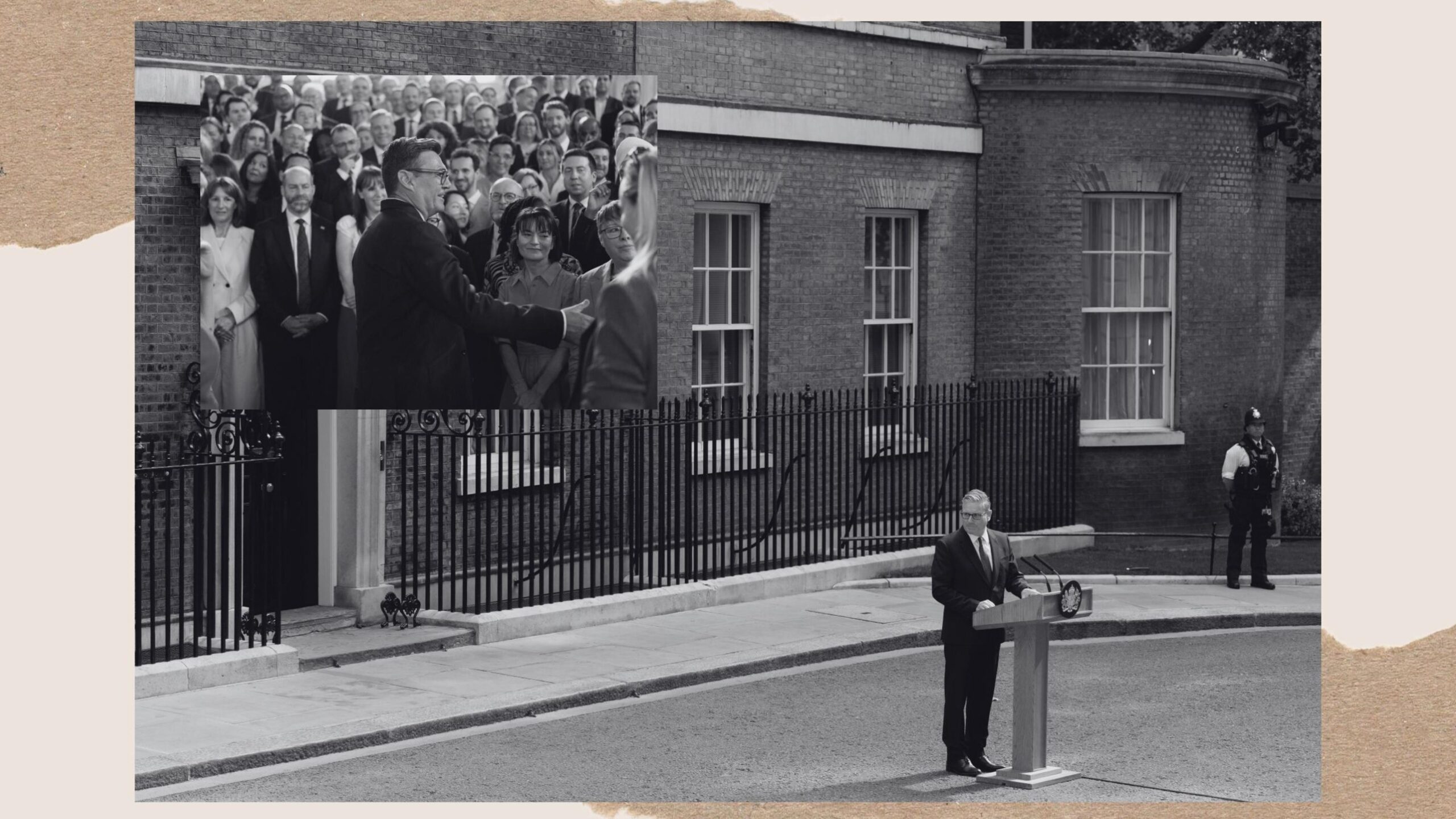
Against this troubled backdrop of national angst, Prime Ministers came and went, making the U.K., not so long ago a bastion of political stability on this side of the Atlantic, look more and more like some of its formerly unstable southern European neighbors. Between 2011 and 2022, Italy, for example, cycled through six different leaders. With Giorgia Meloni now firmly ensconced in Rome, and the U.K. once again awaiting a new leader, the revolving door has moved north.
After Cameron, Theresa May fell on her sword in 2019, when she failed to break a parliamentary deadlock over how Britain should navigate its departure from the E.U. Boris Johnson’s more colourful occupancy of No. 10 followed, but he was forced out after a similar length of time, dragged down by COVID chaos and accusations that parties at Downing Street broke the very social-distancing rules he had asked the nation to abide by.
His successor Liz Truss’ tenure of just 45 days was a disaster. Her controversial mini-budget of unfunded borrowing unleashed complete panic on the financial markets. She did notch up a couple of records, not just for the shortest term in office, but also for being the first leader since Winston Churchill to govern under two monarchs. King Charles III ascended to the throne following the death of his mother Queen Elizabeth II, just two days after Truss took over. During Truss’ final days in Downing Street, a British newspaper tracked whether her tenure would outlast a lettuce. It did not. Rishi Sunak restored some stability post-Truss, but resigned in July 2024 after a crushing Conservative election defeat.
Read the full article here
