

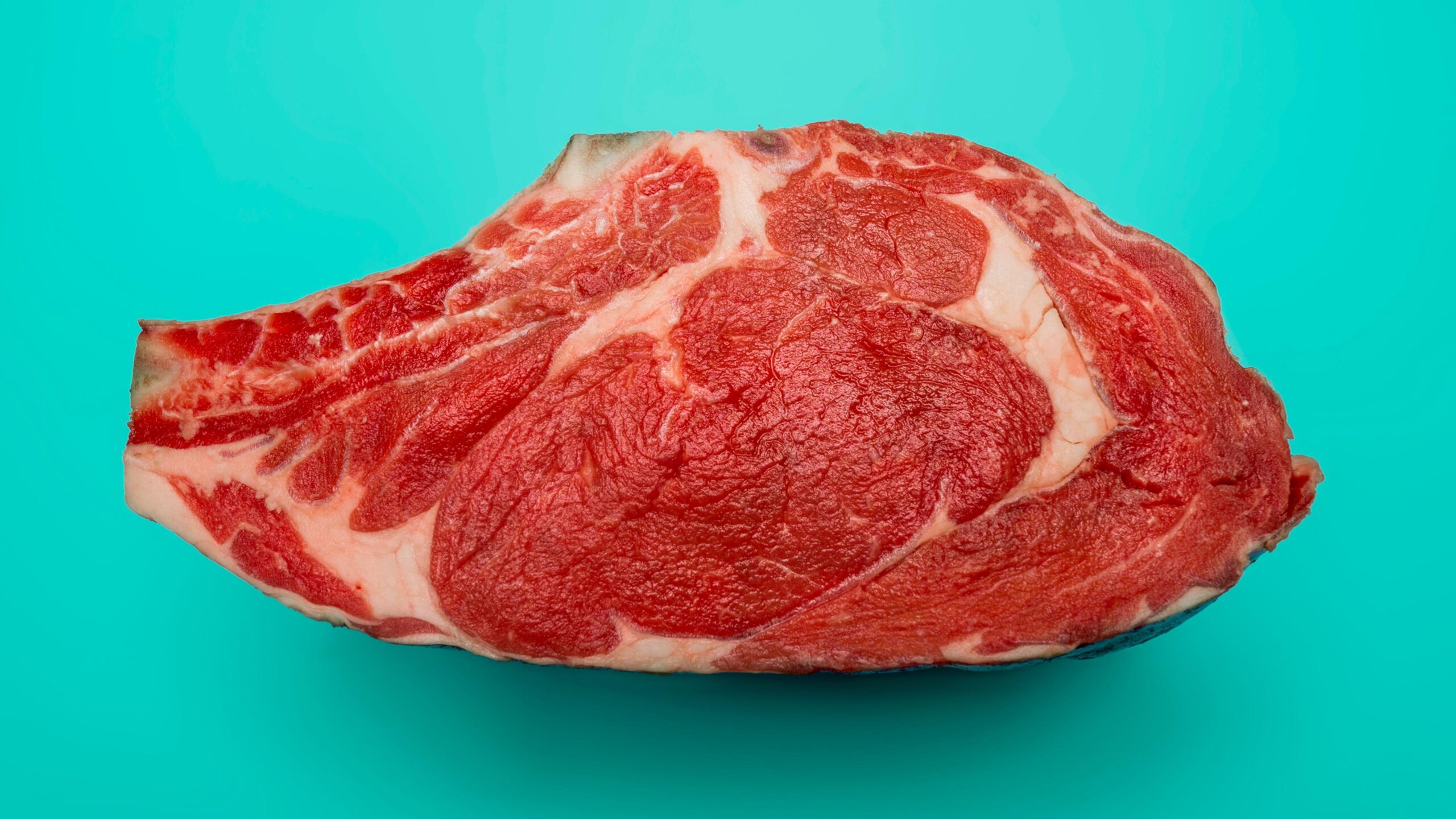
People likely have different protein needs
Despite some promising research on protein restriction, people shouldn’t start eating diets that are very low in protein, Lamming and other scientists of aging say.
“While we know that protein restriction extends lifespan in yeast, fruit flies, mice, and rats, that doesn’t necessarily mean it will do so in humans,” says Christopher D. Morrison, a professor at Louisiana State University’s Pennington Biomedical Research Center whose lab pioneered the discovery of a life-extending hormone known as FGF21 that is required by mice to respond to protein restriction. The hormone also increases in people eating a protein-limited diet.
Protein restriction studies in people have also been small in scale and short-term, Lamming says. He adds that more research is needed into how protein restriction might impact exercise and people of different ages and needs.
Matt Kaeberlein, a molecular biologist and longevity scientist, says there could also be some negative consequences of a diet that is very low in protein, such as poor immune function and lower bone density. He also points out that while the diets of lab animals in protein restriction studies can be extreme, the studies in people have involved more moderate diets. “We’re not talking about extreme protein restriction down into malnutrition territory,” he says.
Read the full article here
