

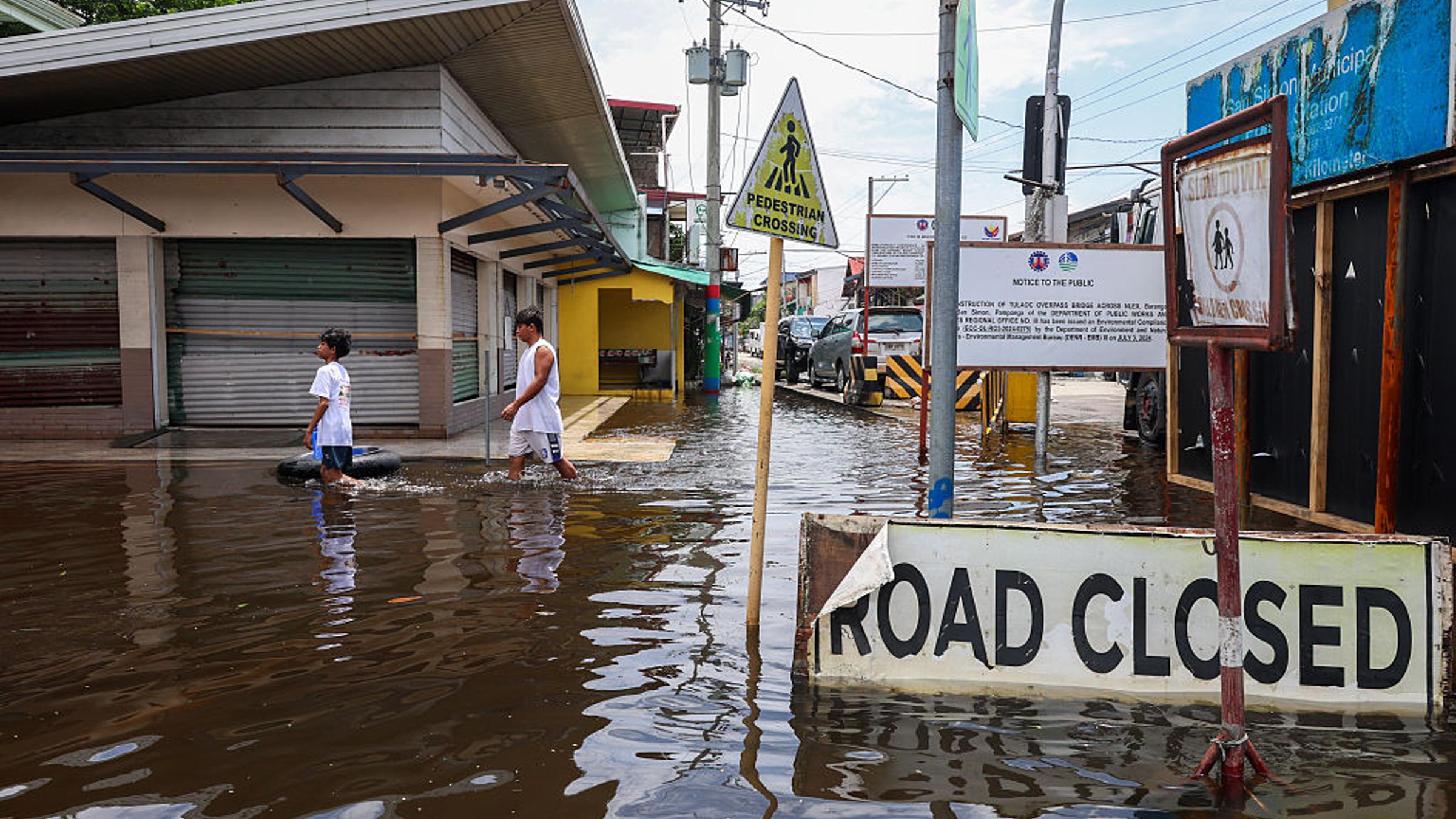
In other words, the potential effects of El Niño over the coming year are both local and specific to companies and their operations, and cumulative across the economy.
Unlike many phenomena in our climate-changed world, El Niño isn’t new or unfamiliar to most decision makers. Past cycles in the 1970s and 1990s have wrought enough damage that supply chain planners know to watch out. But this El Niño will inevitably be different.
For one, it’s happening against the backdrop of a world that has already warmed roughly 1.5°C since the Industrial Revolution. And, second, modelers have observed an especially significant difference between recent sea-surface temperatures and the historical averages, an indicator of an especially strong El Niño.
A typical El Niño cycle lasts less than a year, but the economic effects may extend far longer. An initial shock of crops destroyed by heavy rain, for example, would harm farm economies immediately while disrupting global supplies for several seasons. A report from the European Central Bank found that a strong El Niño could raise global food commodity prices by as much as 9% within 16 months of onset and last for years longer. Factory flooding wouldn’t just create immediate disaster relief challenges but take years to rebuild.
Read the full article here
