

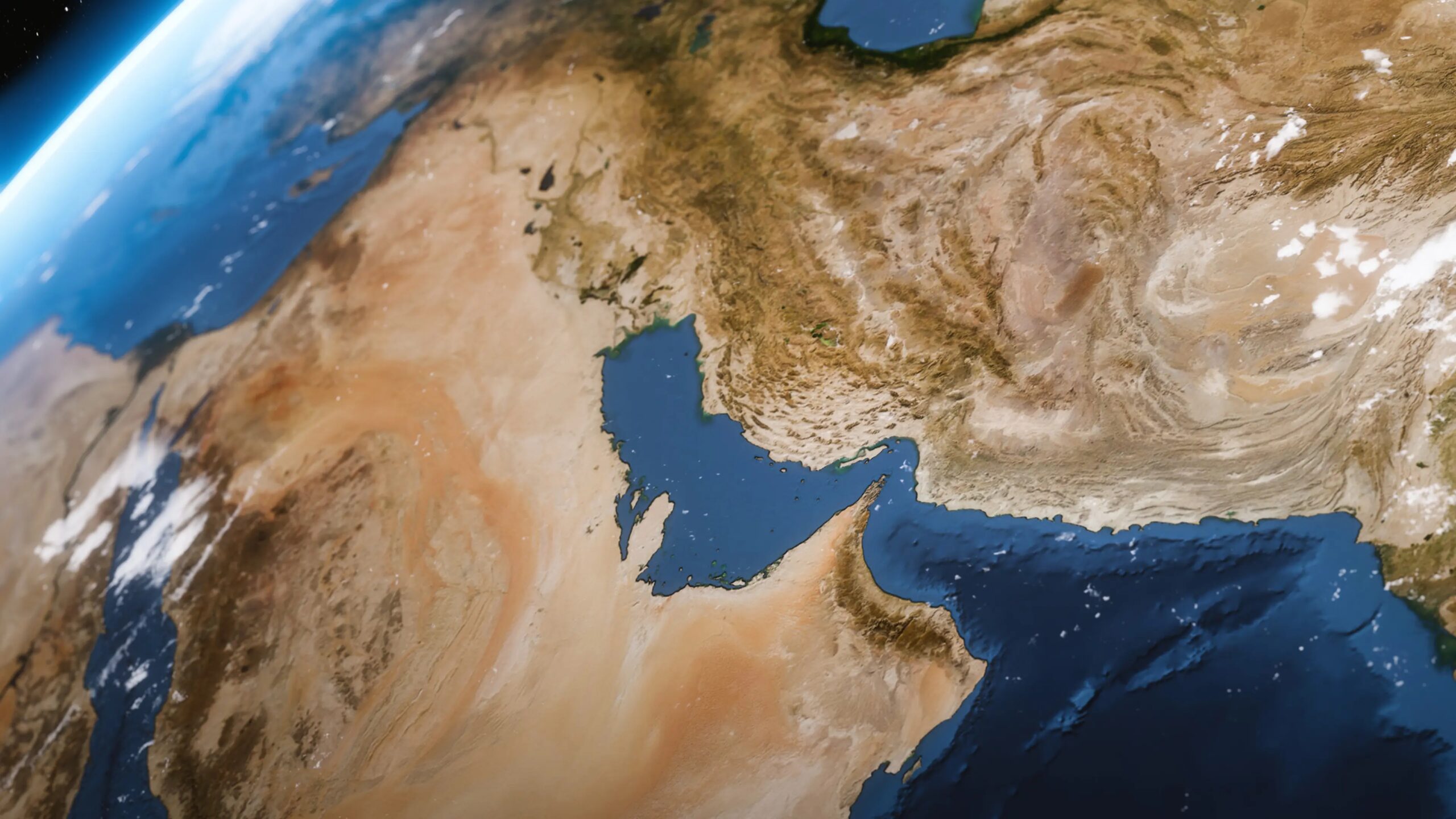
“The broader corridor linking the Red Sea to the Gulf of Oman and the Arabian Sea,” which includes the Strait of Hormuz, “carries a vast majority of the data traffic between Europe, Africa, and Asia,” Ahmed says.
And at just 21 nautical miles wide at its narrowest point, Ahmed says the Strait is a chokepoint.
Middle Eastern and Asian countries would be disproportionately affected by any disruptions, such as damage, to the cables.
Gulf states “would face severe operational bottlenecks,” Ahmed says. Countries with limited submarine cable diversity—Qatar, Bahrain, and Kuwait—would be the most immediately impacted, Tara Davenport, deputy director of the Asia-Pacific Centre for Environmental Law at the National University of Singapore, tells TIME.
Broadly speaking, the global network is resilient, with the ability to reroute traffic through alternative cables or terrestrial fiber paths when a segment is disrupted, Alan Mauldin, research director at TeleGeography,
Read the full article here
