

Amid soaring energy prices, these might sound like almost fantastical policy proposals, but they actually point to a shifting reality on the ground. A report from energy think tank Ember released alongside the summit showed a “sustained and structural decline” has begun in fossil fuel power generation in OECD members (a group of 38 wealthy countries). The report also highlighted last year’s small—but nonetheless noteworthy—decline in fossil-fuel powered electricity generation in India and China.
However real that shift may be, the biggest producers and consumers aren’t keen to talk about it in those terms. Indeed, the most crucial players were missing in Colombia. The world’s largest economies and emitters weren’t there, including the U.S., India, and China. Nor were major oil and gas producing nations like Russia and Saudi Arabia.
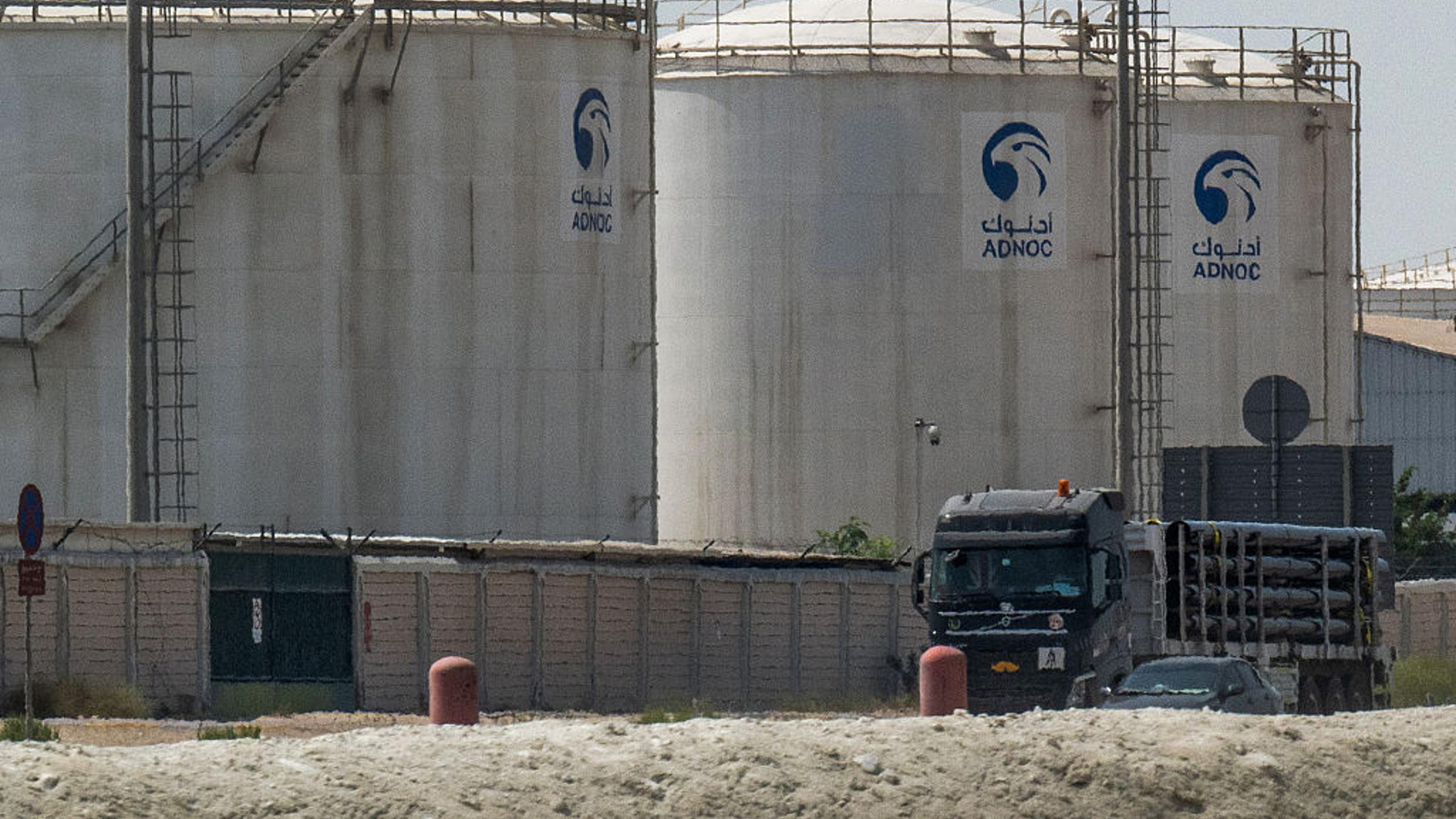
Nonetheless, the absent countries are grappling with the same set of facts. It’s worth viewing the United Arab Emirates’s decision to leave OPEC through this lens. OPEC has long shaped the global price for crude oil by requiring a collective sacrifice from its members: produce less to raise prices. This approach is designed to manage members’ long- and short-term interests. It doesn’t work as well, however, when you think the current level of demand for oil might be time-bound. Slowing your production for the collective good is, in effect, leaving money on the table.
Read the full article here
