


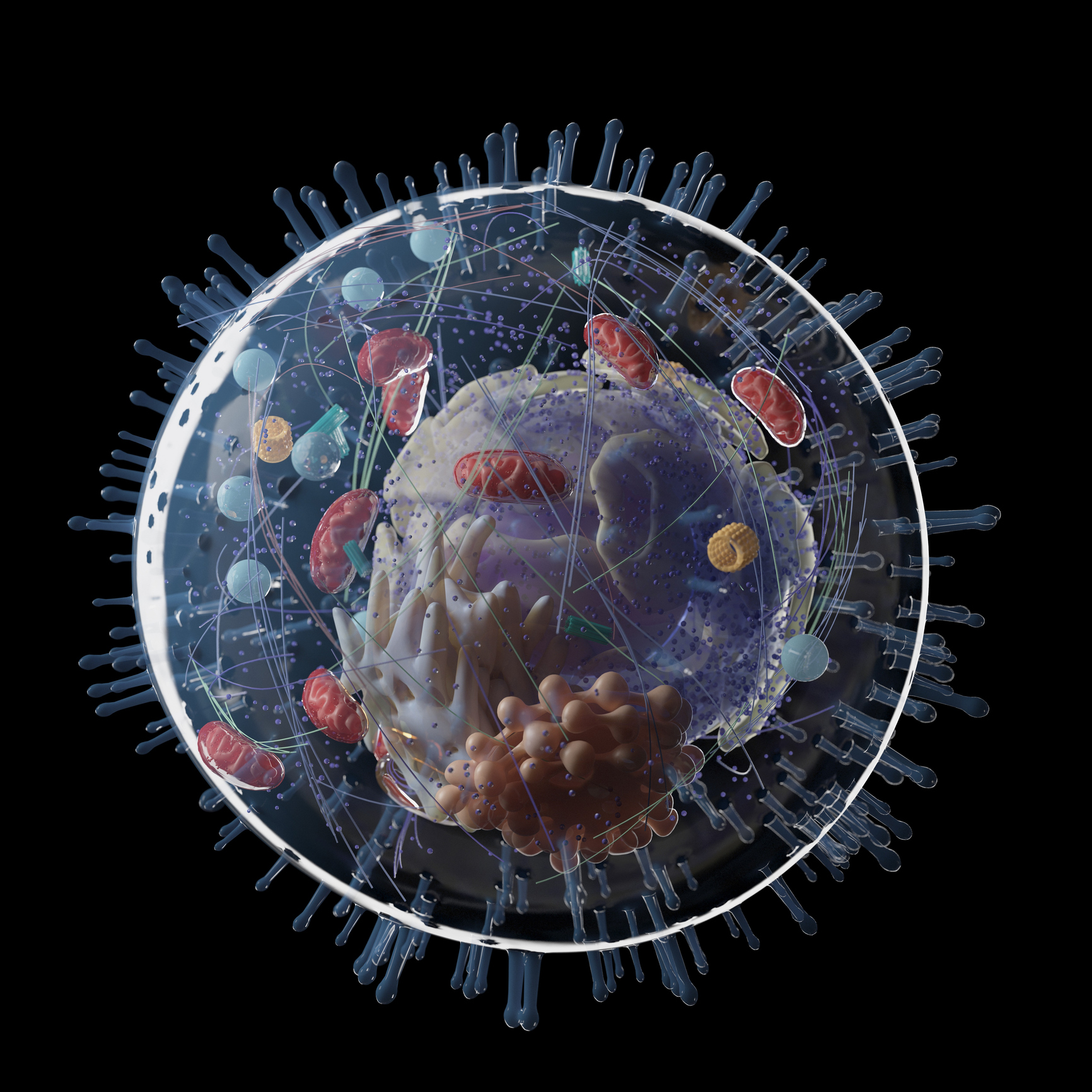
—Sciepro—Science Photo Library—Getty Images A single cell is a world unto itself, billions of interlocking molecules whose intricate patterns foretell health and disease. Biologists usually investigate how cells work in the lab. But in recent years, the idea of a “virtual cell” —a computer model so detailed, with such a close resemblance to the real thing, that scientists could run experiments on it instead of in the lab—has entered the conversation .
With a virtual cell, biologists imagine, you could switch off a gene involved in a disease, or add an experimental drug, and then watch how the cell changes. Such a model, which many observers…
Read the full article at TIME.COM