

My life split cleanly in two. Back at work a couple weeks later, I found myself trying to flatten my grief, absorb it and keep going. Not because anyone said to do so (many colleagues showed up to the funeral in an oversized white rental van). Because the culture around me didn’t have adequate language for how to grieve, or where to make space for loss.
Now that The Late Show is coming to an end, I keep thinking about how unusual it is that Colbert refused that expectation. He created moments on one of the most mainstream stages in American life where difficult human experiences weren’t packaged into something easier to sit with or made tidy. They stayed there, unresolved, in front of millions.
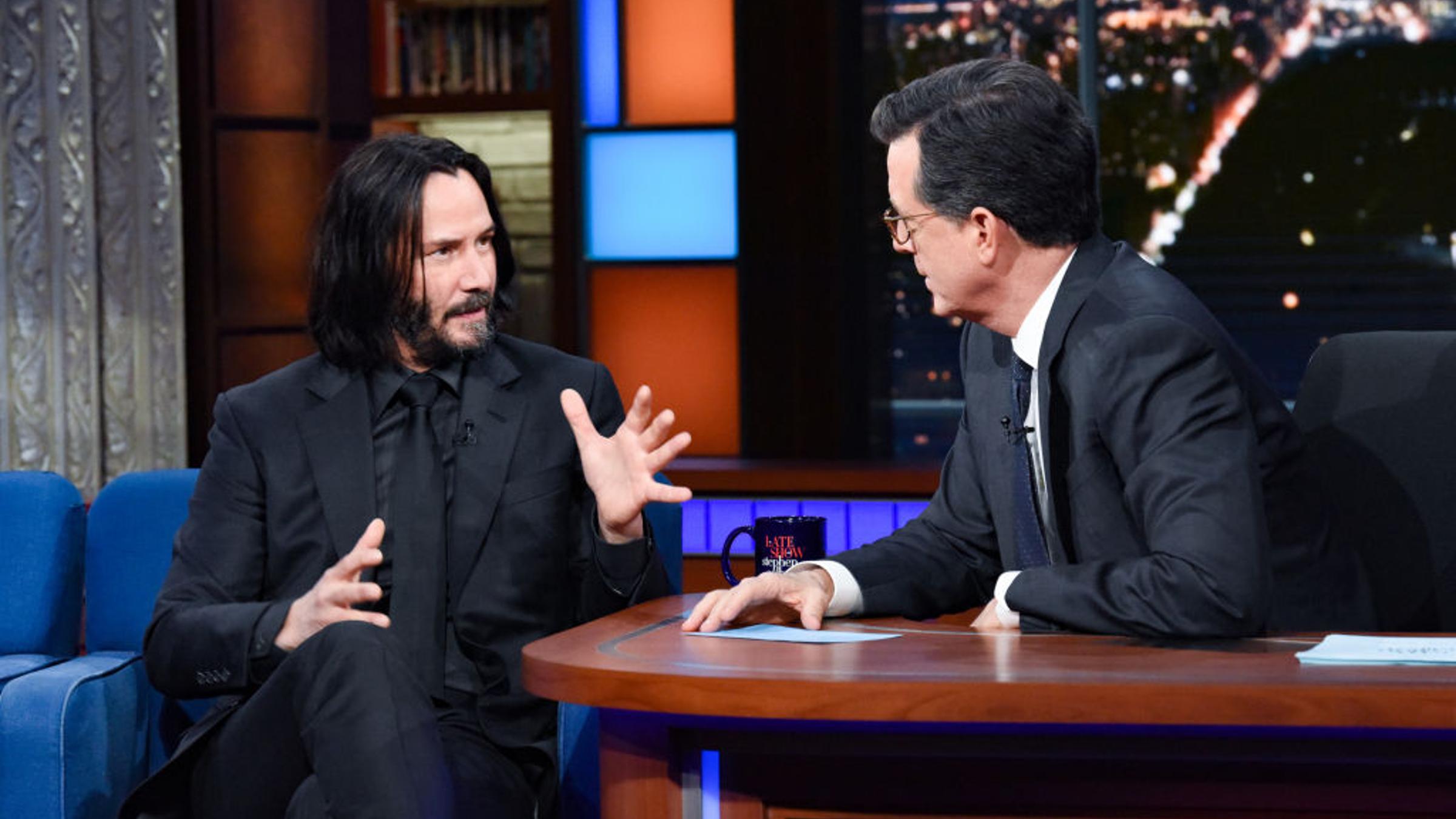
Take the viral interview with actor Andrew Garfield in 2021, who spoke plainly about missing his mother and wanting the grief to remain, because he regards it as all the unexpressed love he still has for her. Or one of Colbert’s many conversations with Anderson Cooper, reflecting on the deaths of Cooper’s parents with a clarity that didn’t rush toward closure. In 2019, Keanu Reeves responded simply to Colbert’s question in about what he believes happens when we die: that the people who love us will likely miss us very much. Colbert himself often returned to the loss of his father and brothers in a plane crash when he was a child, and his mother’s death. In 2024, Colbert payed tribute to his longtime assistant Amy Cole, a woman dear to many of us.
Read the full article here
