

Everyone has variation in their bowel movements from time to time. But when your digestion slows to fewer than three bowel movements per week and your stool is hard, dry, and difficult to pass, that’s constipation.
The good news is you can often get things moving again with some simple changes to your diet. Start by incorporating more of the best foods for constipation into your usual meals and snacks. Here are some of the most effective options.
Peas, Brussels sprouts, and other vegetables
Getting enough fiber is one of the most important steps you can take to relieve constipation through your diet. Both dietary fiber and fiber supplements have been shown to help. Adults need 25 to 34 grams of fiber per day, but most Americans don’t reach that goal.
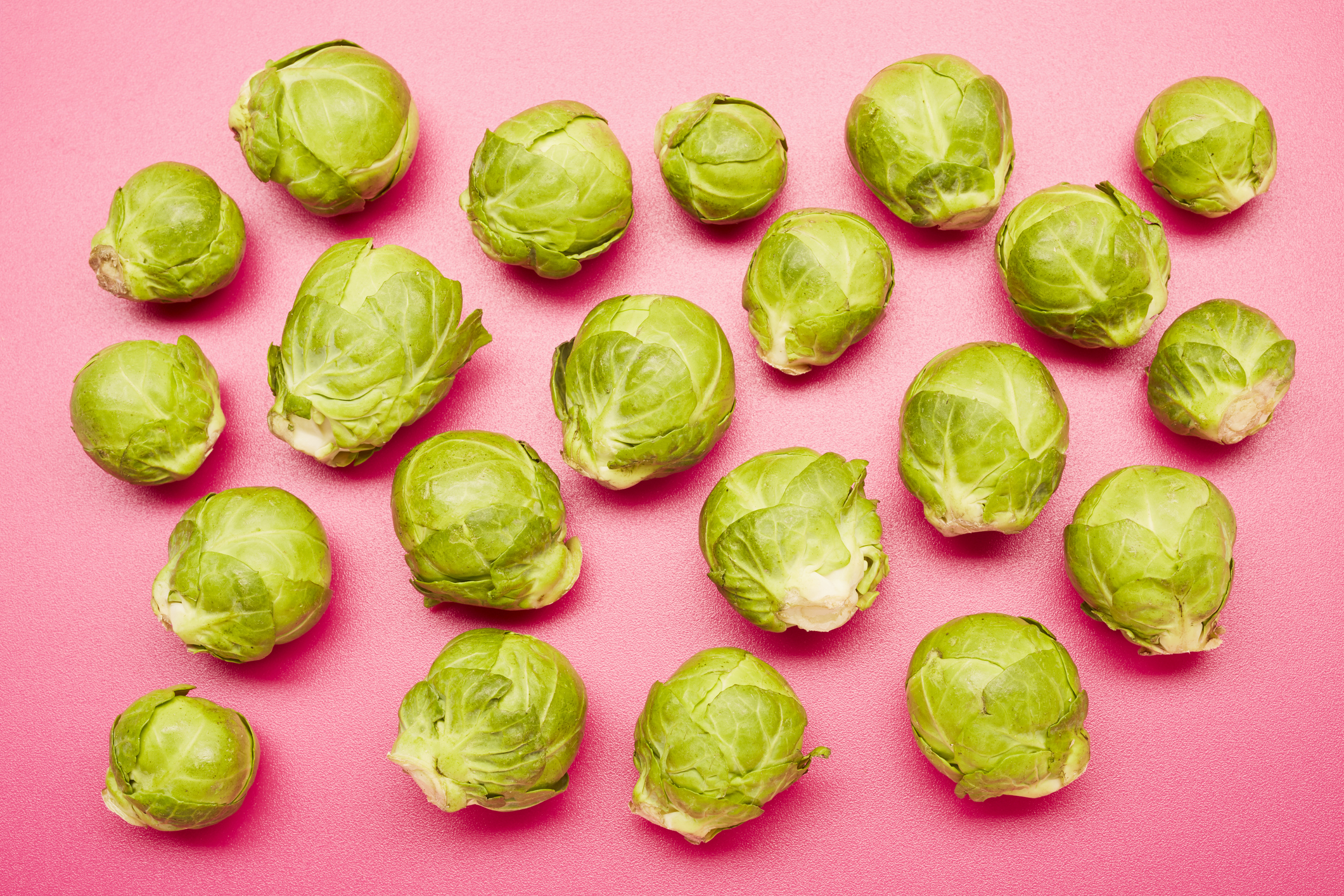
Eating more vegetables is a straightforward way to increase your fiber intake, says Dr. Trisha Pasricha, a physician-scientist at Beth Israel Deaconess Medical Center, assistant professor of medicine at Harvard Medical School, and author of the new book You’ve Been Pooping All Wrong: How to Make Your Bowel Movements a Joy. But certain picks pack more fiber than others. She recommends peas, which have 9.4 grams of fiber per cup, and Brussels sprouts, which have 6 grams per cup.
“High-fiber foods help with constipation by increasing the weight and water content of the stool,” adds Dr. Nicé Bertha Toriz, a gastroenterologist at MNGI Digestive Health and spokesperson for the American Gastroenterological Association. “The added weight helps the stool move faster through the colon, and the extra water makes the stool softer and easier to pass.” She recommends artichoke hearts, with nearly 5 grams of fiber per half-cup.
Beans and lentils
Beans and lentils are popular sources of plant-based protein, but they also pack plenty of fiber.
Pasricha suggests roasted chickpeas as a fiber-rich swap for a salty snack like pretzels or chips. “They’re crunchy, they can be a little salty, so they satisfy that craving, but they’re packed with fiber and overall a much healthier choice,” she says. A one-ounce serving has 5 grams of fiber.
Other good options include black beans, with 15 grams per cup; pinto beans, with 15.5 grams per cup; and lentils, with 13.5 grams per cup. Toriz also recommends edamame, which have 8 grams per cup.
Kiwis
Two small randomized controlled trials—funded by a company that sells kiwis— found that eating two kiwis a day can help people who are constipated have more bowel movements, comparable to the effects of taking a fiber supplement. “One [study] was for gold kiwis, and the other was for green kiwis, so eat whichever one you want,” Pasricha says. “And you don’t have to eat the peels, although you can.”
Two kiwis have 4.5 grams of fiber, but it might not only be the fiber that helps, she says. “We haven’t quite nailed down: Is it some other nutrient in there that’s acting on the gut or microbiome to help speed things up?” she says.
Toriz also recommends raspberries, with 9.75 grams of fiber per cup, and dried figs, with 15.7 grams per cup.
Dried plums
Yes, this is a more palatable way of saying prunes—but prunes and prune juice get a bad reputation as your grandmother’s favorite constipation remedy. “They are just incredibly effective and have been well-studied,” Pasricha says. Generally, studies have found eating five prunes in the morning and five prunes in the evening can improve chronic constipation and increase stool frequency and consistency. You can work up to that by starting with just five a day and seeing how you feel.
Together, those 10 daily prunes only add up to fewer than 6 grams of fiber each day. Like with kiwis, some experts hypothesize that something beyond just fiber helps prunes act on constipation.
Keep in mind that prunes tend to cause some bloating, Pasricha cautions. “Kiwis don’t cause [as much] bloating, but they relieve constipation just as well,” she says, according to another kiwi-company-funded study.
No matter which fiber-rich foods you prefer to add to your diet for constipation relief, ramp up slowly. Otherwise, you might feel bloated, gassy, or crampy. “Try to increase your fiber by about 5 grams every week until you reach 25 to 35 grams of fiber per day,” Toriz suggests.
Hot beverages
Plenty of people are familiar with the experience of having to poop right after drinking coffee. “Coffee can stimulate colon motility, which in turn helps with constipation,” Toriz says. But decaf coffee and plain warm water can also stimulate contractions in the colon that help you have a bowel movement to a lesser degree, Pasricha says.
This may not help if you’re already severely constipated. “You may need to do coffee plus something else to help soften that stool,” Pasricha says.
When to talk to a doctor about constipation
When go-to home remedies for constipation don’t help enough, your doctor might recommend a laxative, Toriz says. There are several types that all work slightly differently to relieve constipation, so it’s worth discussing your options with a health care provider.
And don’t delay if you’re concerned. “I think people have this idea that you have to wait for it to become a crisis before you talk to a doctor,” and that simply isn’t true, Pasricha says.
A doctor might also recommend better sleep hygiene, stress reduction, pelvic floor physical therapy, or prescription medications. “There are actually different types of constipation, and a gastroenterologist can help determine the underlying cause,” as well as the most appropriate course of treatment, Toriz says.
Your doctor will also ask you about potential red flags that something more serious may be going on, such as red or black stool or unintentional weight loss. These symptoms alongside constipation may warrant a colonoscopy, Toriz says.
Read the full article here
