

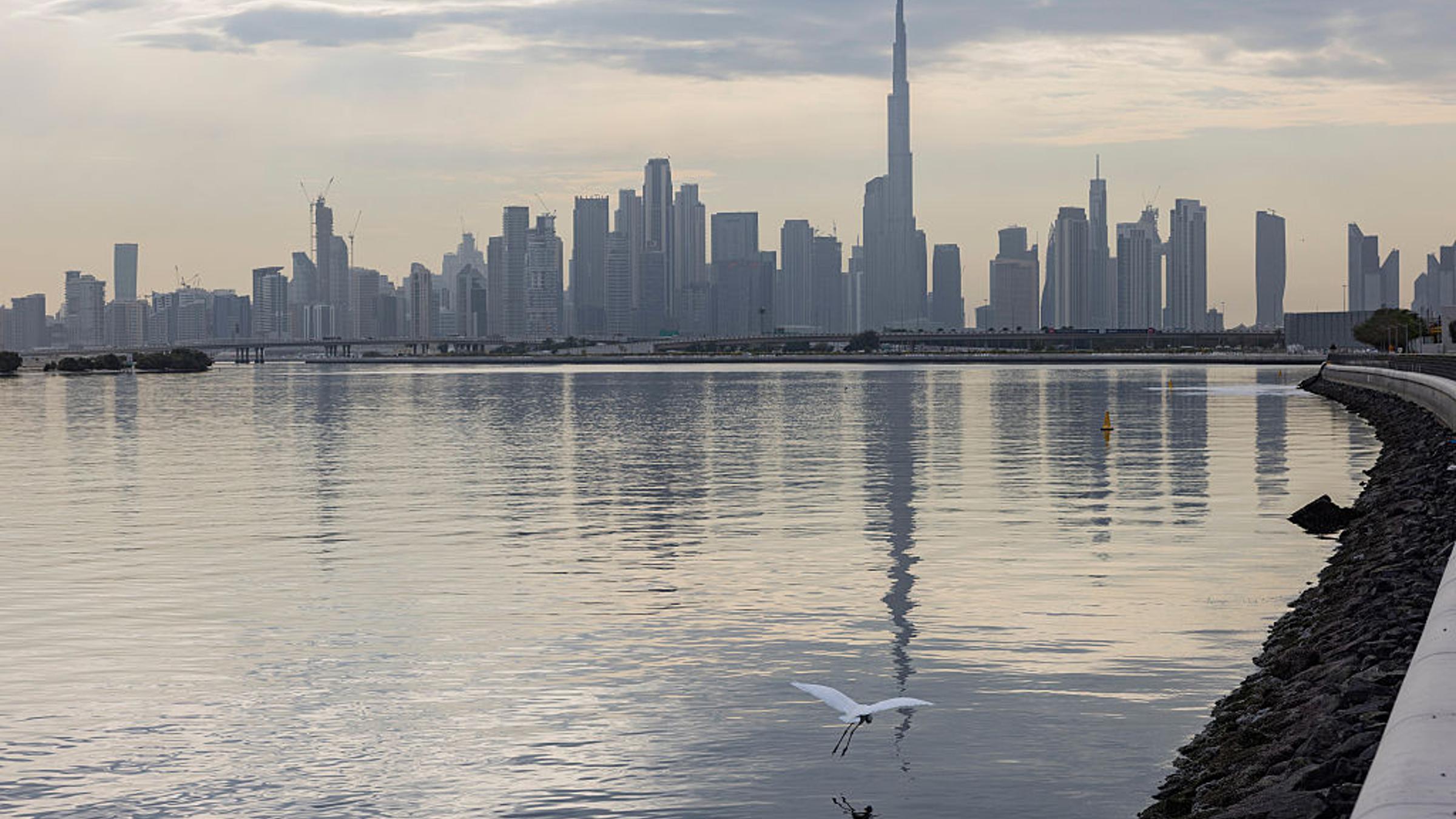
Over the decades, Dubai became one of the most heterogeneous places on the planet, a city with a population drawn from 200 nationalities. The backgrounds of those killed in Iranian strikes over the past month reflect that reality with heartbreaking precision. They are Emirati, Egyptian, Sudanese, Ethiopian, Filipino, Pakistani, Iranian, Indian, Bangladeshi, Sri Lankan, Azerbaijani, Yemeni, Ugandan, Eritrean, Lebanese, Afghan, Bahraini, Comorian, Turkish, Iraqi, Nepalese, Nigerian, Omani, Jordanian, Palestinian, Ghanaian, Indonesian, Swedish, Tunisian, Moroccan and Russian.
Despite the material and human costs of the war, Dubai’s diversity is a source of its strength. The city’s cultural scene is built on the idea that people from different traditions and disciplines, when brought together, create a cosmopolitan reality that no mono cultural city can replicate. This year, Art Dubai, the Middle East’s most established art fair, turns 20. Every year, artists and galleries from Tehran to Tokyo gather here, attracting collectors from across the globe. That galleries from the Global South now stand on equal footing with their counterparts from New York and London feels almost unremarkable today. Twenty years ago, it was virtually unimaginable. The same plurality animates the city’s culinary life. Across 1,588 square miles, more than 13,000 cafés and restaurants serve everything from Lebanese street food to Filipino home cooking, while 19 Michelin-starred establishments occupy the same civic space.
Read the full article here
