

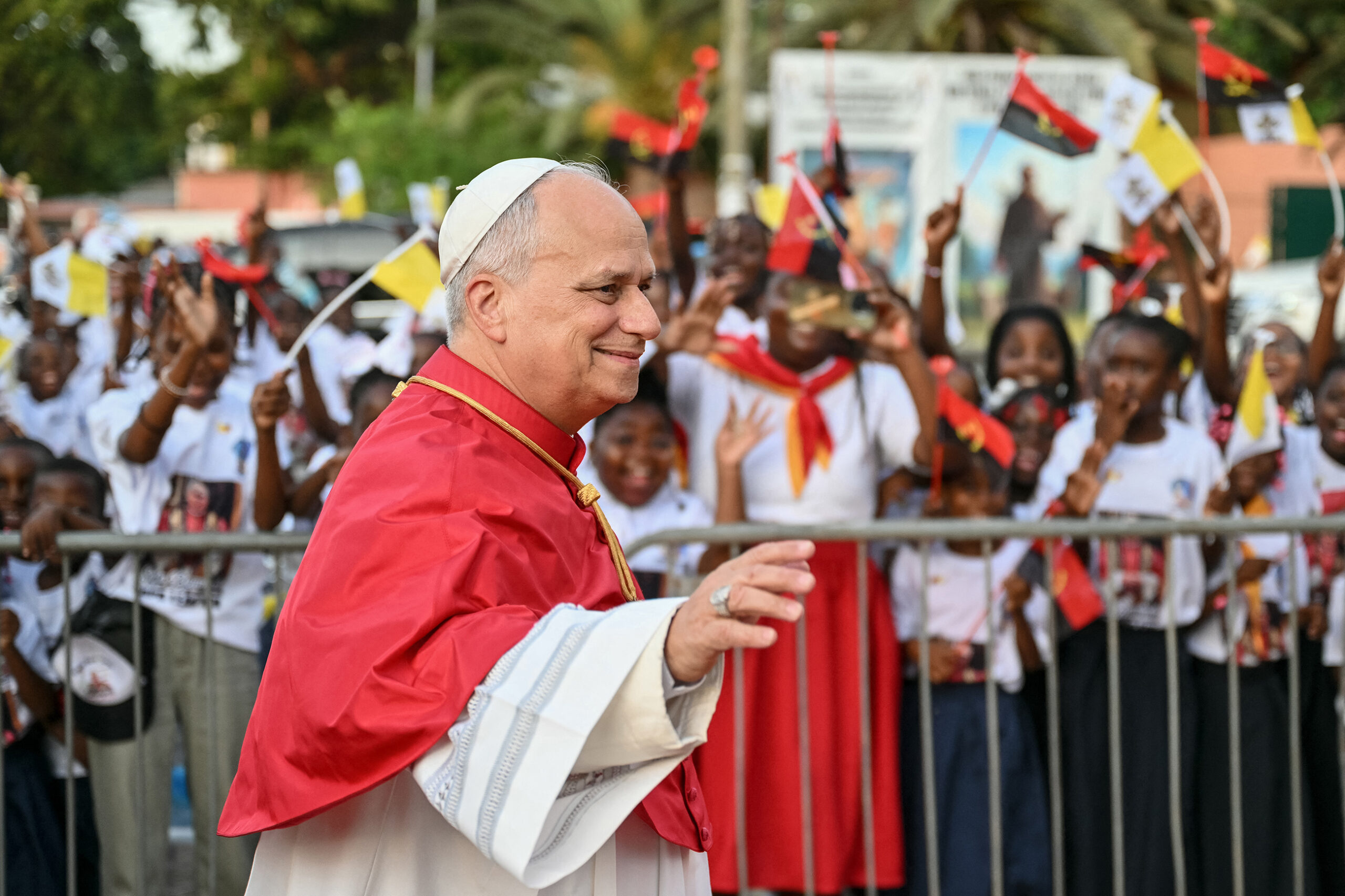
He arrived in Chulucanas at a very difficult time in Peru’s history, when the terrorist organization Shining Path was in the ascendant, and at one point, quite a few missionaries left because of the dangers. Do you know why he decided to stay?
There were two terrorist groups that were very active at the time. The Shining Path was, of course, the more notorious and violent one. But they faced threats from the MRTA as well. The Augustinians discussed leaving, but the bishop there at the time, John McNabb, really guided them in the decision to stay, saying, “No, we’re missionaries. We come to serve these people, we can’t just abandon them in a moment of crisis.” He told me he didn’t judge anybody who decided to leave, but they felt it was their job to stay.
Was he influenced by liberation theology?
It would be hard not to be influenced by it. This was something the church there was really debating, especially in the years when he arrived–it was really just starting to gain steam. So he would have had to read everything and tried to understand what was going on theologically. They were in probably the poorest region of Peru, so this theology of the poor, he wanted to understand it. When he talks about matters of justice, there are elements of liberation theology there. The way he explained it to me was that the heart of it is trying to look through the eyes of the poor and understand the world and relate to God through the eyes of the poor. How do these people see the world? How do they relate to God, and what is that relationship? He is very clear in distinguishing where that deviates from some of the misrepresentations, and how that’s been used to justify violence.
Read the full article here
