

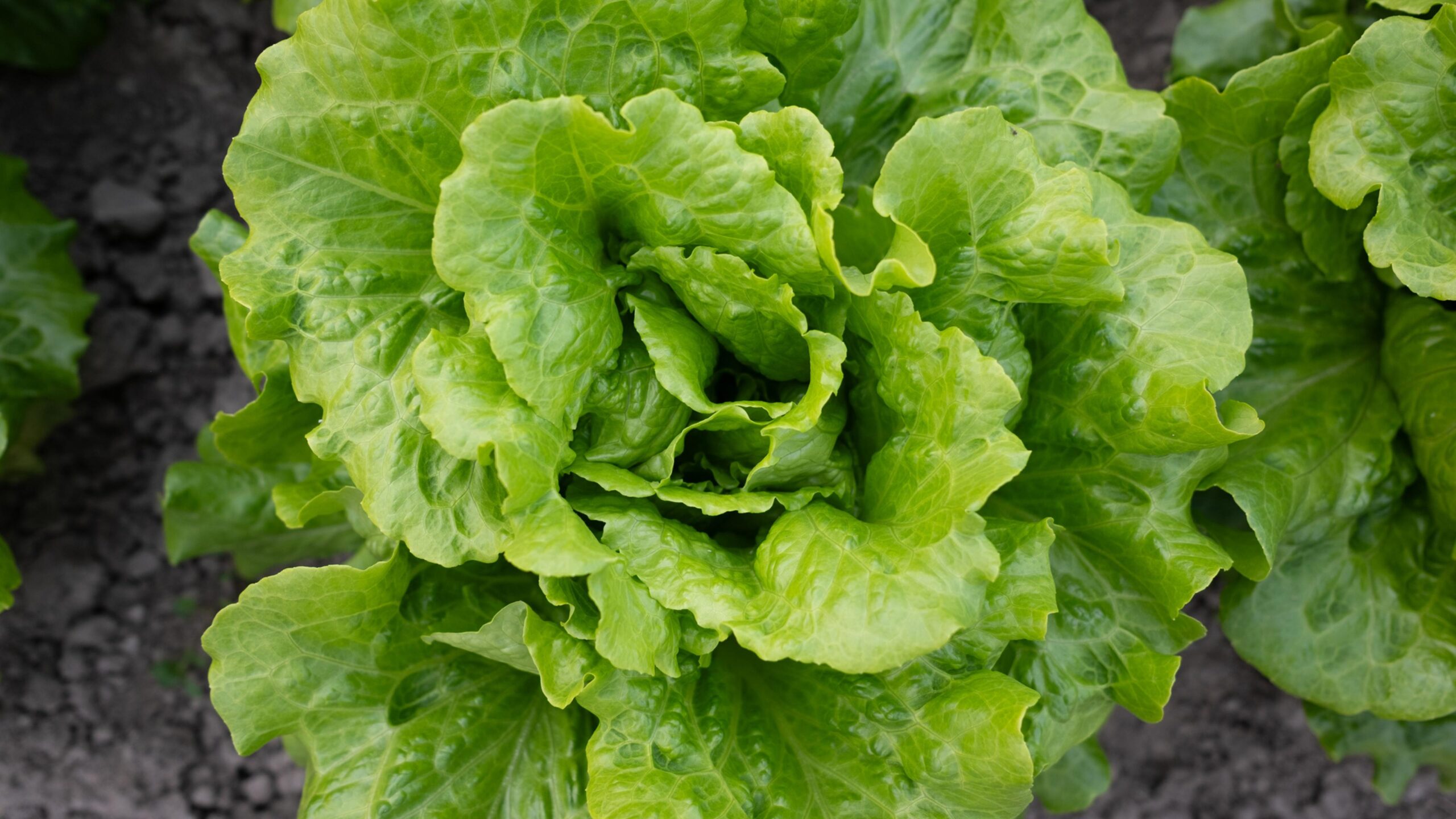
Kowalcyk has reached a similar conclusion. She also buys whole heads of lettuce, washes them thoroughly under running water, and discards any bruised or damaged outer leaves before eating the rest. Broken leaves are more vulnerable because “that’s how the bacteria gets inside,” she says.
They don’t take “pre-washed” at face value
For some experts, even “pre-washed” isn’t enough. Gerardo Lopez, a food safety professor at the University of Arizona, still rinses bagged greens before serving them. “Just because something says pre-washed doesn’t mean [it’s safe],” he says, noting there’s still potential for cross-contamination. At home, he rinses leafy greens thoroughly under running water in a colander before serving them.
They pay attention to where their produce comes from
The outbreak has reinforced a lesson many food-safety experts learned long ago: where produce is grown matters.
Darin Detwiler, an associate teaching professor of food policy at Northeastern University and author of Food Safety: Past, Present, and Predictions, pays close attention to where his produce comes from. At farmers markets, he asks two questions before buying anything: Where was this grown? And how recently was it harvested?
Read the full article here
