

The closure hit Asia the hardest, since 80% of Persian Gulf oil flowed in that direction, and because the continent, as well as the developing world, is struggling with an energy crisis. Across Asia, various governments told people to work from home, rationed fuel, and prioritized which class of customers could receive the limited supplies available. Businesses are shuttered because they can’t get energy, or it’s too expensive. And some farmers can’t plant this season because they don’t have diesel fuel for their equipment or sufficient fertilizer (one-third of the world’s traded fertilizer passes through the Strait). The impact also reached Europe, which has depended on the Gulf for jet fuel. As a result, European airlines raised air fares to cover the high cost of jet fuel and canceled flights.
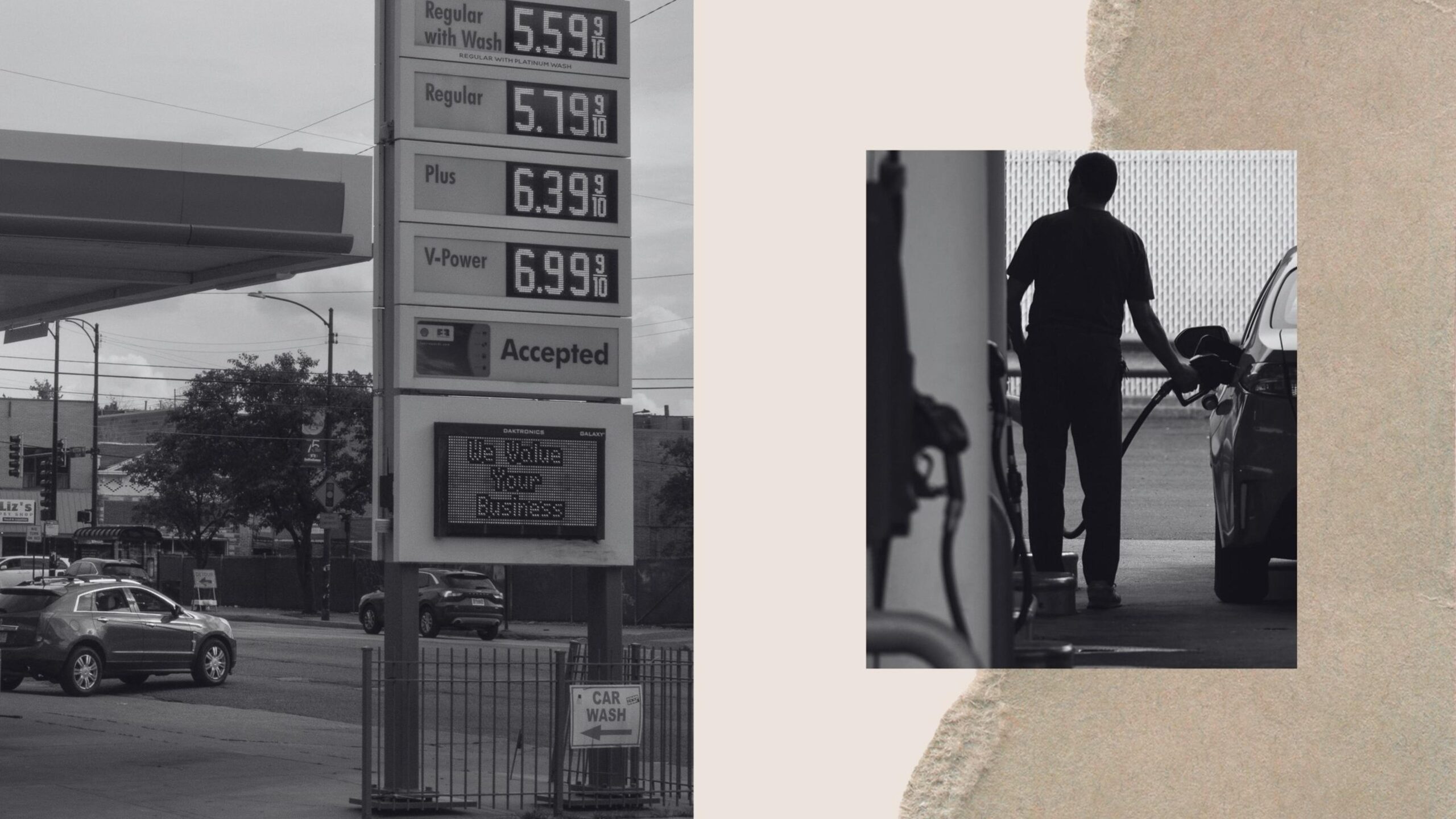
The United States, with its abundant resources, faced no physical shortage. But the oil market is global, and high oil prices feed back into U.S. markets as customers around the world compete for barrels to offset the loss from the Gulf. In this way, gas prices reveal that domestic policies can’t insulate America from the rest of the world—no matter how hard it might try.
Read the full article here
