

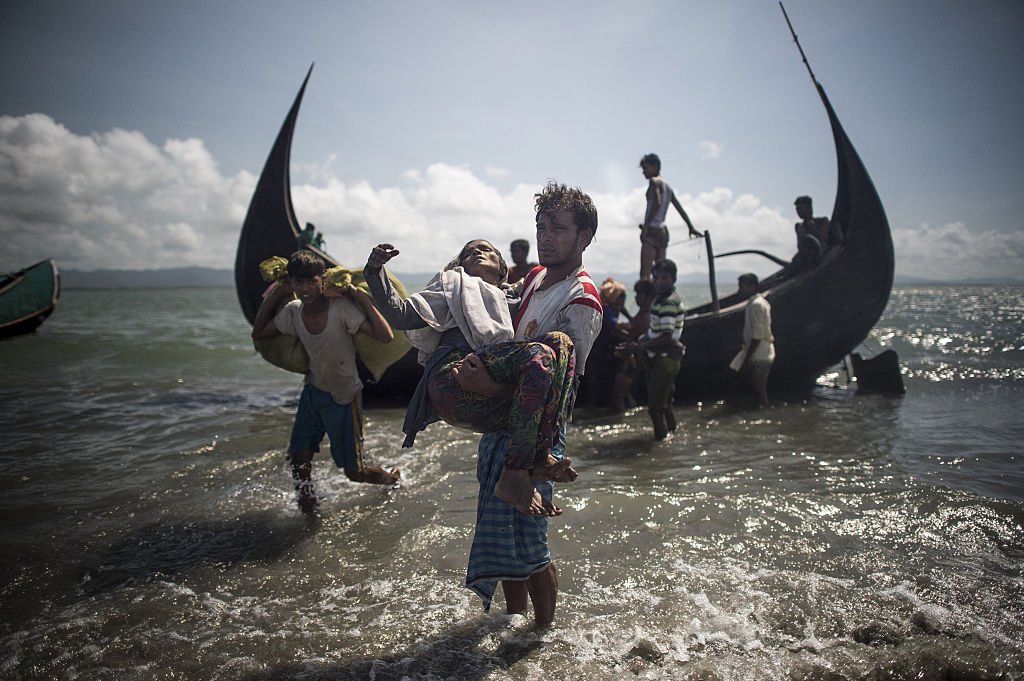
A Bangladeshi man helps Rohingya refugees ashore after they cross the Naf River by boat from Myanmar into Bangladesh on September 30, 2017. —Fred Dufor-AFP-Getty Images In early 2019, I was working for Human Rights Watch. A few months earlier, a UN fact-finding mission on Myanmar had concluded that the evidence of atrocities against the Rohingya called for investigating and prosecuting Myanmar military leaders for genocide, crimes against humanity, and war crimes.
At the time, it felt impossibly distant. I approached diplomats in New York and officials in national capitals with an idea: What if a country which is party to the Genocide…
Read the full article at TIME.COM