

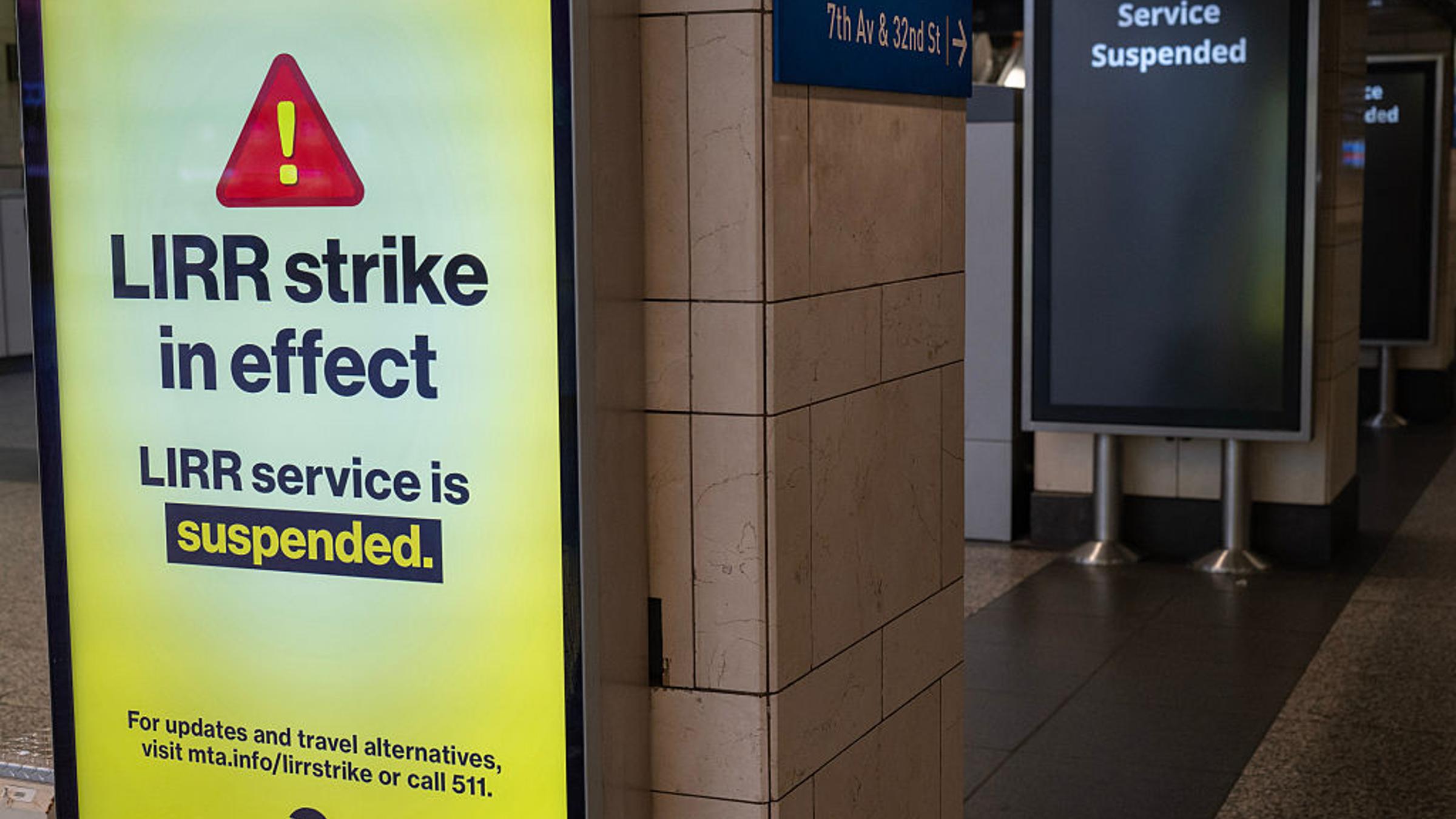
Who is affected by the strikes?
According to a 2025 report, the LIRR carried some 82 million passengers last year. During the weekdays, the average ridership was more than 250,000; on Saturdays, it was 137,000, and on Sundays, it was 112,000.
Hochul said in her Sunday press conference that thousands of people depending on the LIRR will be affected by the strike. Forcing these passengers to find alternative modes of transport, including driving cars, could potentially worsen traffic on New York’s major highways. She urged that by Monday, regular commuters could hopefully work from home to mitigate the impact of the strike.
The MTA said on its website that it will provide limited shuttle bus service on weekdays for essential workers and those who cannot work from home. Buses will run during peak hours— toward Manhattan from 4:30 a.m. to 9 a.m. and to Long Island from 3 to 7 p.m.—to or from six locations on Long Island to transfer points in Queens. The MTA added that riders in Nassau County should consider the NICE Bus to connect to or from points in Queens and access busier subway stations or transport hubs. But the plan does not cover all 126 stations in the LIRR’s 11 lines, leaving commutes still logistically difficult.
Read the full article here
