

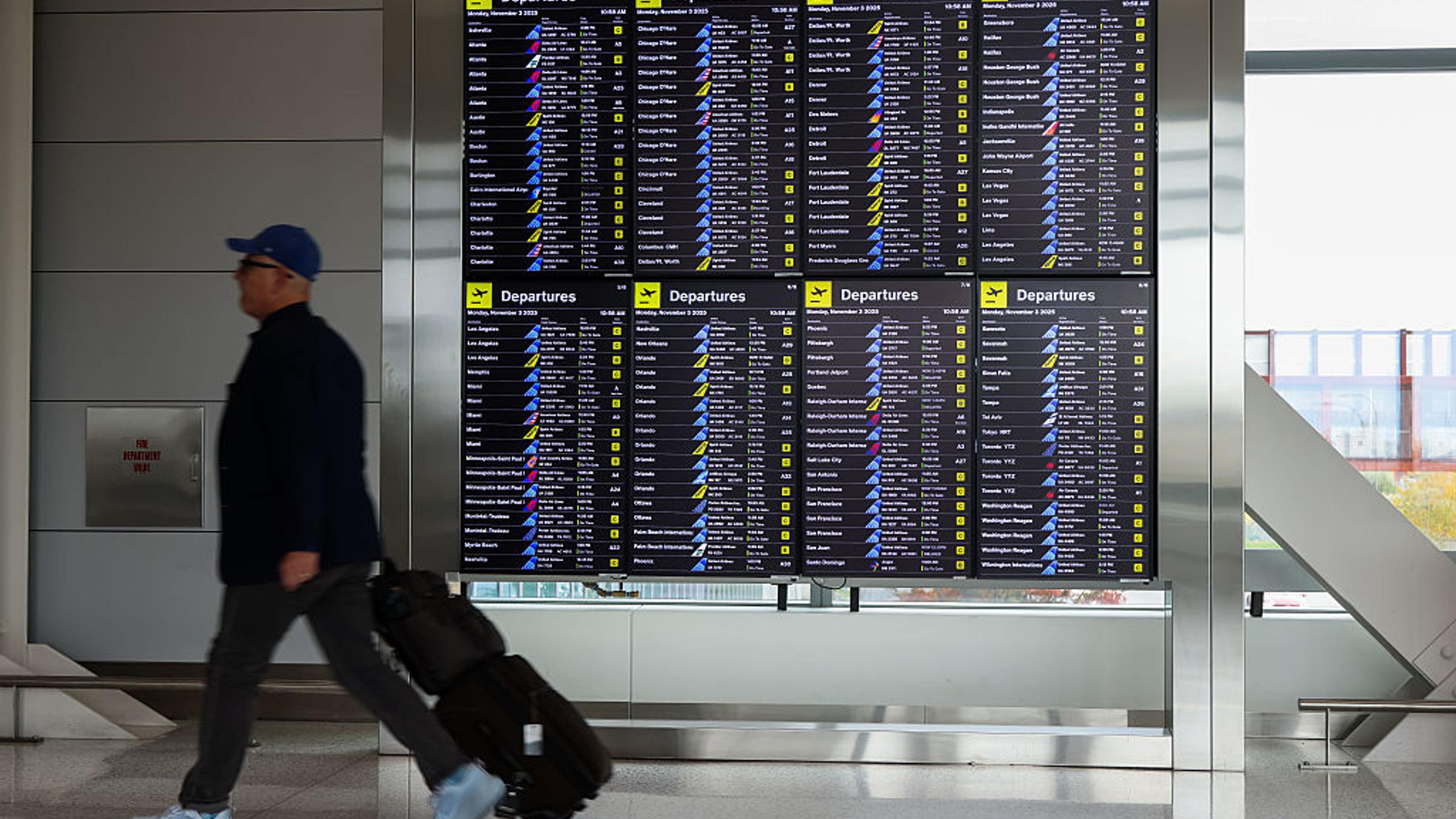
Airlines are raising prices for passengers and even canceling flights as they grapple with the jet fuel crisis sparked by the war in Iran.
Airlines worldwide are looking to offset the rising costs of jet fuel—one of the most expensive operating costs for carriers—by increasing costs for travelers, including baggage and ticket prices. The average airfare for an international trip from a U.S. point of origin has increased by about 37% since the war began; on April 13, it was $1,064, while it was just $776 on Feb. 23, according to the travel search engine Kayak. U.S. domestic airfare has increased too, from $335 on Feb. 23 to $358 on April 13, according to Kayak.
And in addition to raising prices for passengers, some airlines have started canceling flights because of the financial strain. Here’s what you should do if your flight gets canceled.
Contact the airline’s customer service
If you get a notification from your airline that your flight has been canceled, contact customer service right away. Once you get through, you should be able to get a refund or rebook your flight without any additional cost to you.
Consider your options
The rules regarding what an airline has to offer you if your flight is canceled differ depending on the country, so make sure you’re aware of the options available to you. For instance, in the U.S., if your airline cancels your flight and you decide not to rebook it, then the airline has to refund you for the cost of your ticket.
Try to prepare as much as possible for any disruptions
So far, travelers seem to be getting notice days or weeks ahead of time if their flights are canceled because of the jet fuel crisis, so you will likely have time to prepare or rebook your travel if your flight is impacted by these disruptions. While, ultimately, there’s nothing you can do to avoid a potential flight cancellation, there are some steps you can take to put yourself in the best situation to handle any issues that might arise.
Make sure you stay up-to-date on the status of your flight; opt in to receive notifications about any changes to your trip and make sure to check the status of your flight with your airline before you leave for the airport. Travel experts also recommend booking your trip directly with your airline if you can, since that will simplify dealing with any changes that may come up as opposed to having to navigate a third-party travel site.
Read the full article here
