

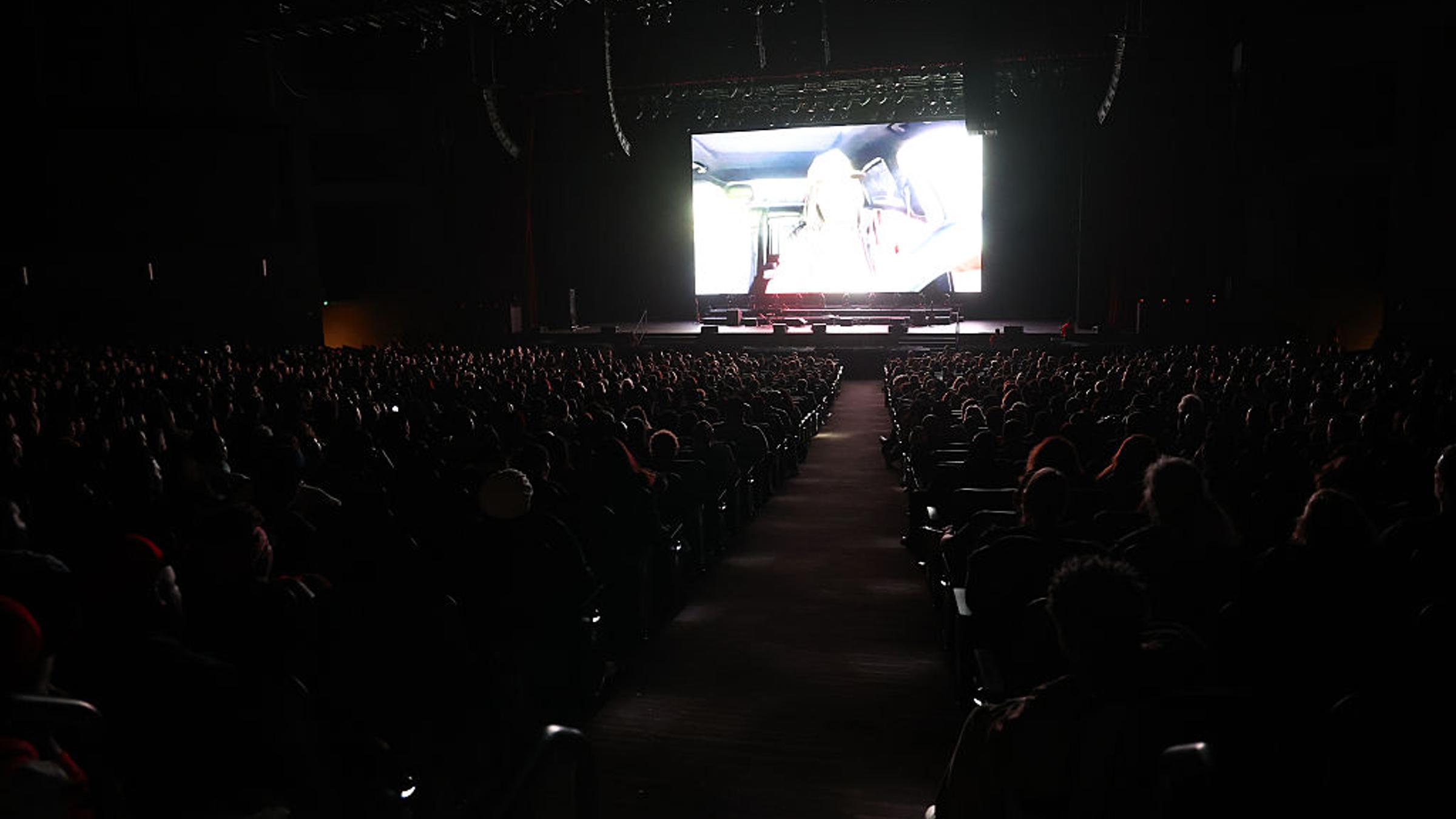
“Literally the next day, we bought 20 iPhones and started handing them out to whoever would take them on both sides of the law,” says Soenen. They had to ask more than 200 people—including “gang members, police officers, kids, priests, prostitutes, fellow officers”—to find the 20 people who would turn their cameras on family rituals as well as fraught street corners, jokes, grief, and the constant calculus of survival that never fits into 20 seconds on the evening news. Critics said they would never see those phones again; instead, the filmmakers created 200 hours of footage over three years during which there were over 100 street murders. Then, in the 12 months after they screened the finished film for their own neighborhood, gang-related homicides declined dramatically.
Plenty of outsiders have pointed cameras at Watts. What made this different is that Soenen gave up creative control. After reviewing hours of footage, he concluded the story could not ethically belong to him. He offered to secure editors, technology, and resources only if the people on screen took credit as the filmmakers and retained ownership of the narrative. It took months for members of rival gangs, law enforcement, and families affected by the violence to sit together and shape a 90-minute film. In those edit rooms, people who might otherwise meet only in police reports were arguing over cuts, interrogating one another’s footage, deciding what the world should see—and they filmed that too.
Read the full article here
