

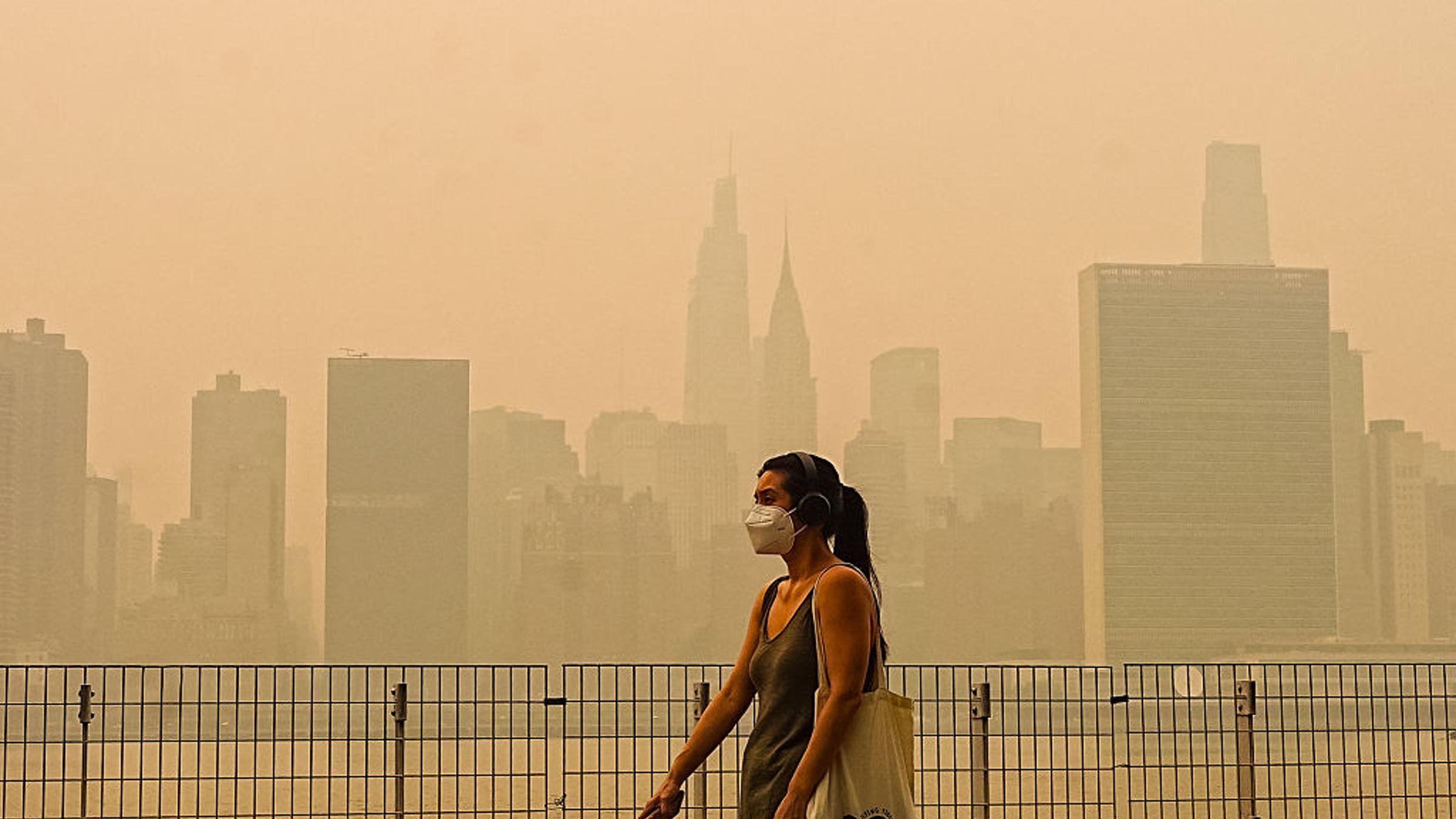
This is a dangerous cycle with implications for investors and businesses across the economy. Sovereign debt flows through to the rest of the economy. Too much of it leads to higher interest rates for businesses, lower private investment, and lower growth. One disaster, even a record one, can be absorbed. The danger is when they all happen at once, and then continue to happen. A never-ending string of extreme events threatens economic havoc in a way one event doesn’t.
Thus far, capital markets more broadly have been slow to respond to this threat for a variety of reasons. Climate risk is difficult to model and plays out over long time-periods. Meanwhile, investors discount future risks and prioritize quick returns. And, importantly, they generally expect that events will be non-correlated and therefore easier to absorb.
This view may change. The Bank of England warned last December of the possibility of a climate Minsky moment, where assets reprice rapidly due to climate shock. It’s also possible that repricing happens gradually over time. In any event, the cumulative effect of concurrent disasters should not be taken lightly. Markets often ignore risks when they feel isolated, or idiosyncratic, but once they are understood as systemic they are priced.
Read the full article here
