

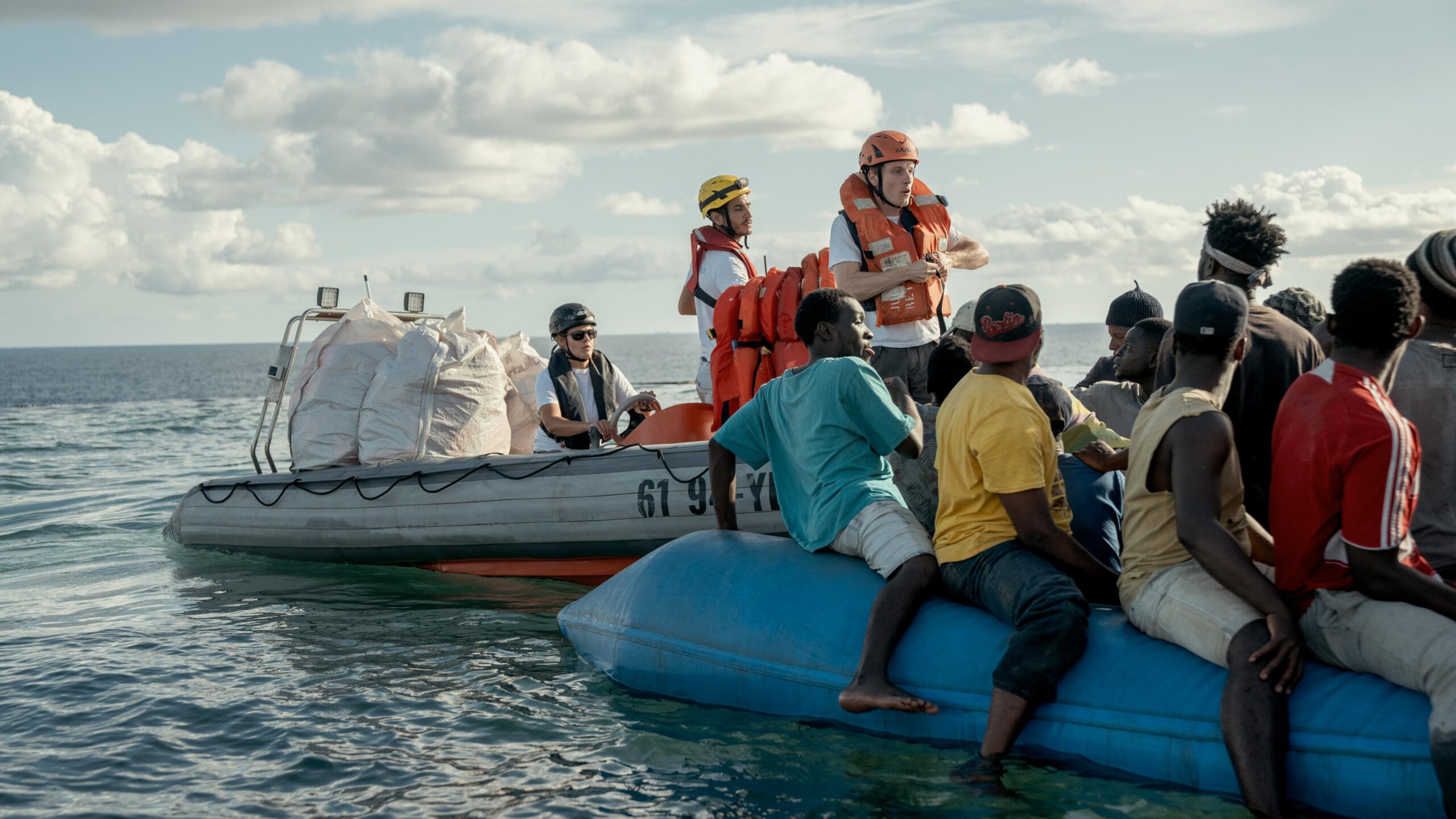
Volunteers regularly treated dehydration, hypothermia, fuel burns caused by leaking gasoline mixed with seawater, circulatory collapse, near-drowning incidents, aspiration injuries, and pregnancy-related emergencies.
For a relatively small vessel, the Iuventa became one of the most active civilian rescue ships operating in the Central Mediterranean.
Rescue work became a political target
The organization’s activities unfolded during an increasingly contentious political debate over migration in Europe. Jugend Rettet openly acknowledged that its work conflicted with policies designed to discourage irregular crossings.
On its official website, the organization states: “We never hid what we were doing. Our aim was simple: to make the crossing less deadly. If that made a smuggler’s job marginally easier, and the border guard’s job of violent exclusion marginally harder, then so be it.”
According to Jugend Rettet, accusations that NGOs were collaborating with smugglers became part of a broader campaign to restrict migration routes into Europe, involving state institutions, sections of the media, private security contractors, and anti-immigration political groups.
Read the full article here
