

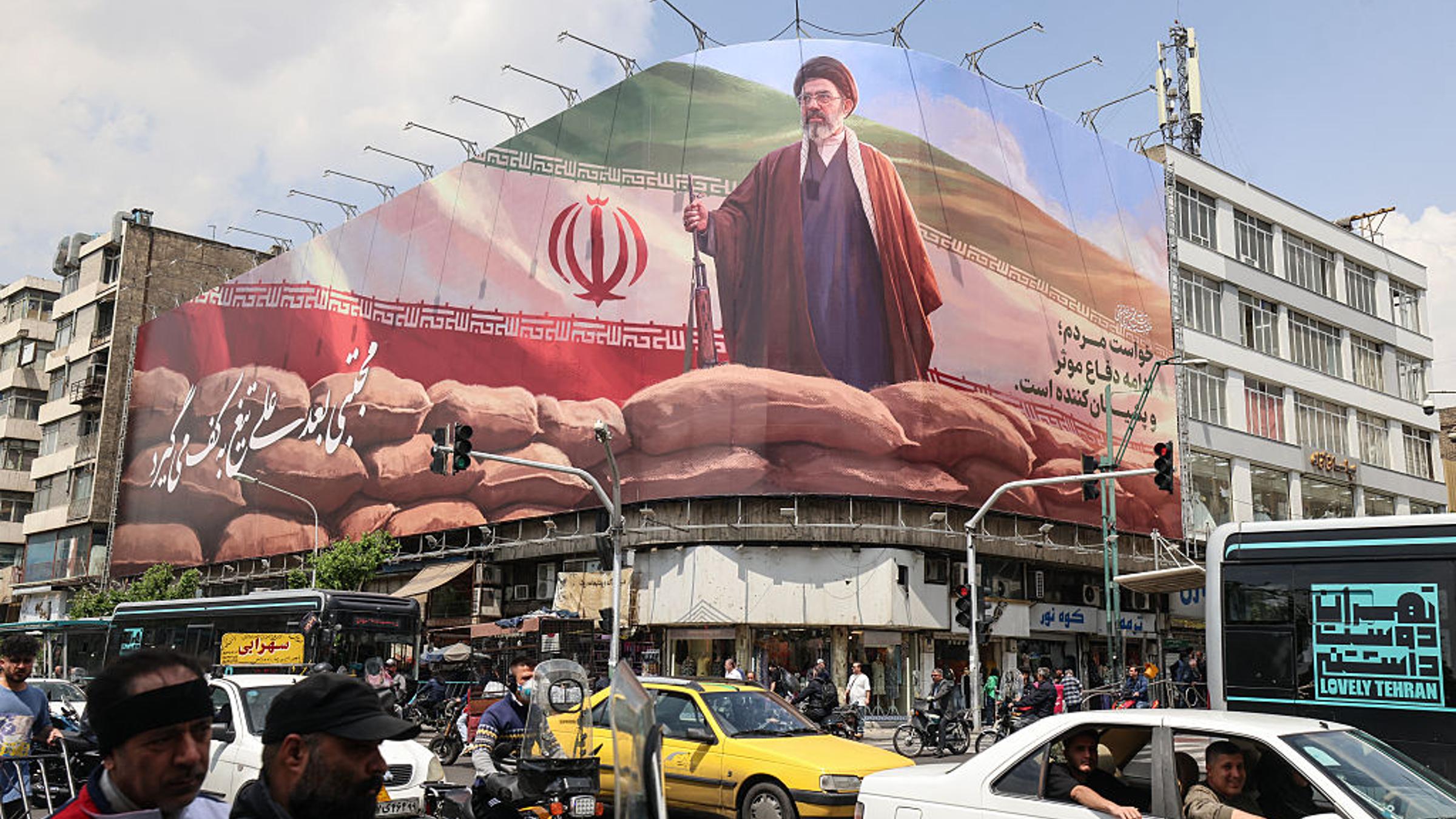
That dynamic narrowed Iran’s room for maneuver over Hormuz, and external factors compounded the problem. Trump’s style of coercive diplomacy made any Iranian flexibility harder to sustain politically, because it turned even limited movement into proof, in his telling, that pressure was working. Every public declaration of American success, every suggestion that Iran could be pushed further—on sanctions, naval restrictions, or enriched uranium—raised the domestic cost for Tehran of appearing accommodating without a tangible reciprocal gesture in return. In that sense, the reversal over Hormuz was less a sign of institutional disarray than of mounting constraint.
Iran is not fractured along a civilian-military fault line. What it is navigating is a post‑Khamenei transition in which the old order resists displacement, the new one is not yet fully consolidated, and the Supreme Leader appears to function less as an undisputed final arbiter than as a participant in a broader security‑led consensus. That may change if Mojtaba Khamenei eventually consolidates his authority. For now, the system is operating less as a hierarchy organized around a single dominant figure and more as a hardline coalition trying to manage war, diplomacy, and internal competition simultaneously.
Read the full article here
