

“Every single food company that checks out this protein says, ‘We are in love with it, we want to use it, and we want a lot of it,’” Komarnytsky says, “and this is where the problems come in.”
Why Rubisco is hard to find, even though it’s so abundant
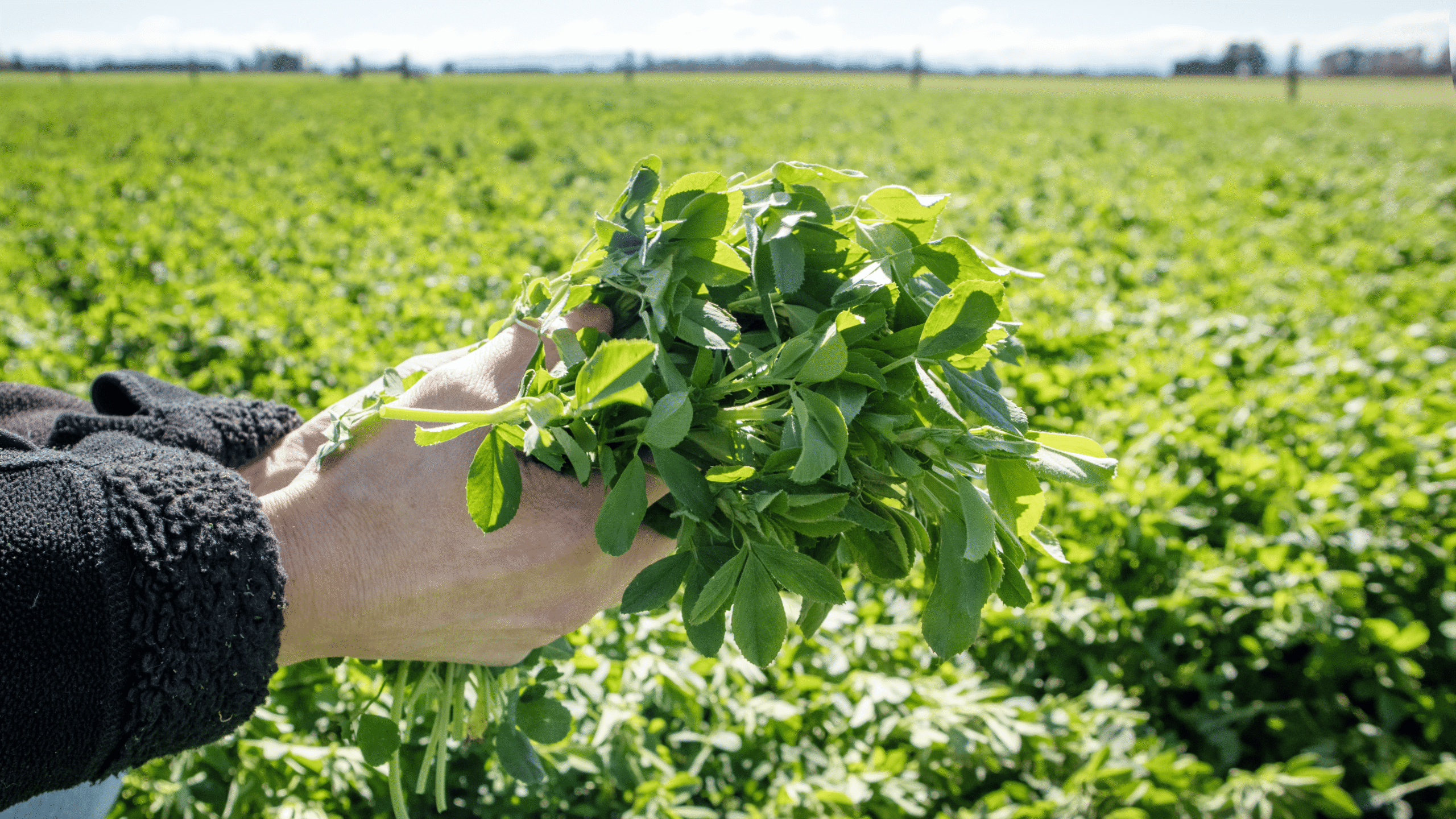
Rubisco is the main protein in leaves, but it only makes up about 3% of the leaf’s content. By comparison, beans and soy are about 80% protein, says Grant Pearce, a senior lecturer at the University of Canterbury in New Zealand who studies protein chemistry. You have to harvest a lot of leaves to get enough rubisco to make a protein product.
Growing and farming a lot of plants may not be a problem in itself, but it also means dealing with a lot of liquid and pulp waste once you harvest the rubisco. What’s more, getting the rubisco out of the leaves can be a challenge. The protein is hidden inside the plant cell “very well,” says Komarnytsky, so extraction is difficult. You have to break the cell wall and the chloroplast membrane, and each step brings additional costs. Eventually, it becomes more expensive to process rubisco than other proteins, and companies lose interest, he says.
Read the full article here
